

Packing for a trip to Bali usually involves curate-worthy resort wear, swimwear, and a list of beach clubs to visit. However, many travelers overlook how drastically the tropical environment can affect their skin. Bali’s unique combination of intense UV exposure, ambient humidity, salty ocean breezes, and constant transition between hot outdoors and air-conditioned interiors creates a challenging environment for your skin barrier.
Whether you are lounging along the cliffs of Uluwatu, trekking through the lush greenery of Ubud, or enjoying the lively nightlife in Seminyak, maintaining a clear, healthy, and radiant complexion requires a tailored approach. Here is a comprehensive guide to keeping your skin glowing and protected throughout your tropical getaway.
Understanding the Tropical Impact on Your Skin
Tropical climates act as a double-edged sword for skin health. On one hand, high humidity can boost natural moisture levels and give your skin a natural sheen. On the other hand, elevated temperatures trigger increased sebum production and sweat, which can trap dead skin cells, sunscreen residue, and environmental pollutants inside your pores.
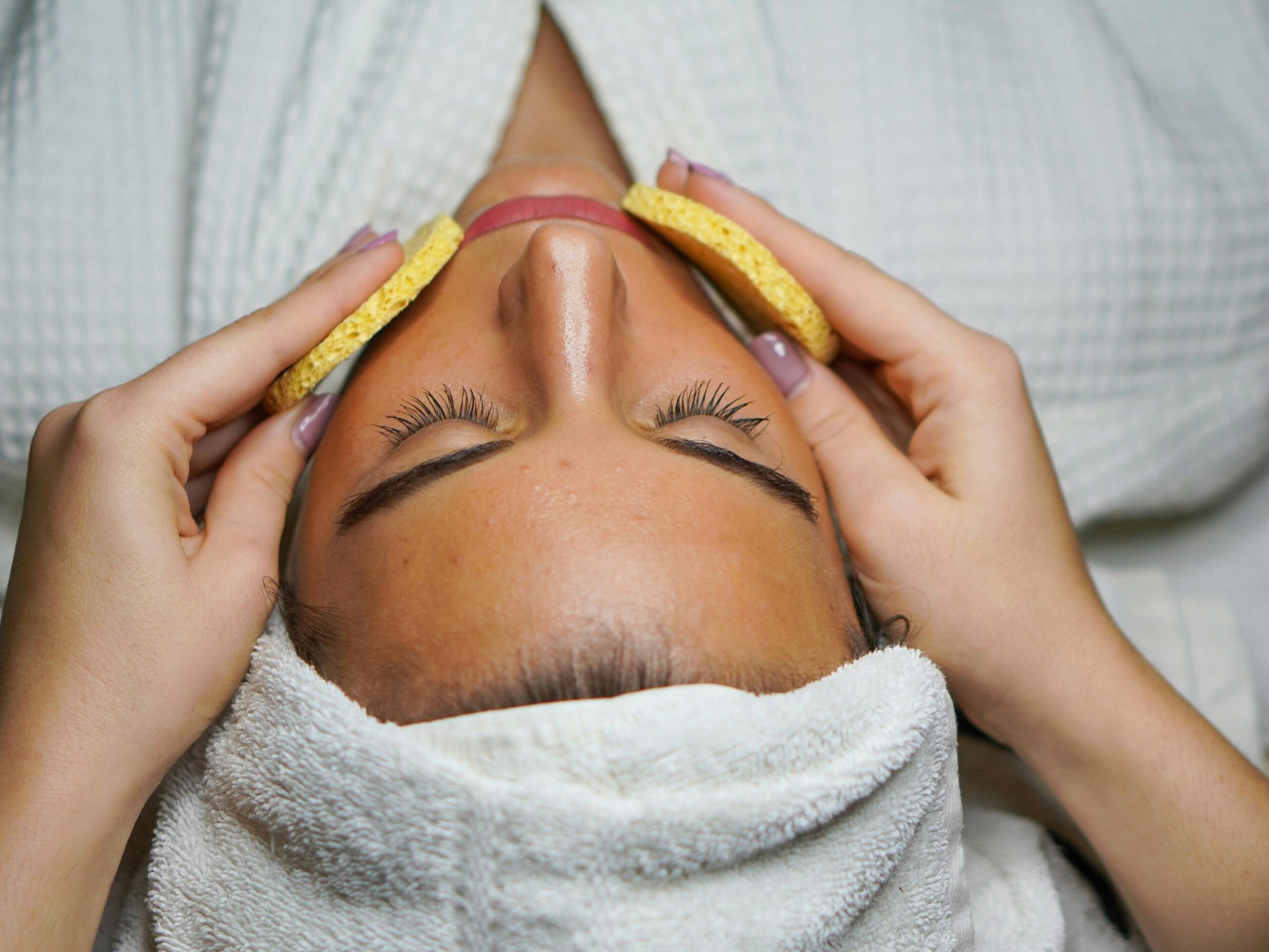
Furthermore, Bali’s proximity to the equator means the UV index frequently reaches extreme levels, accelerating photoaging, hyperpigmentation, and dehydration. Besides maintaining a consistent skincare routine, many travelers choose to schedule a facial treatment before or after their Bali holiday.
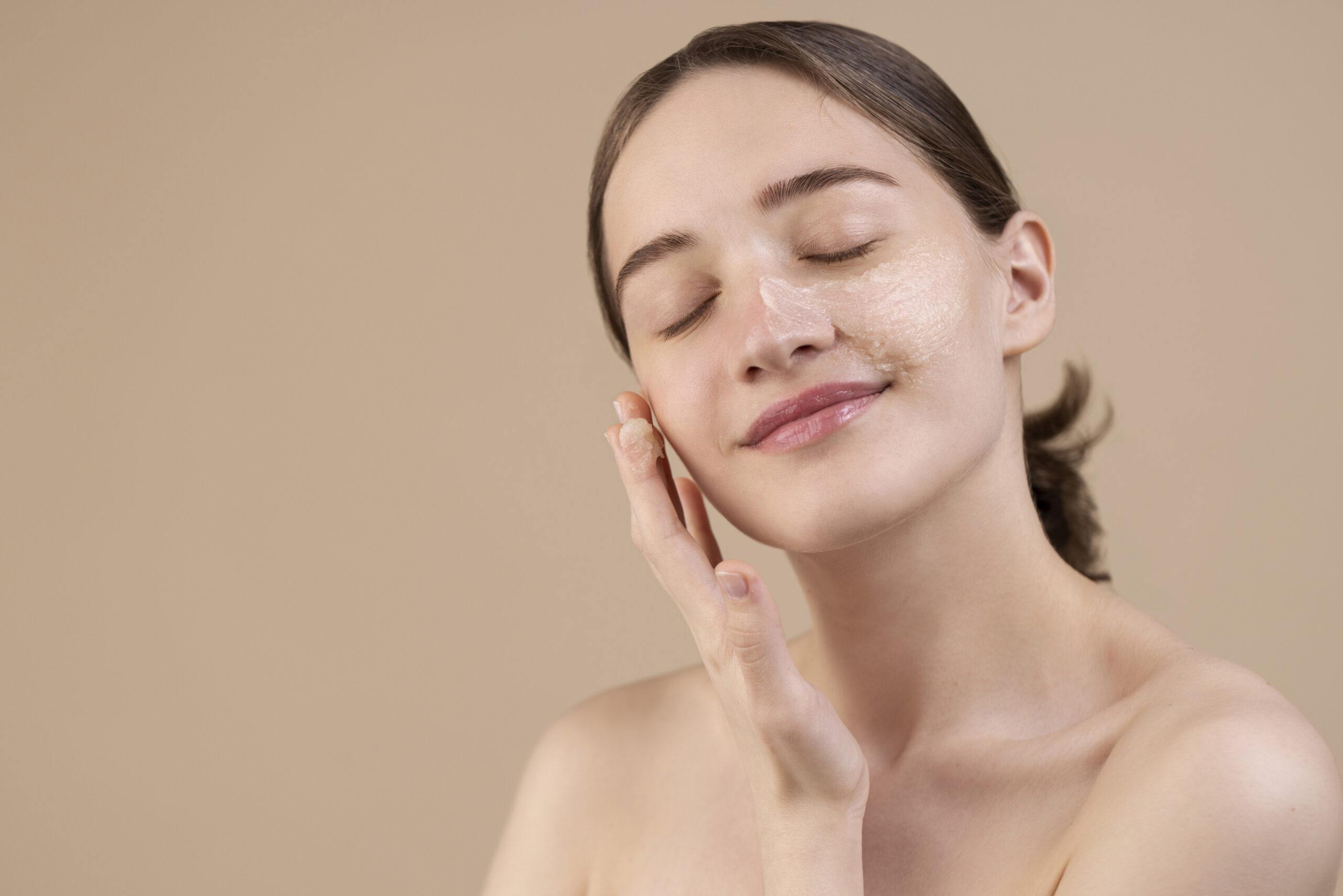
A professional facial treatment can help deeply cleanse pores, replenish hydration, and keep the skin looking refreshed, making it an excellent complement to your daily skincare regimen.
Common Tropical Skin Concerns
- Clogged Pores and Breakouts: Humidity combined with heavy sunscreens often leads to congested skin and unexpected blemishes.
- Dehydration: Long flights, excessive sun exposure, and air conditioning strip essential moisture from the epidermis.
- Sun Damage: Intense ultraviolet rays increase the risk of sunburn, dark spots, and premature fine lines.
Daily Skincare Essentials for Your Island Itinerary
To adapt your daily routine for tropical weather, the rule of thumb is simple: simplify and layer light. Heavy creams that work well in cooler or drier climates can feel suffocating under the tropical heat.
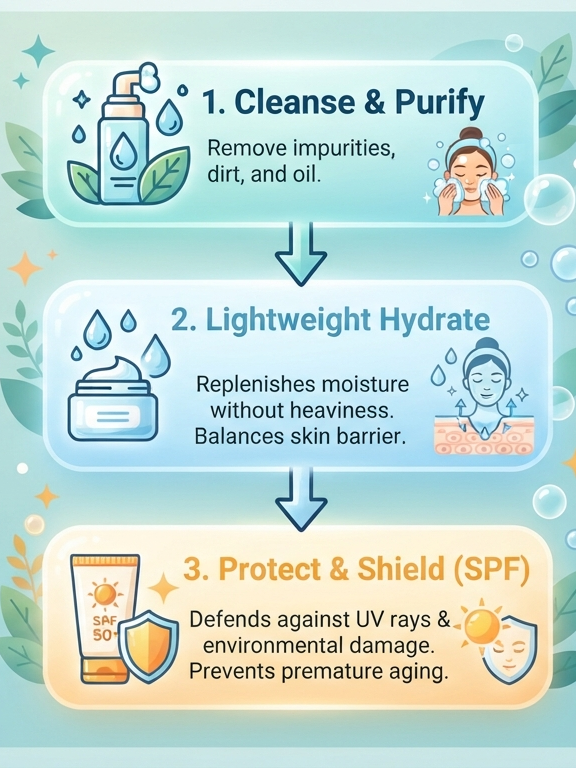
1. Master the Double Cleanse
At the end of a long day exploring water temples or relaxing on the beach, a standard cleanser is rarely enough. Water-resistant sunscreens and sweat require a two-step cleansing method:
- Step 1: Use an oil-based cleanser or micellar water to break down mineral SPF, makeup, and excess sebum.
- Step 2: Follow up with a gentle, hydrating gel cleanser to clear away remaining impurities without stripping the natural skin barrier.
2. Prioritize Lightweight, Layered Hydration
Humidity can deceive you into thinking your skin is sufficiently moisturized. In reality, heat accelerates trans-epidermal water loss, leaving your skin dehydrated even when it feels damp or oily.
Swap rich emulsions for water-based gel formulations enriched with hyaluronic acid, niacinamide, or aloe vera. These lightweight ingredients help attract and retain moisture within the skin while providing hydration without leaving a greasy or heavy residue.
3. Apply Broad-Spectrum UV Protection Rigorously
Sunscreen is non-negotiable in Bali. Opt for a broad-spectrum formula with at least SPF 50 and PA++++ rating to guard against both UVA (aging) and UVB (burning) rays. Apply generously 20 minutes before stepping outdoors, and reapply every two hours, or immediately after swimming or sweating.
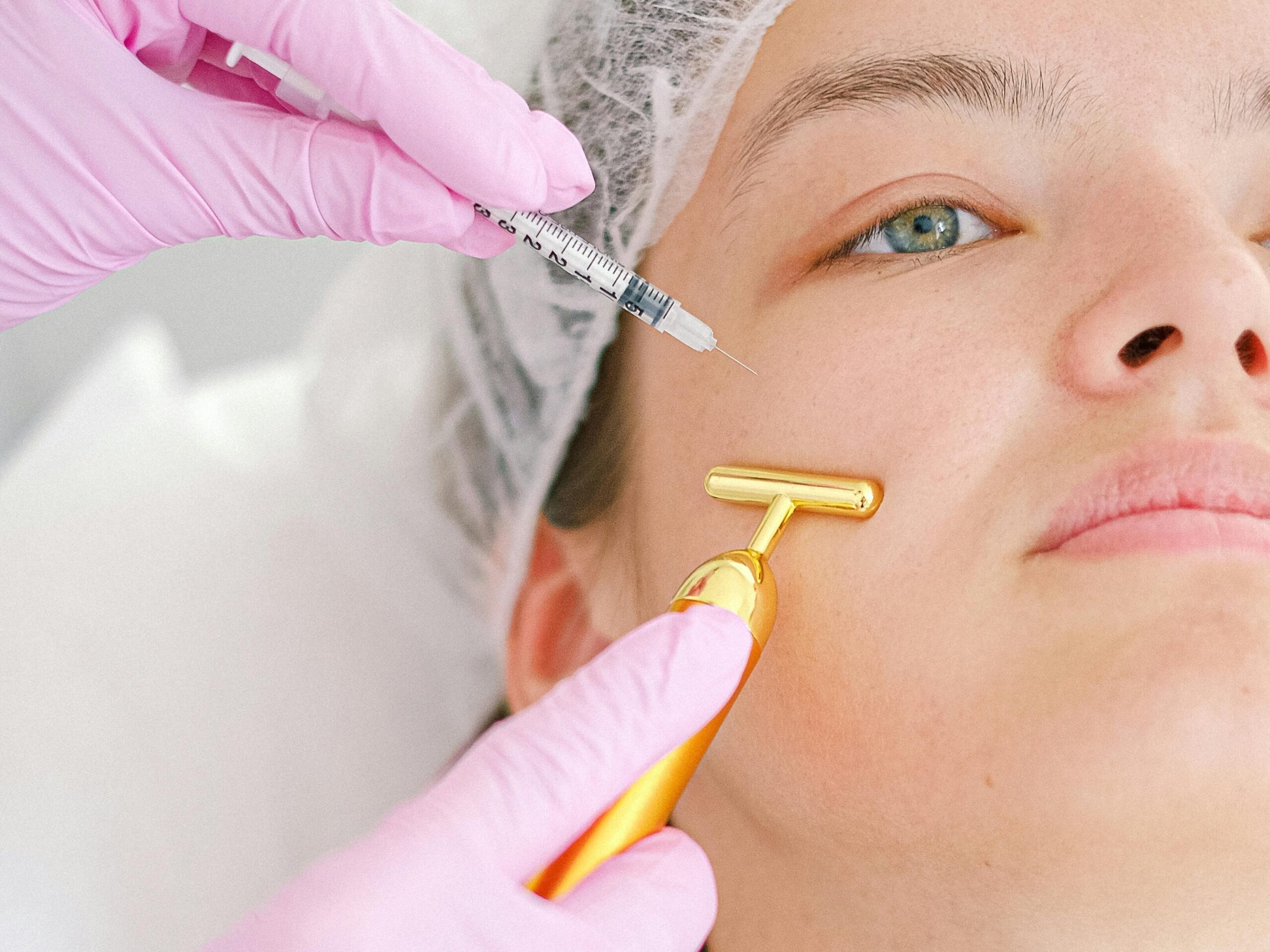
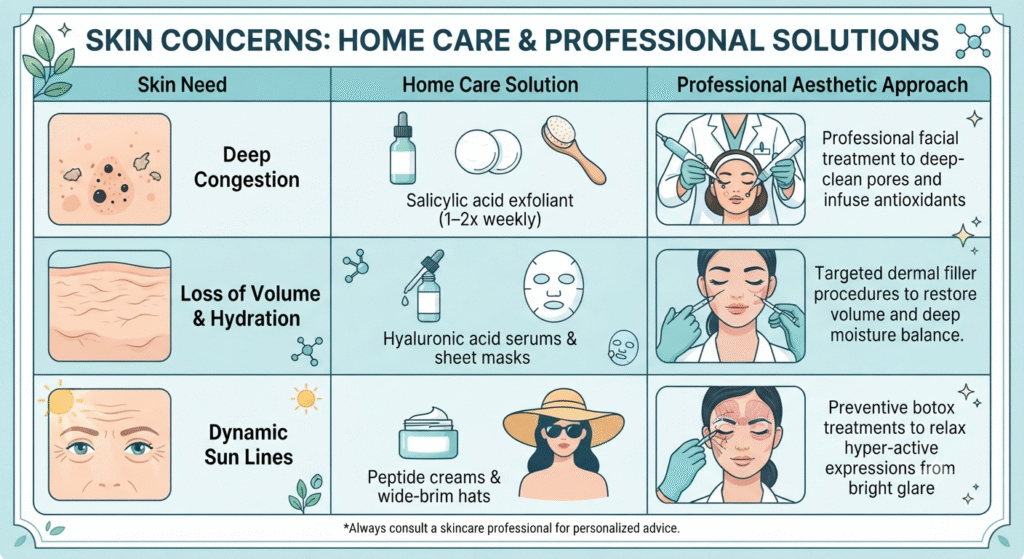
If you are planning aesthetic procedures before your vacation, proper timing is equally important. Non-surgical treatments such as botox treatments and dermal filler are generally recommended at least one to two weeks before traveling. This allows your skin adequate time to recover from any temporary redness or swelling before prolonged sun exposure and outdoor activities.
Balancing Home Skincare with Professional Care
While a solid home routine forms your daily defense, professional aesthetic support can significantly elevate your skin’s resilience before and after travel. Integrating targeted professional treatments ensures your skin stays restored despite environmental stressors.
How to Adjust Your Routine: Everyday vs. Tropical Climate
Adjusting your skin regimen according to climate shifts prevents unnecessary flare-ups. Here is a quick comparison of how your routine should shift when arriving in Bali:
| Routine Step | Standard Temperate Climate | Tropical Bali Climate |
| Moisturizer | Rich cream or lipid-replenishing oil | Oil-free hydro-gel or light fluid |
| Exfoliation | Strong AHAs/BHAs 3x a week | Mild exfoliation 1–2x a week at night only |
| Sun Protection | SPF 30 daily application | SPF 50+ water-resistant, re-applied frequently |
| Target Care | Heavy anti-aging night balms | Soothing serums with antioxidants & centella |
Post-Vacation Skin Recovery
Once your trip comes to an end, your skin may experience a “rebound” effect as it readjusts to your home climate or recovers from cumulative sun exposure.
- Cool Down the Epidermis: Use soothing ingredients like cucumber extract, panthenol, and green tea to calm heated skin tissue.
- Pause Aggressive Actives: Hold off on strong retinol or high-percentage acids for a few days if your skin shows signs of sensitivity or sun redness.
- Focus on Barrier Repair: Reintroduce ceramides and fatty acids to rebuild any compromised moisture barriers before resuming your standard regimen.
FAQ
To prevent humidity-induced breakouts, switch to oil-free, non-comedogenic products and practice double cleansing every evening. Avoid heavy oil-based moisturizers during the day and use non-comedogenic sunscreen formulations.
Yes, it is generally recommended to pause strong active ingredients like high-strength retinoids or strong chemical peels during your trip. These ingredients can make your skin more photosensitive, increasing the risk of sunburn and hyperpigmentation under Bali’s strong equator sun.
If you get sunburned, get out of direct sunlight immediately. Apply cool compresses, pure aloe vera gel, or calamine to soothe the area. Drink plenty of water to hydrate internally, and avoid using hot water, harsh soaps, or mechanical scrubs on damaged skin until it fully heals.
It is best to complete non-invasive procedures at least 1 to 2 weeks before your departure date. This gives your skin ample time to settle, heal, and fully recover so you can enjoy your vacation with a radiant, refreshed glow.