
Most people plan their first Botox appointment carefully. Far fewer think about what happens when they stop getting Botox. Maybe you want a break, maybe you are leaving Bali, or maybe you simply miss your natural expression. Whatever the reason, the change happens slowly and predictably. This guide walks through the timeline after your last injection, explains why lines do not come back worse, and shows how skin care can ease the transition.

Key takeaways
- Movement returns gradually, usually three to six months after your last injection.
- Lines come back to your natural baseline, not deeper than before.
- Sun protection, good skin care and lighter treatments make the transition easier.
Month by month
The timeline after you stop getting Botox
Botox does not switch off on a set day. Instead, its effect fades in stages as your nerves rebuild their connections to the muscle. The table below shows a typical pattern for facial lines.
| Time after last injection | What is happening | What you notice |
|---|---|---|
| Months 0 to 2 | Treatment still fully active | Smooth skin, little movement |
| Months 3 to 4 | Nerve signals start to recover | Expression returns slowly |
| Months 4 to 6 | Most movement comes back | Lines appear when you frown or smile |
| Months 6 to 12 | Muscles work at full strength | Your natural, age-matched baseline |
Swipe sideways to see the full table.
Jaw slimming (masseter) treatments often follow a slower curve, since a larger muscle takes longer to rebuild.
The science
How muscle movement returns after you stop getting Botox
Botox works by blocking the signal between a nerve and a muscle. Over time, however, the nerve grows small new branches and restores its original connection. As a result, the muscle wakes up gradually, not overnight.
Most people first notice a flicker of movement in the forehead or between the brows. A few weeks later, full expressions return. In short, you will not wake up one morning with a different face.
Myth vs fact
Do lines come back worse if you stop getting Botox?
This is the most common myth we hear in clinic. The short answer is no. When the effect wears off, your lines return to the level they would have reached anyway, based on your age, skin and sun exposure.
So why does it sometimes feel worse? After months of smooth skin, your eyes adjust to that look. Then, when movement returns, the contrast makes lines seem deeper than they really are. In fact, some long-term observations suggest that regular users develop fewer deep lines, because their muscles spent years at rest.
Case by case
What stopping Botox looks like by treatment area
Forehead and frown lines
Imagine a patient who treats her frown lines every four months for three years. Around month four after her last session, she notices her brows moving again. By month six, her “11” lines show when she concentrates, yet they look similar to her old photos, not deeper.
Crow’s feet
Smile lines return as the muscles around the eyes regain strength. Because this skin is thin, dryness and sun damage make these lines look more obvious. Therefore, hydration matters even more here.
Jaw slimming (masseter)
The jaw muscle rebuilds more slowly. Typically, its width returns over six to twelve months, and teeth clenching may come back too. If you want to keep a slimmer jaw, you can continue botox treatments at a lower frequency instead of stopping completely.
The transition
Skin care and treatments that help after you stop getting Botox
Skin quality decides how your face looks once movement returns. Fortunately, a few habits make a clear difference.
Daily habits
- Wear sunscreen (SPF 30 or higher) every day, especially under the Bali sun.
- Keep your skin hydrated with a simple moisturizer.
- Avoid smoking, since it speeds up line formation.
Night routine
- Use a retinoid at night, if your skin tolerates it, to support collagen.
- Choose a gentle cleanser that does not strip the skin.
- Sleep on your back when you can, to reduce pressure creases.
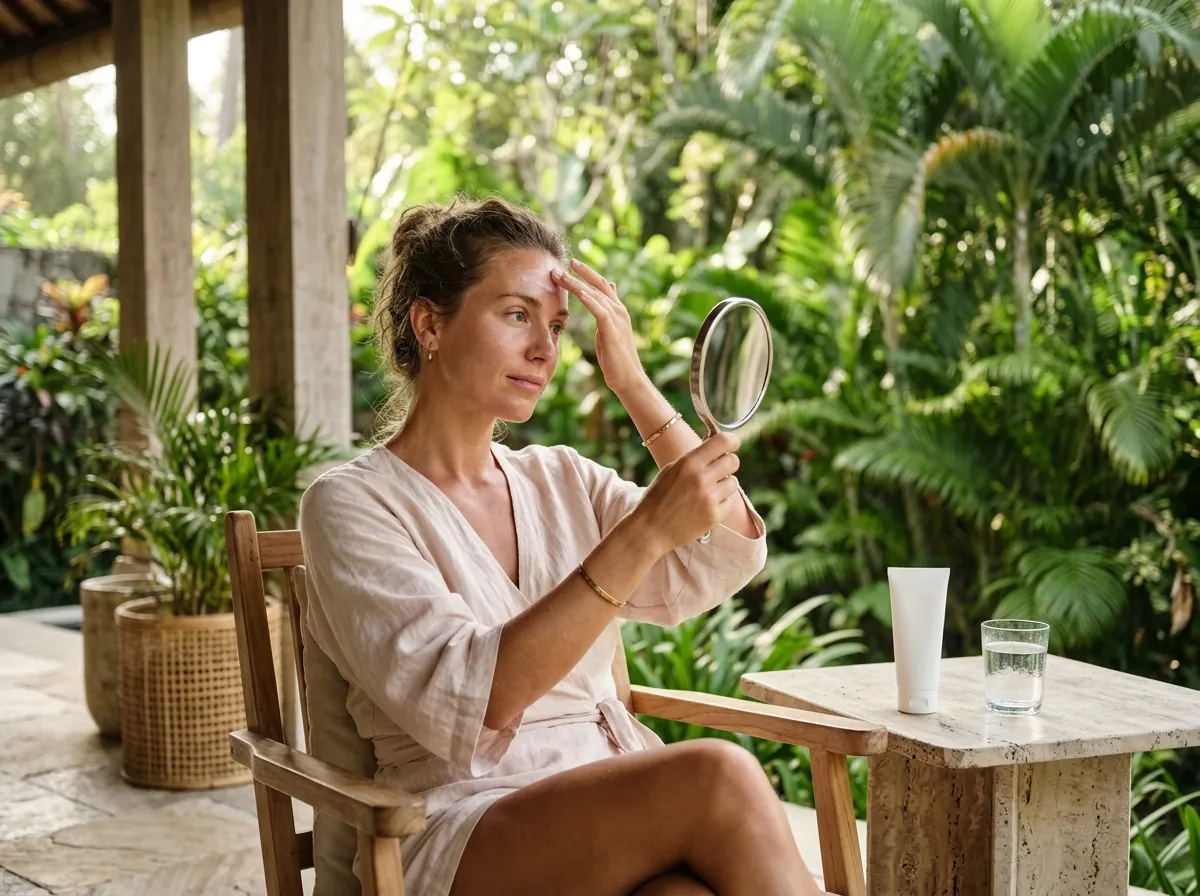
Complementary treatments can also help. For example, skin boosters improve hydration and soften fine dryness lines, while skin-level treatments give subtle smoothing without a frozen look.
Some patients also explore Mesolipolysis to refine a soft jawline or double chin once they pause jaw-slimming injections.
Next step
Planning your break with a doctor
Stopping Botox is completely safe, and you can restart at any time. Still, a short review helps you plan the change. A doctor at an aesthetic clinic Canggu team can photograph your face before the effect fades, compare it later and suggest the right next step for your skin.
Medically reviewed by Dr. Connie Calista Tham, Head Doctor at Aeconic Aesthetic Clinic in Berawa, Canggu.
This article offers general information and does not replace a personal consultation.
Book a review
Thinking about a break from Botox?
First, send us a message on WhatsApp. Then Dr. Connie Calista Tham will review your face in person and help you plan the transition.
Jl. Subak Sari No. 30a, Tibubeneng, Berawa, Canggu · Monday to Saturday, 10:00 to 17:00 · +62 811 2503 3440
Questions
Stop getting Botox: frequently asked questions
Will I look older if I stop getting Botox?
No. You will simply look like yourself at your current age. However, your skin may look more tired if you skip sun protection and skin care, so keep those habits going.
Can I restart Botox after a long break?
Yes. Your doctor reassesses your muscles first, because their strength may differ from your last visit. Then they adjust the dose to suit your face now.
How long does Botox take to fully wear off?
Most facial treatments wear off within three to six months. Jaw-slimming treatments often take longer, sometimes up to a year, before the muscle regains its full size.