

You return from a week by the sea with a tan, yet your skin looks flat and tired. Sound familiar? Dull skin after beach holiday trips is common, and it has clear causes. In fact, sun, salt water and humidity each strip away your glow in a different way. Therefore, this guide explains the science behind it, how treatments help and what to do in the days after sun exposure.
Key takeaways
- UV light, tanned dead cells, salt water and humidity all dull the skin in different ways.
- A weakened skin barrier lets water escape, so skin turns dry, blotchy and reactive.
- Restore the barrier first, and then treat the tone.
- A brightening facial, laser toning and skin boosters can speed up recovery once skin calms down.
- Above all, see a doctor for blisters, severe pain, fever or dark patches that persist.
The causes
What causes dull skin after beach holiday trips?
Three main problems combine to dull your skin. First, UV light makes your skin produce extra pigment (melanin), which creates a tan. Second, your skin sheds fewer dead cells and holds onto tanned ones on the surface. Third, salt, sun and heat weaken your skin barrier, so water escapes faster.
The table below shows how each problem affects your skin.
| Cause | What happens | What you notice |
|---|---|---|
| UV exposure | Extra pigment forms, often unevenly | Patchy, uneven tone |
| Tanned dead cells | Old cells pile up on the surface | Flat, rough, lifeless look |
| Salt water | Draws moisture out of the skin | Tightness and surface dryness |
| Disrupted barrier | Water escapes more easily | Dull, sensitive, thirsty skin |
| Heat and humidity | Sweat and oil clog pores | Congestion and uneven texture |
Swipe sideways to see the full table.
Every skin reacts differently, so the mix of causes varies from person to person.
The science
Why sun and salt make skin look flat
Smooth skin reflects light evenly, and that creates a glow. After sun exposure, however, the surface turns rough because tanned dead cells stay in place. As a result, light scatters instead of reflecting, and your skin looks dull.
Salt water adds to the problem. It pulls moisture from the top layer of skin, so your face feels tight and looks dry. Meanwhile, humidity and sweat mix with sunscreen and oil, which can clog pores. Pigment also forms unevenly, since your nose, cheeks and forehead catch more sun than other areas.
Barrier first
How the skin barrier plays a role
Your skin barrier holds water in and keeps irritants out. UV light and salt damage the lipids that hold this barrier together. Consequently, water escapes faster, and your skin turns dehydrated and reactive.
A weak barrier also makes your tone look blotchy. Therefore, restoring the barrier comes first, before you treat the tone.
- Healthy barrierHolds water in and looks smooth and even
- Damaged barrierLoses water and looks dull, blotchy and reactive
Professional help
How a brightening facial and laser toning help
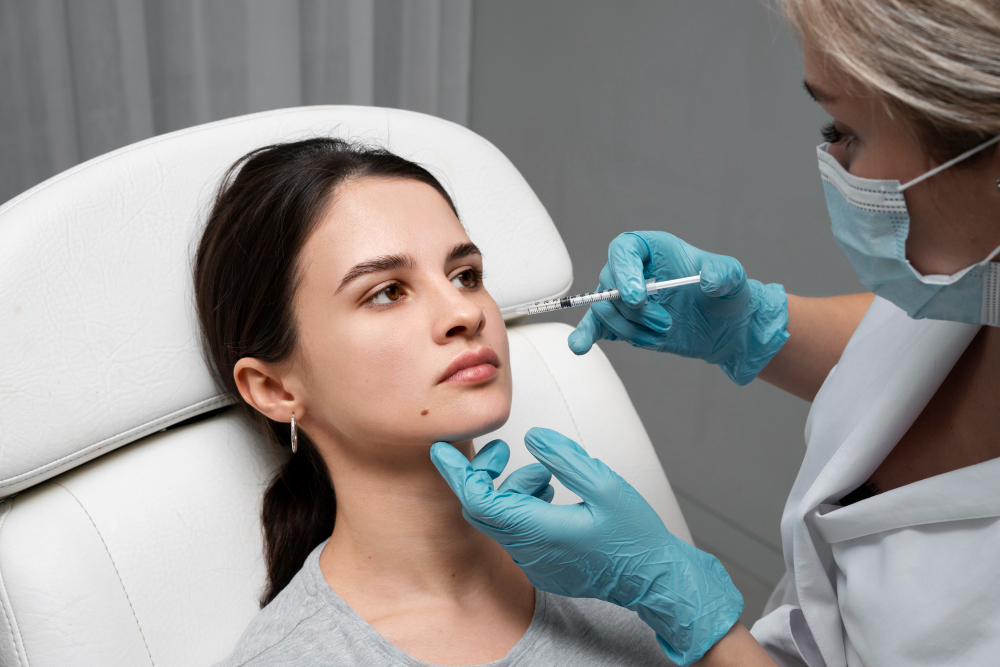
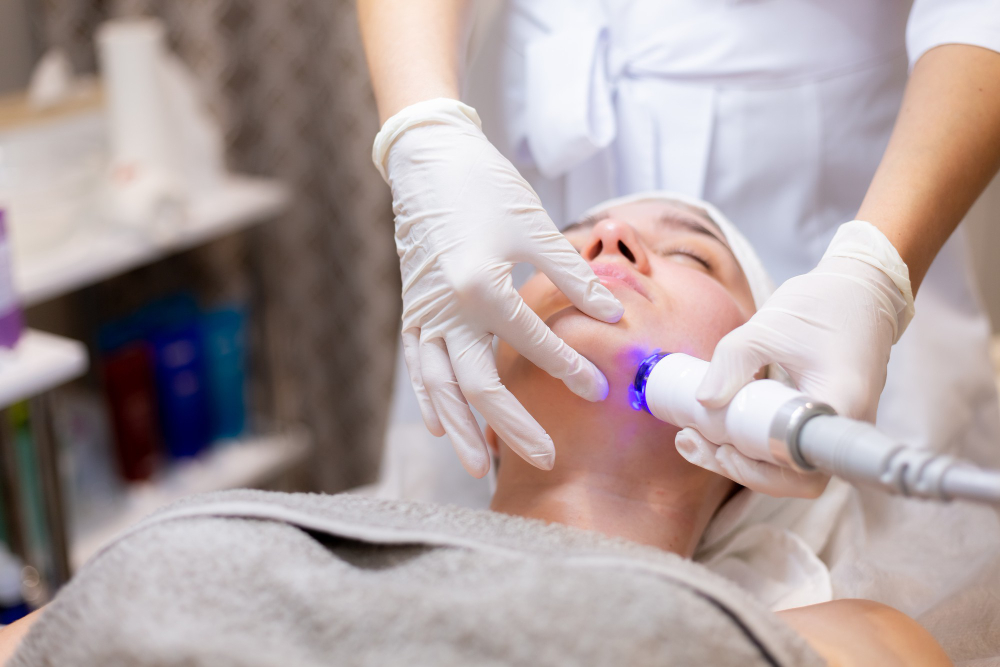
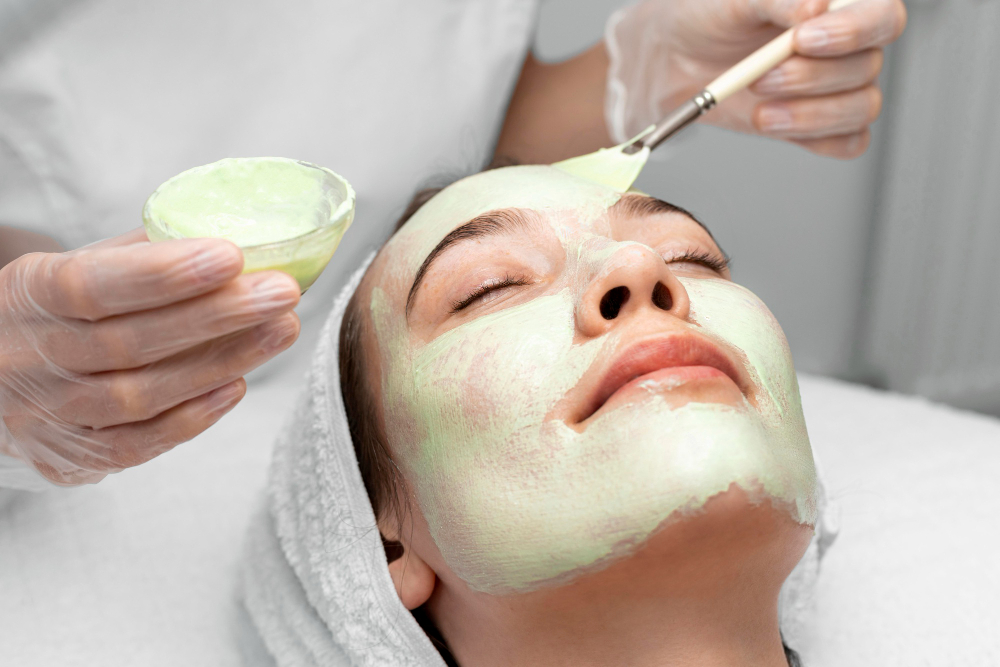
Once your skin calms down, a professional treatment can speed up recovery. A brightening facial treatment gently removes tanned dead cells, hydrates the skin and adds antioxidants. In addition, it clears congested pores, so your surface looks smoother and brighter.
Laser toning works differently. It uses low-energy light to break up scattered pigment, and it evens out your tone over several sessions. However, doctors only treat skin that is calm and not sunburned. Your doctor decides the right timing after examining your skin.

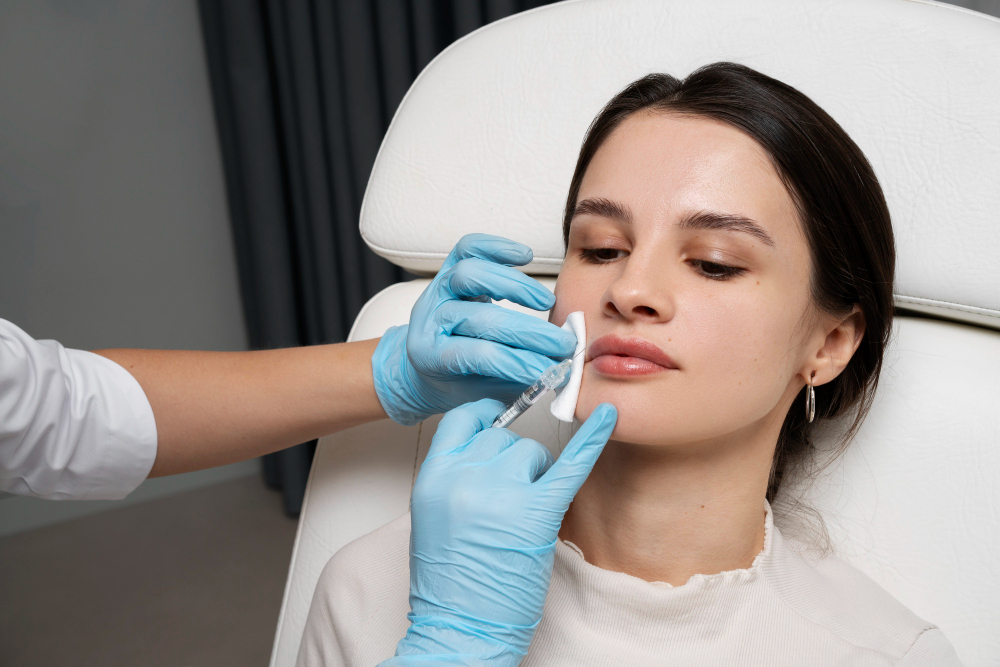
Hydration matters too. Many patients choose a skin booster treatment to bring deeper moisture and a fresher look once the barrier has recovered. Your doctor will tell you when your skin is ready.
At home
What to do for dull skin after beach holiday sun
Simple habits protect your skin in the first days back. Follow these steps:
- First, rinse your face with cool water and use a gentle cleanser.
- Next, apply a hydrating moisturizer with barrier-supporting ingredients.
- Wear sunscreen (SPF 30 or higher) every morning and reapply during the day.
- Drink plenty of water and sleep well.
- Finally, add a gentle antioxidant, such as vitamin C, once your skin feels calm.
Hold off
What to avoid after sun exposure
Some habits slow recovery. Avoid these while your skin settles:
On irritated or sunburned skin
- Scrubs, strong acids and retinoids.
- Picking or peeling flaking skin by hand.
- Waxing or harsh hair removal.
In the days after sun
- Hot showers and saunas, which dry out your skin further.
- More tanning or sunbeds, which deepen uneven pigment.
See a doctor straight away if you notice blisters, severe pain or fever after sunburn.
Doctor’s advice
When to talk to a doctor
Some changes need professional advice. For example, these signs deserve an assessment:
- Dark patches that persist.
- Deep dryness that does not improve.
- Lasting redness.
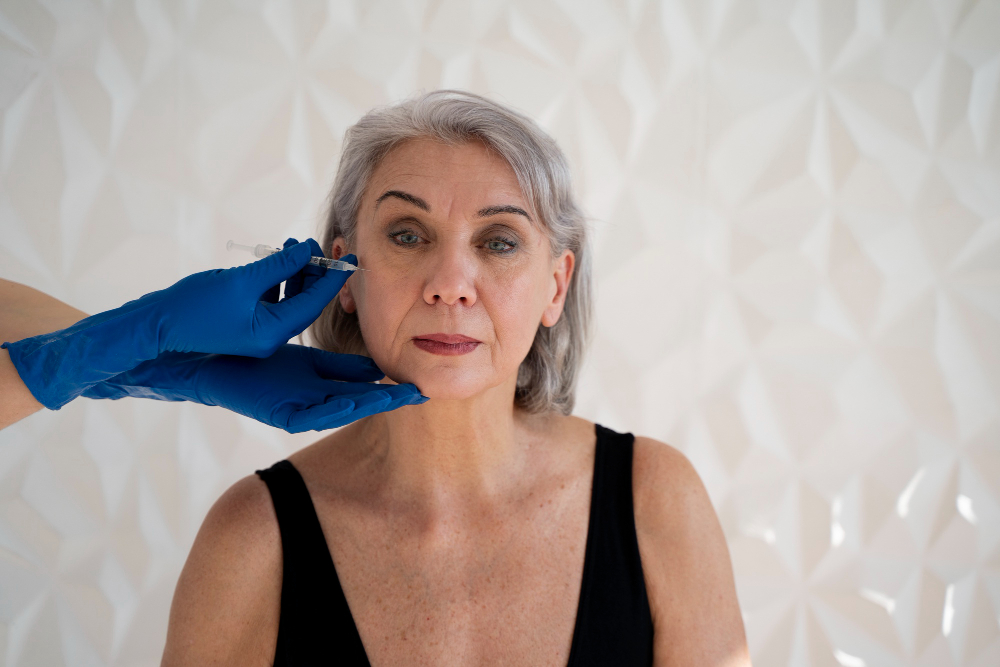
Sun and dehydration can also make hollows and fine lines look more obvious. A dermal filler restores volume, but it does not treat dullness, so doctors address the two concerns separately. As a result, a skin consultation helps you choose the right order of treatments.
Medically reviewed by Dr. Connie Calista Tham, Head Doctor at Aeconic Aesthetic Clinic in Berawa, Canggu.
This article offers general information and does not replace a personal consultation. Ultimately, the right treatment and its timing depend on your skin and medical history.
Book a consultation
Bring back your glow after the beach
First, send us a photo of your skin and tell us how long you spent in the sun. Then Dr. Connie Calista Tham will assess your skin in person and recommend the right recovery plan and timing.
Jl. Subak Sari No. 30a, Tibubeneng, Berawa, Canggu · Monday to Saturday, 10:00 to 17:00 · +62 811 2503 3440
Questions
Dull skin after a beach holiday: frequently asked questions
How long does dull skin last after a beach holiday?
Mild dullness often improves within one to two weeks as skin renews itself. However, dry or sunburned skin may take longer. Consistent moisturizer and sunscreen speed up recovery.
Can I get a facial right after a beach holiday?
Wait until sunburn, peeling and irritation settle. Then a gentle, hydrating facial treatment often suits your skin best. Your doctor will adjust the treatment to your skin’s condition.
Does laser toning remove a tan?
A tan fades as your skin renews itself. Laser toning targets scattered pigment and helps even out tone, but it does not suit freshly sunburned skin. Therefore, wait for your skin to calm down first.
Can I get a chemical peel straight after a beach holiday?
Not on sunburned or irritated skin. A peel removes the top layer, so it can sting and darken skin that is still recovering. Instead, wait until your skin feels calm, and let your doctor choose the timing.
How can I prevent dull skin on my next beach trip?
Reapply SPF 30 or higher every two hours and after swimming, and wear a hat in strong sun. In addition, rinse off salt water, moisturize every evening and drink plenty of water.