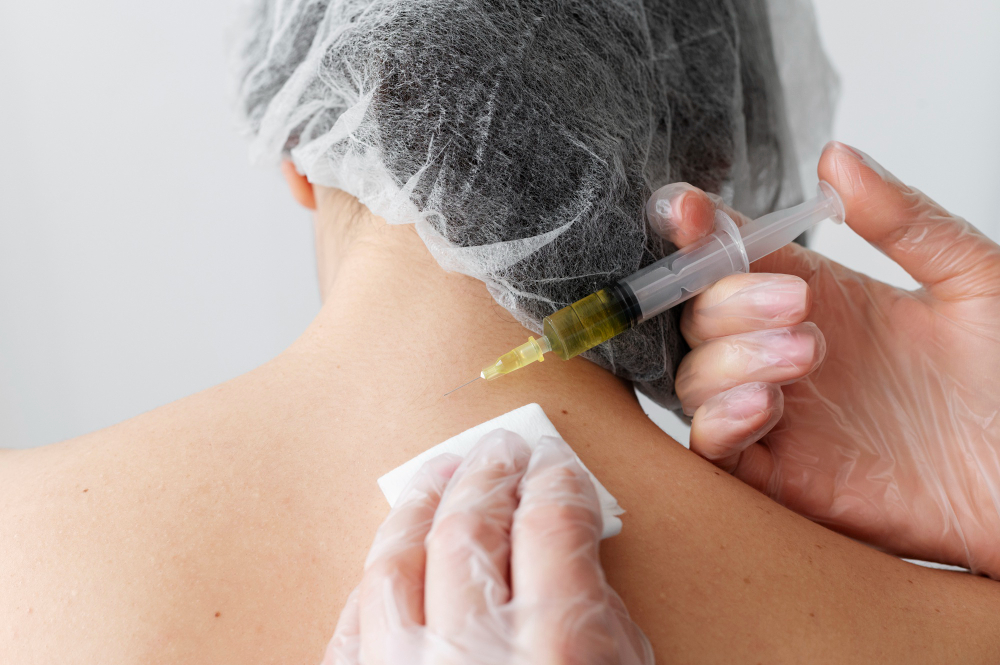

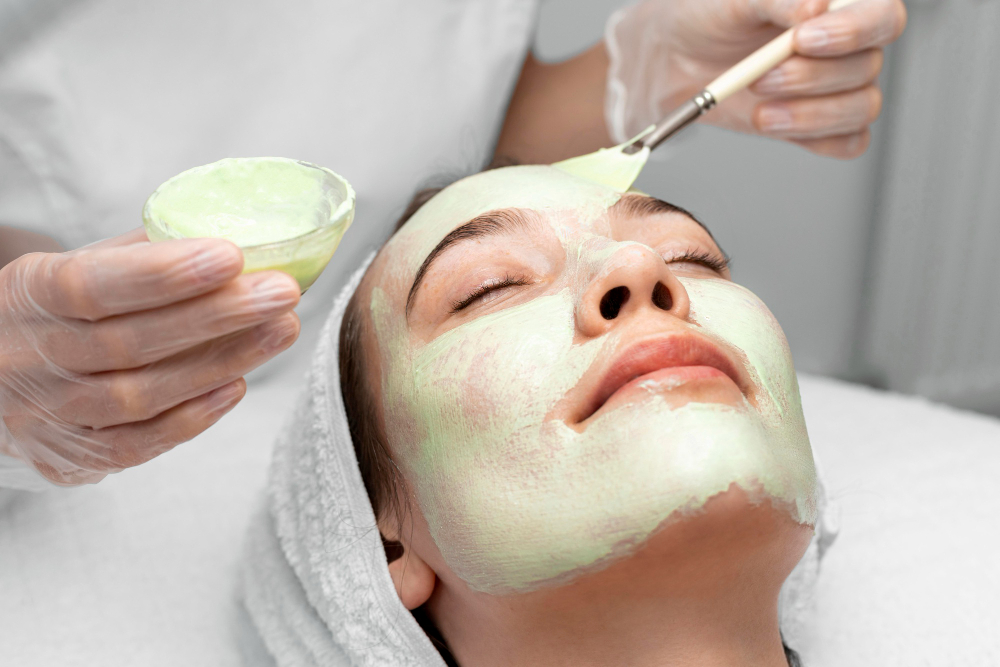
Acne marks, dark spots, rough texture and dull skin rarely fade with creams alone. A chemical peel removes the damaged top layers and reveals fresher skin underneath. However, peels range from very gentle to quite strong, and the right choice matters. Therefore, this guide explains each peeling treatment type, what peeling looks like and how to care for your skin afterward.
Key takeaways
- A chemical peel uses a controlled acid to remove dead cells and trigger skin renewal.
- Gentle, superficial and medium peels work at different depths, with different downtime.
- Visible peeling usually starts on day two or three, so never pick at flaking skin.
- Most results come from a series of sessions, not a single peel.
- Above all, daily sunscreen protects fresh skin from the strong Bali sun.
Side by side
Gentle, superficial and medium peeling treatment options
Each peel works at a different depth. A gentle peel uses mild acids such as mandelic or lactic acid, which suit sensitive skin. A superficial peel uses acids such as glycolic or salicylic acid, and it targets the outermost layer. Meanwhile, a medium peel, often based on trichloroacetic acid (TCA), reaches deeper and treats stronger concerns.
For this reason, many patients start at the gentlest level that still meets their goal. The table below compares the three options.
| Peel type | Common acids | Best for | What peeling looks like | Typical downtime |
|---|---|---|---|---|
| Gentle | Mandelic, lactic | Sensitive skin, mild dullness | Very light flaking, if any | Little to none |
| Superficial | Glycolic, salicylic | Acne, mild pigmentation, texture | Light flaking for 2 to 4 days | 1 to 3 days |
| Medium | TCA | Deeper pigmentation, stubborn texture | Visible peeling for 5 to 7 days | About 5 to 7 days |
Swipe sideways to see the full table.
Downtime varies from person to person. Therefore, ask your doctor what to expect for your skin.
The basics
What is a chemical peel?
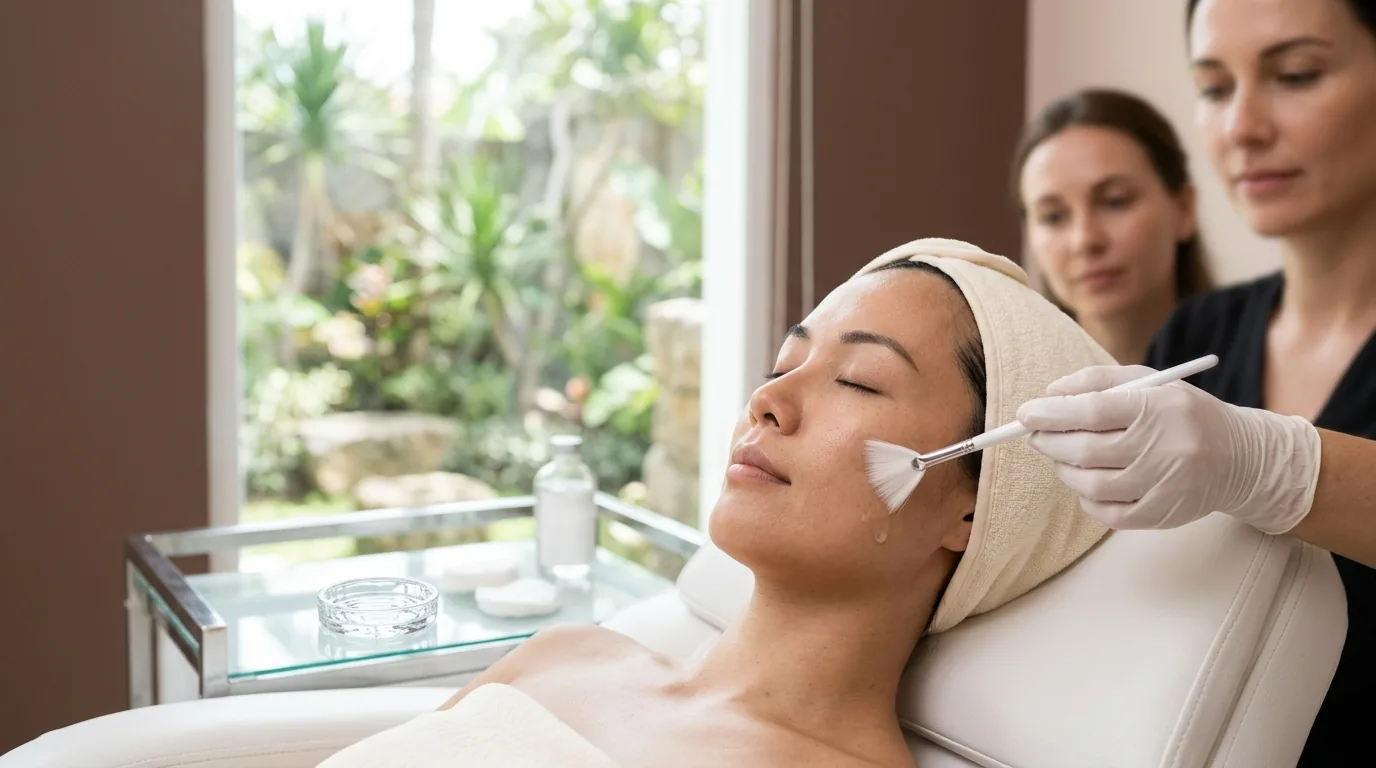
A chemical peel applies a controlled acid solution to the skin. The acid loosens dead cells and triggers renewal. As a result, new, smoother skin replaces the old layer over several days.
Your doctor chooses the acid and its strength based on your skin type and goals. In addition, a professional peel reaches deeper and works more evenly than most home products.
What it treats
Skin concerns a chemical peel can improve
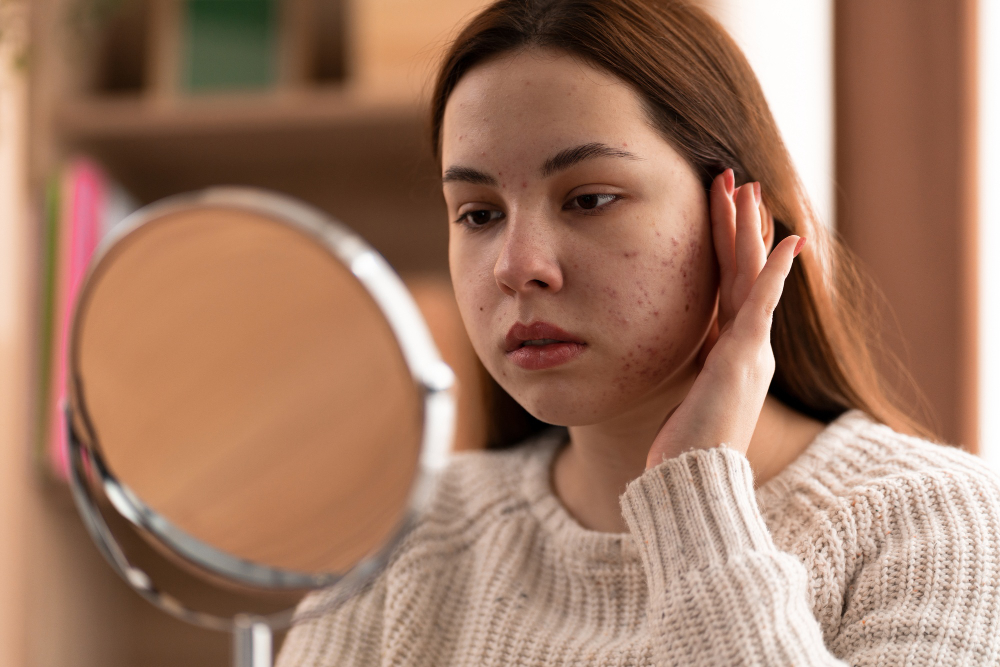
A chemical peel helps with several common concerns:
- Acne-prone skinUnclogs pores and calms breakouts
- PigmentationFades sun spots and uneven tone over a series
- TextureSmooths rough, uneven skin
- DullnessRestores a brighter, fresher complexion
Moreover, fine lines and superficial acne marks often look softer as well. Deeper scars, however, usually need other treatments alongside peels.
Day by day
What peeling looks like after a chemical peel
Peeling does not start immediately. Instead, it usually follows this pattern:
- Day 1: first, your skin may look pink and feel tight, much like a mild sunburn.
- Day 2 to 3: then fine flakes appear, especially around the nose and mouth.
- Day 4 to 7: after that, the flaking spreads and gradually fades, revealing fresher skin.
Do not pull or pick at the skin. Picking can cause marks, and it also slows healing. Gentle peels, on the other hand, may barely flake at all, yet they still work.
Frequency
How often should you get a chemical peel?
Frequency depends on the peel type. Gentle and superficial peels often repeat every two to four weeks in a short series. In contrast, medium peels need longer gaps, often several months.
- Gentle peelEvery 2 to 4 weeks in a series
- Superficial peelEvery 2 to 4 weeks in a series
- Medium peelSeveral months apart
- Best resultsAfter a series, not a single session
Consequently, your doctor builds a plan around your skin and schedule. You can see how we plan each chemical peel course at Aeconic.
Aftercare
Post-peel skin care and sun protection
Aftercare decides how well your skin heals. Follow these steps in the first week:
Do
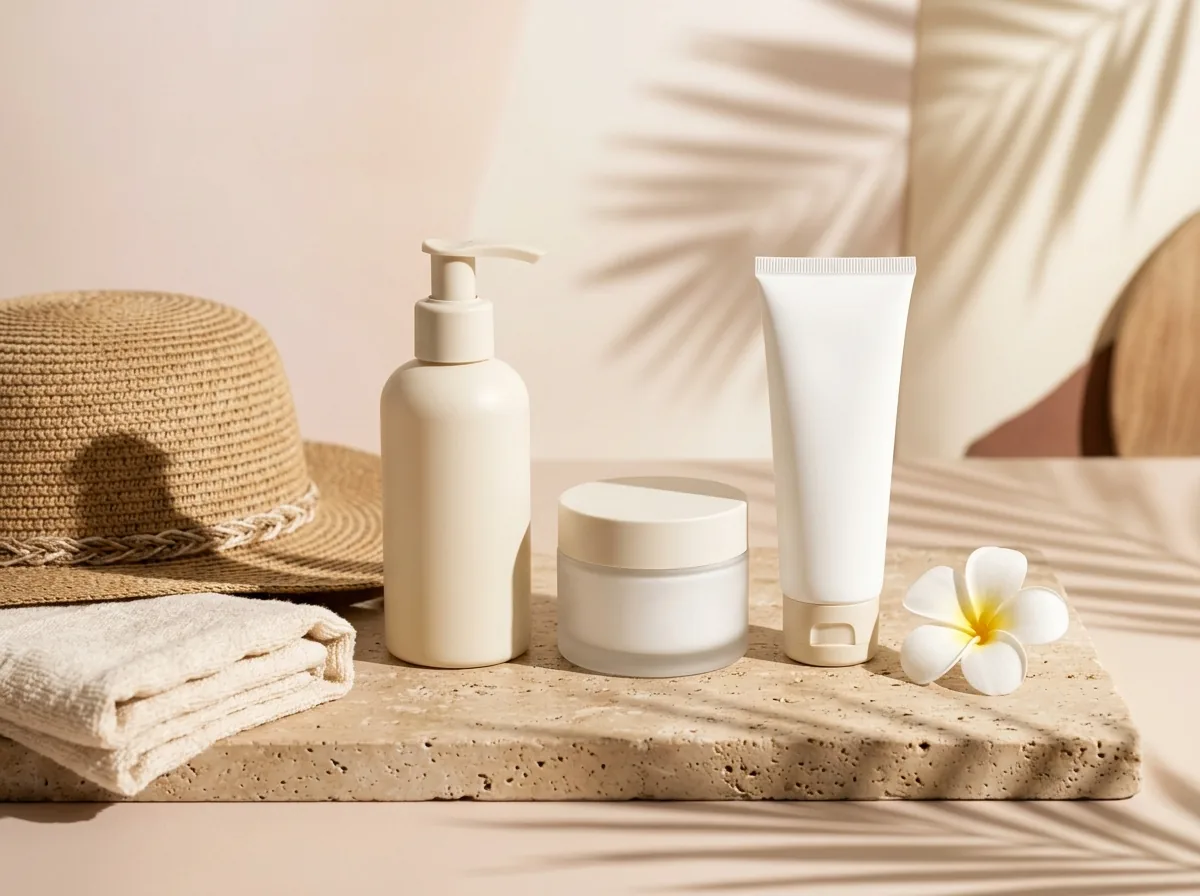
- Use a gentle cleanser and a simple, hydrating moisturizer.
- Apply sunscreen (SPF 30 or higher) every morning and reapply during the day.
- Wear a hat and stay in the shade whenever you can.
Avoid
- Scrubs, retinoids and strong acids until your doctor says it is safe.
- Saunas, heavy workouts and waxing for a few days.
- Peeling off flaking skin by hand, even when it feels tempting.
Bali’s strong sun makes sunscreen especially important. Fresh skin burns and pigments easily, so a hat and shade also help. In addition, many patients pair peels with a facial treatment to boost hydration, but your doctor should set the timing.
Contact the clinic straight away if you notice blisters, crusting, increasing pain, signs of infection or new dark patches after a peel.
Suitability
Who should avoid a chemical peel?
Some people need to wait. For instance, doctors usually postpone peels in these situations:
- Pregnancy or breastfeeding.
- Active infections, open wounds or broken skin.
- Recent isotretinoin use, which requires a conversation first.
Likewise, tell your doctor about cold sores, sensitive skin or a history of dark scarring. This honesty helps your doctor choose a safe peel for you.
Safety checklist
How to choose a safe peeling treatment clinic
Skill matters as much as the acid. Therefore, check these points before you book:
- First, look for a licensed doctor.
- Next, expect a thorough skin consultation before any acid touches your skin.
- Then ask for clear aftercare instructions you can take home.
- Finally, check that the clinic explains risks openly.
Furthermore, a good clinic never pushes a stronger peel than you need. A trusted aesthetic clinic Canggu team will also schedule follow-up visits to monitor your healing.
Medically reviewed by Dr. Connie Calista Tham, Head Doctor at Aeconic Aesthetic Clinic in Berawa, Canggu.
This article offers general information and does not replace a personal consultation. Ultimately, the right peel and its timing depend on your skin and medical history.
Book a consultation
Find the right peel for your skin
First, send us a photo of your skin and tell us what bothers you most. Then Dr. Connie Calista Tham will assess your skin type in person and recommend a peel strength that fits your goals and your plans in Bali.
Jl. Subak Sari No. 30a, Tibubeneng, Berawa, Canggu · Monday to Saturday, 10:00 to 17:00 · +62 811 2503 3440
Questions
Chemical peel: frequently asked questions
Does a chemical peel hurt?
Most patients feel a mild tingling or warm sensation. Stronger peels may sting more, but your doctor neutralizes or removes the solution at the right time. As a result, the discomfort stays short.
Can I wear makeup after a chemical peel?
Wait at least 24 hours after a gentle or superficial peel, and longer after a medium peel. When you restart, choose mineral or gentle products. Your doctor will give you exact timing.
When will I see results from a peeling treatment?
Many people notice a brighter, smoother look once peeling ends. However, pigmentation and acne marks need several sessions. Consequently, patience and sun protection help you keep the results.
Is a chemical peel safe for darker or Asian skin tones?
Yes, with the right peel and preparation. Darker skin tones carry a higher risk of dark marks after inflammation, so doctors often choose gentler acids, such as mandelic acid, and may prepare the skin first. In addition, strict sun protection matters even more.
Can a chemical peel remove acne scars?
Peels soften superficial marks and uneven tone. Deeper, pitted scars, however, usually need treatments that work below the surface. For example, doctors often recommend Rejuran to support skin repair alongside peels.
Can I get a chemical peel while on holiday in Bali?
A gentle or superficial peel can fit into a trip, as long as you can protect your skin from strong sun for about a week. However, plan a medium peel only when you can stay out of the sun and skip beach days. Share your travel dates at booking so the doctor can choose the right strength.