Bali has transformed into much more than a destination for tropical holidays and wellness retreats. Over recent years, the island has quickly gained a global reputation as a vibrant hub for medical aesthetic procedures. From advanced skin rejuvenation to non-invasive body contouring, many travelers and residents take advantage of their stay to refresh their appearance.
However, the rapid growth of beauty centers across Bali also brings challenges for consumers. Knowing how to filter your options is essential to protect your health and ensure natural-looking results. Selecting the right facility requires looking beyond appealing social media feeds and attractive promotional offers.
Understanding the key safety indicators allows you to make informed choices with complete confidence during your visit to the island.
Essential Criteria for Medical Aesthetic Safety
Navigating your options requires a clear checklist of standards. Here are the core factors to evaluate when searching for a trusted medical aesthetic provider.
1. Medical Licensing and Practitioner Expertise
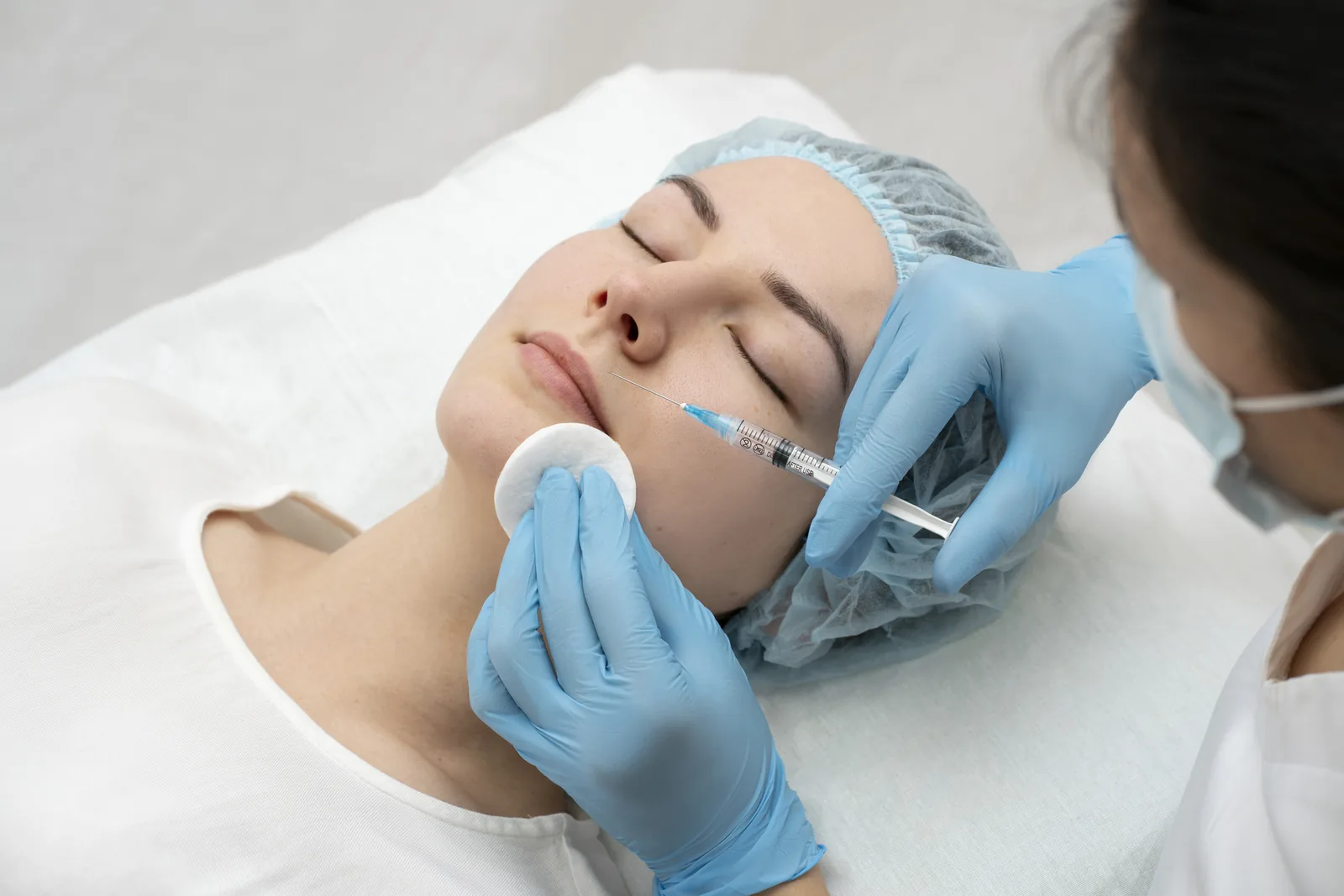
The single most critical aspect of any medical aesthetic procedure is the qualification of the person administering it. In Indonesia, medical procedures like dermal fillers, botulinum toxin injections, and advanced laser therapies must legally be performed by licensed medical doctors.
Always verify that the clinic operates with registered physicians who hold valid licenses. Qualified doctors possess the anatomical knowledge necessary to avoid complications and deliver subtle, balanced enhancements. While beauticians and estheticians handle standard superficial skin pampering, medical treatments must remain strictly within the doctor’s scope.
2. Equipment Certification and Product Authenticity
Safety goes hand in hand with the technology and products used during your treatment. Reputable facilities invest heavily in genuine, medical-grade equipment certified by international regulatory bodies such as the US FDA or European CE.
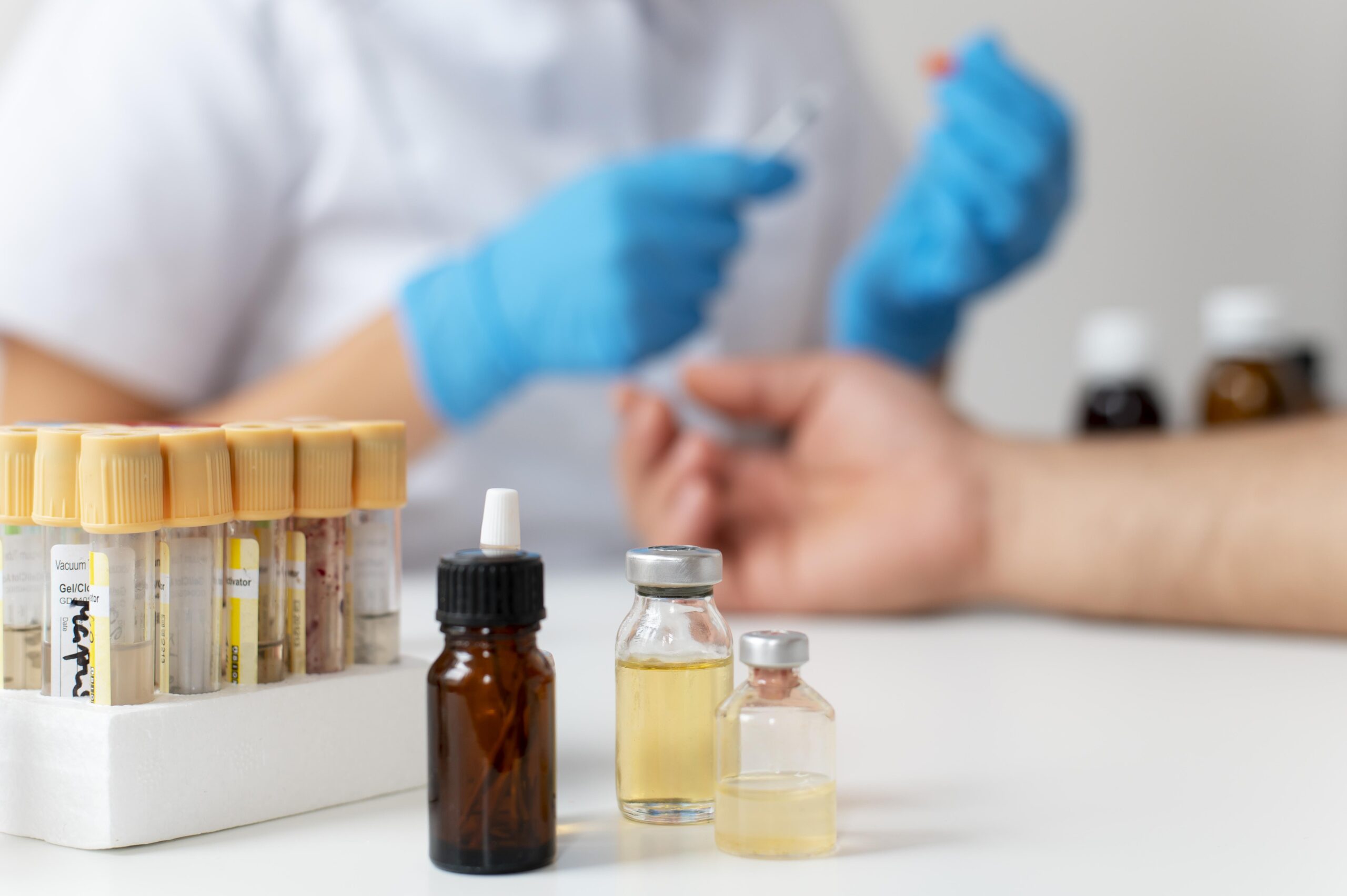
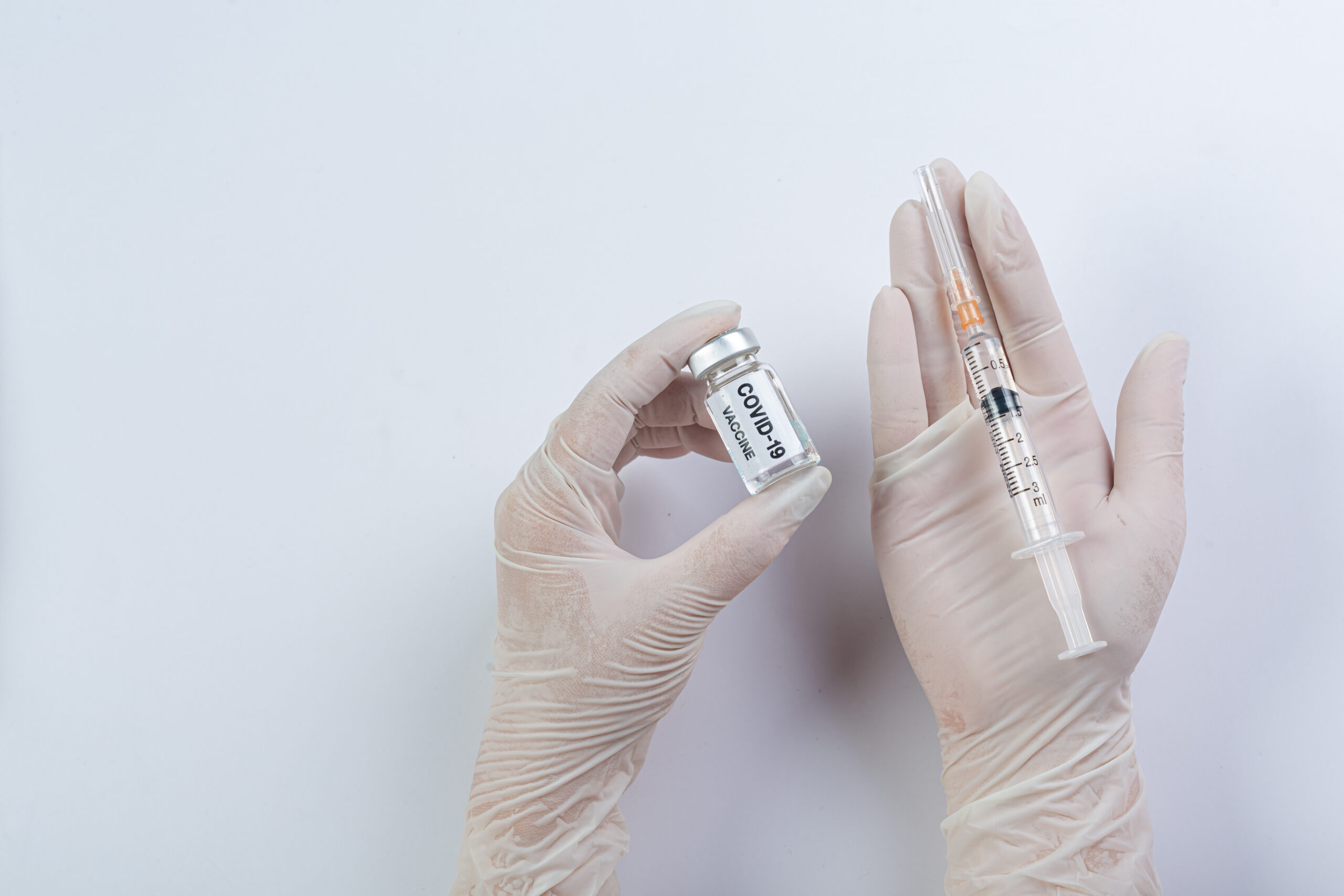
Furthermore, products introduced to your skin must be fully authentic and registered with local health authorities like BPOM. Authentic products come in sealed packaging that should be opened directly in your presence before any procedure begins.
Safety Comparison Checklist
To help you quickly evaluate clinics during your research, use the reference guide below to distinguish between a licensed medical clinic and a standard cosmetic salon.
| Evaluation Criteria | Licensed Aesthetic Clinic | Standard Beauty Salon |
| Primary Practitioner | Licensed Medical Doctor (Dokter) | Beautician or Esthetician |
| Treatment Scope | Medical-grade lasers, injectables, deep peels | Superficial facials, basic masks, relaxation |
| Equipment & Tech | FDA/CE certified medical devices | Commercial-grade beauty machines |
| Product Integrity | BPOM approved, sealed authentic products | Unbranded or private-label cosmetics |
| Consultation Process | Comprehensive medical history & skin analysis | Direct service without medical assessment |
What to Expect During a Professional Consultation
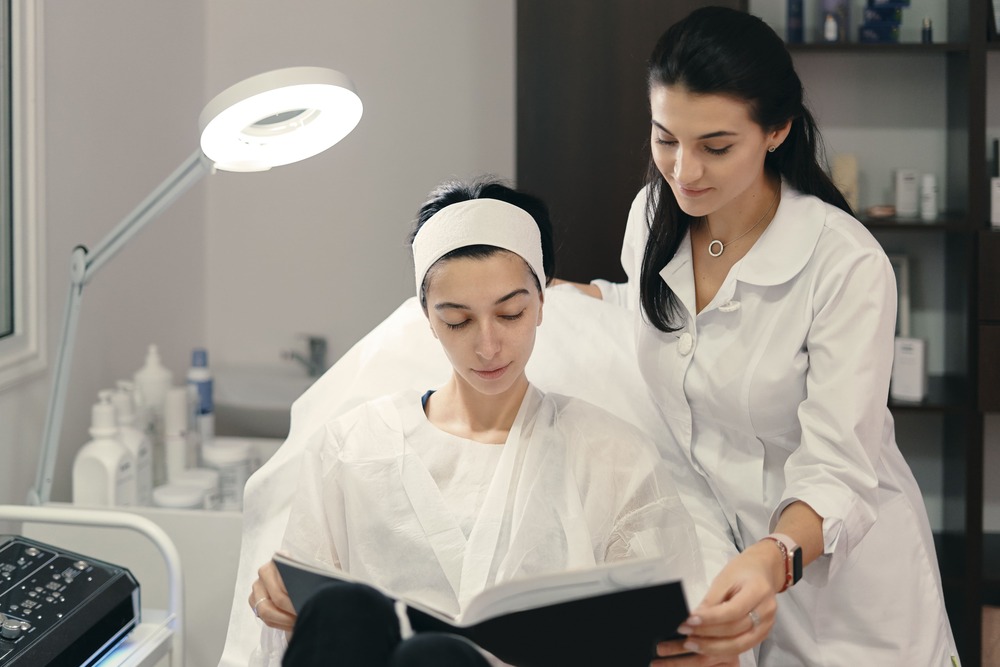
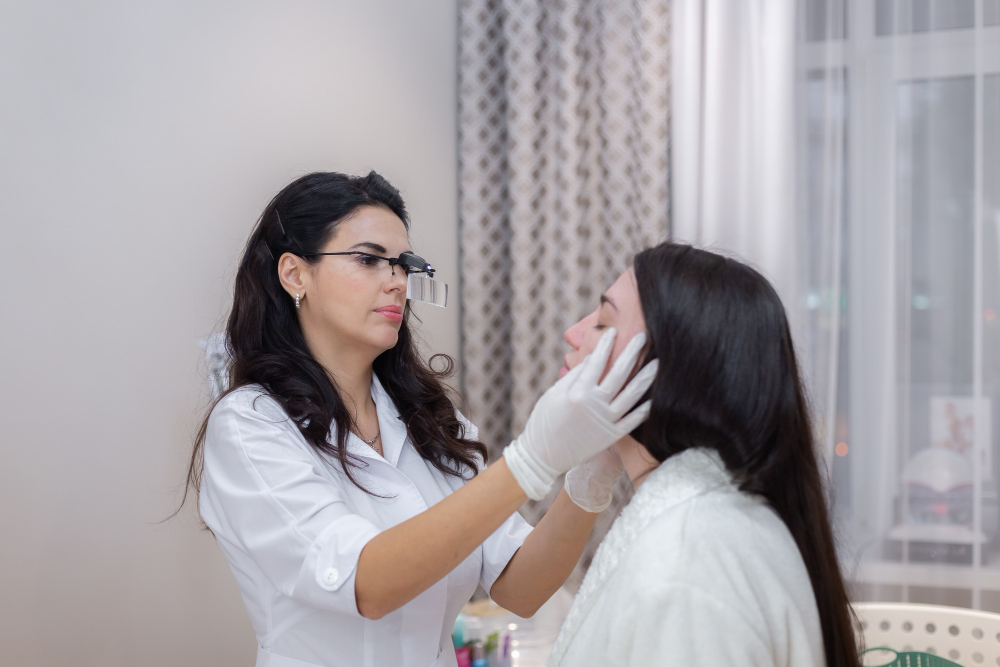
A safe experience always begins with a transparent, pressure-free consultation process. Professional doctors prioritize your safety by assessing your medical history, evaluating current skin conditions, and setting realistic expectations.
During this initial assessment, the physician will discuss potential downtime, proper aftercare, and appropriate treatment intervals. If a practitioner promises immediate dramatic results without discussing potential risks or taking time to analyze your skin type, consider it a clear red flag.
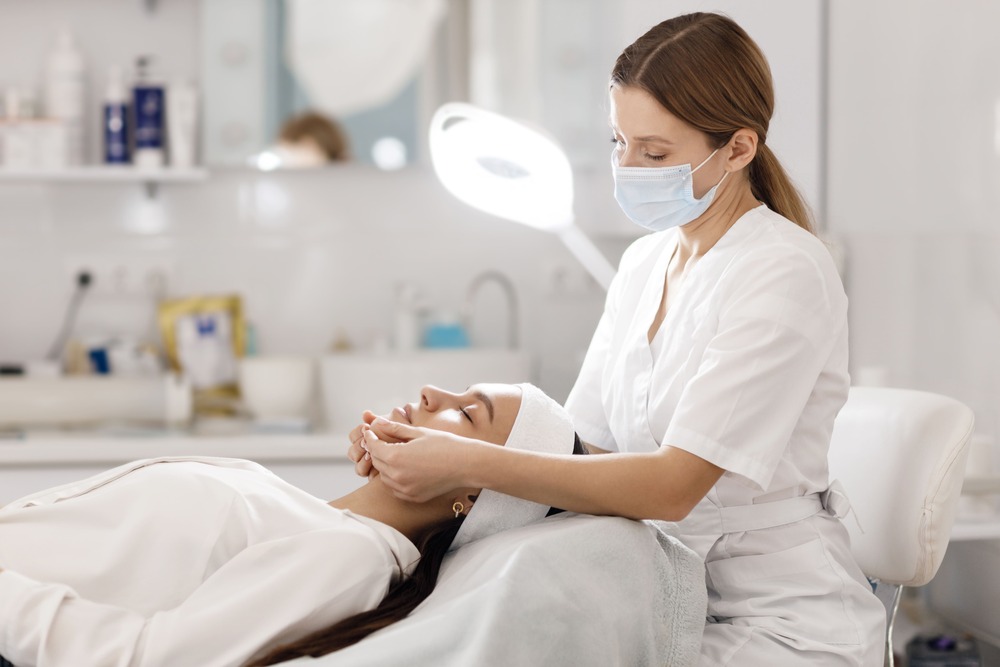
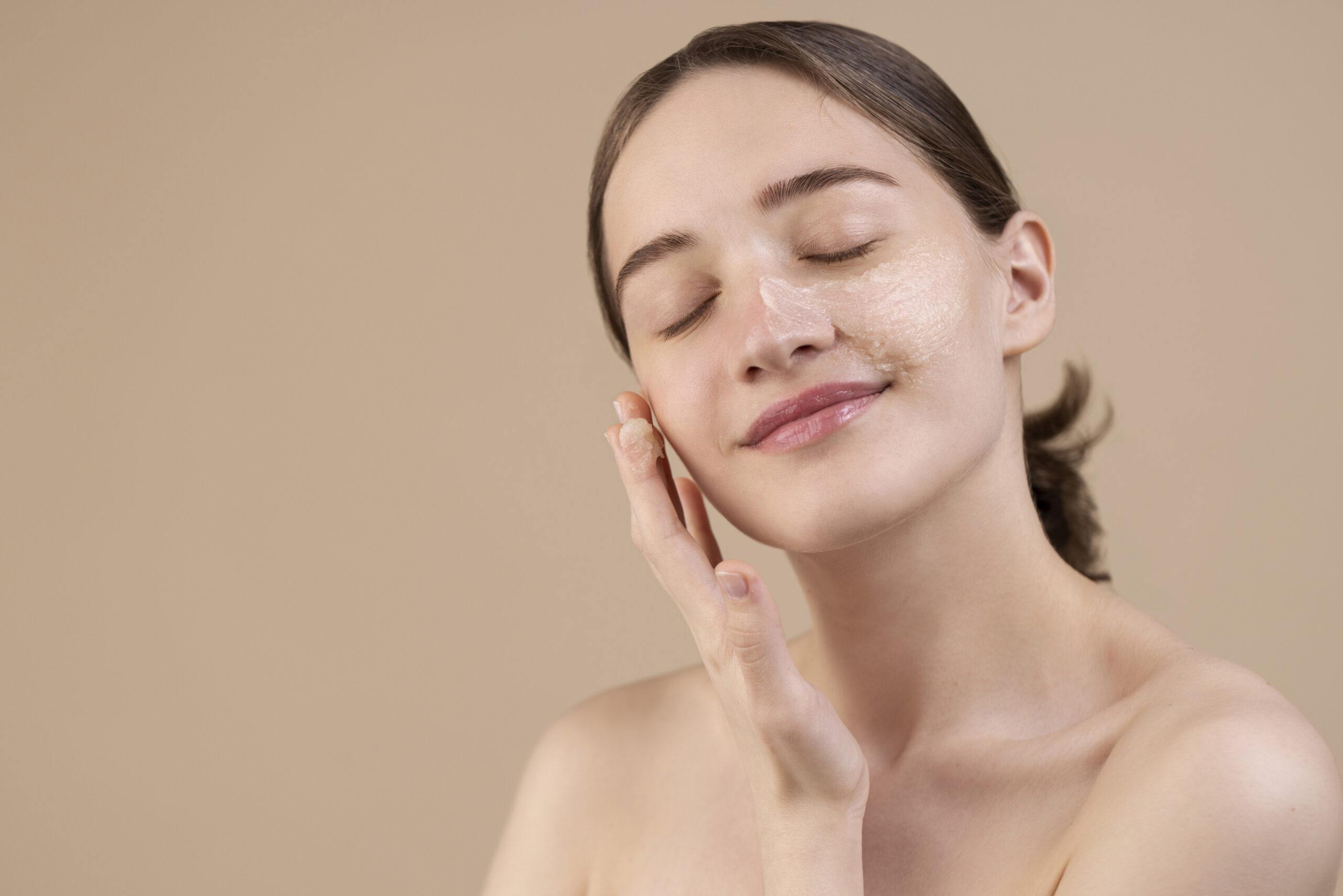
When looking to maintain daily skin hygiene, booking a professional facial treatment provides a gentle way to restore balance and clean deep pores under proper hygienic protocols.
Recognizing High Clinical Standards
Hygiene and operational standards reflect a facility’s commitment to patient safety. Take note of the clinic environment when walking through the door.
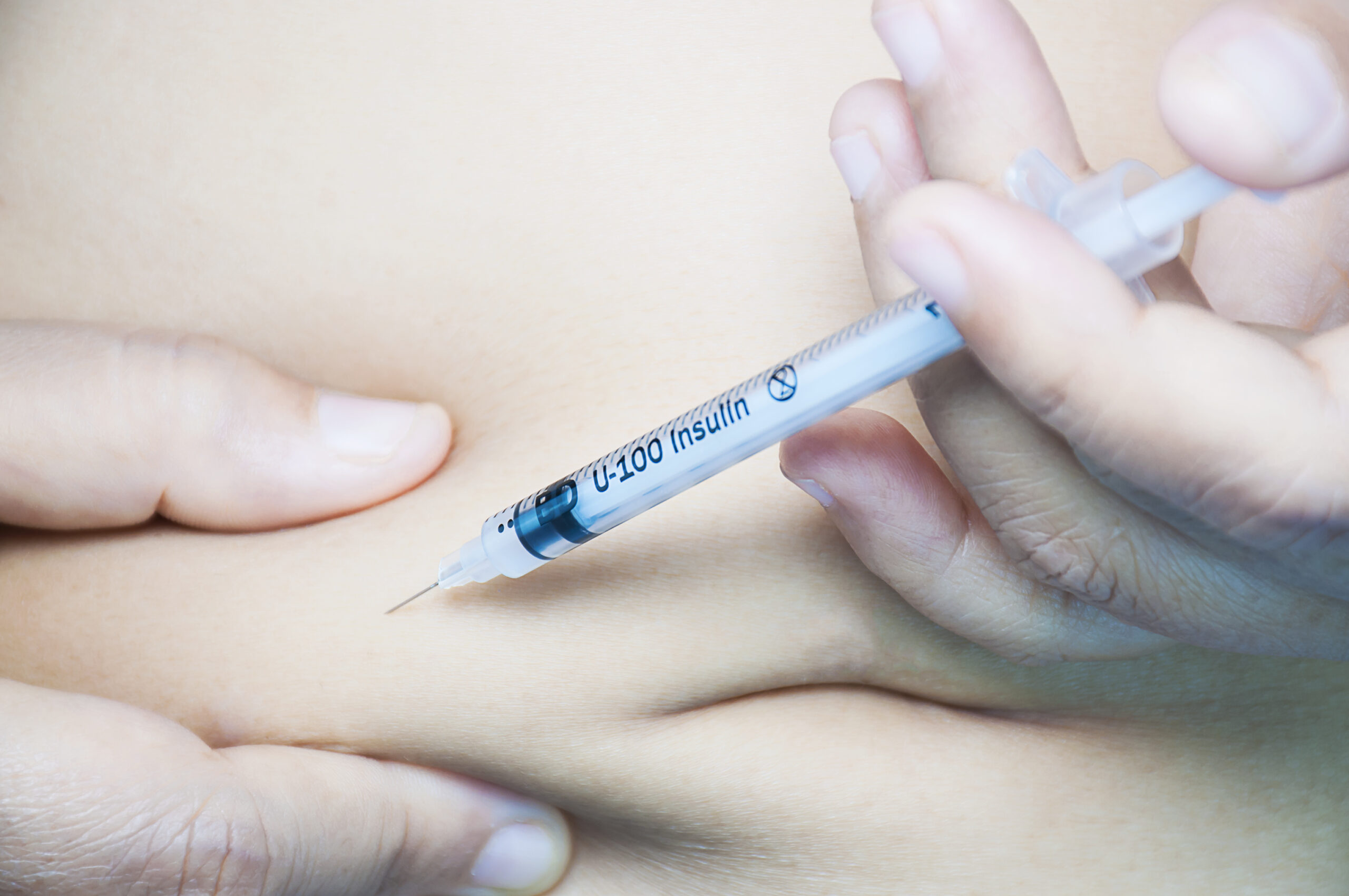
- Sterilization Protocols: Medical instruments must be properly autoclaved, and single-use items (such as needles and syringes) should be disposed of in dedicated biohazard containers.
- Sanitized Treatment Rooms: Procedure rooms should be spotless, quiet, and equipped with modern, medical-grade furniture.
- Staff Hygiene: Doctors and supporting therapists must wear proper protective equipment, including sterile gloves and masks, during treatments.
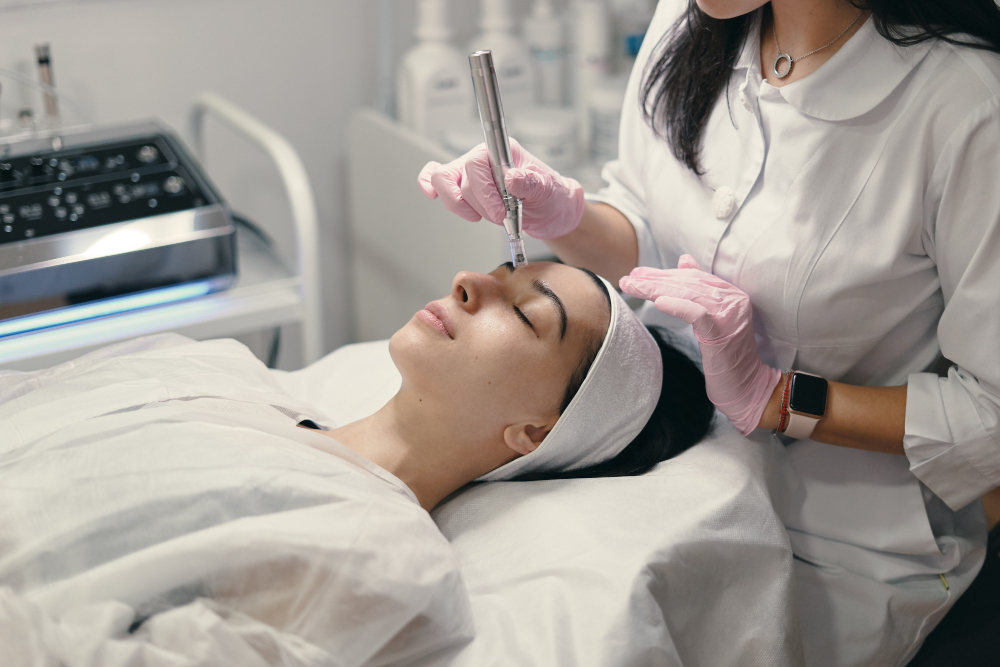
For those interested in deeper cellular skin repair and anti-aging remedies, treatments using salmon dna offer advanced healing and collagen stimulation when administered in a sterile environment by experienced professionals.
Researching Reviews and Online Presence
Online research plays an important role in verifying a clinic’s reputation. Look beyond promotional photos on social media and focus on authentic client feedback on third-party platforms such as Google Reviews.
Look for specific details in patient reviews, such as doctor professionalism, cleanliness, staff friendliness, and post-treatment follow-up quality. Additionally, review the clinic’s authentic before-and-after portfolio. Natural, unedited photos demonstrate the physician’s precision and aesthetic judgment.
Taking these steps ensures you choose a premium aesthetic clinic bali that upholds safety above all else, leaving you with healthy, glowing skin and complete peace of mind.
FAQ
A: Yes, you can easily undergo aesthetic treatments while visiting Bali. However, it is essential to plan ahead regarding sun exposure and downtime. Discuss your travel schedule with your attending doctor during the initial consultation to choose treatments that fit your holiday plans safely.
A: Authentic medical products are registered with BPOM in Indonesia and come in original, sealed boxes. A reliable doctor will show you the product packaging, batch number, and expiration date, unboxing it right in front of you prior to administration.
A: While non-invasive procedures carry significantly lower risks than surgical operations, no medical procedure is completely without risk. Minimal side effects like temporary redness, mild swelling, or slight bruising can occur. Choosing a licensed physician minimizes these risks significantly through proper technique and correct sterile protocols.