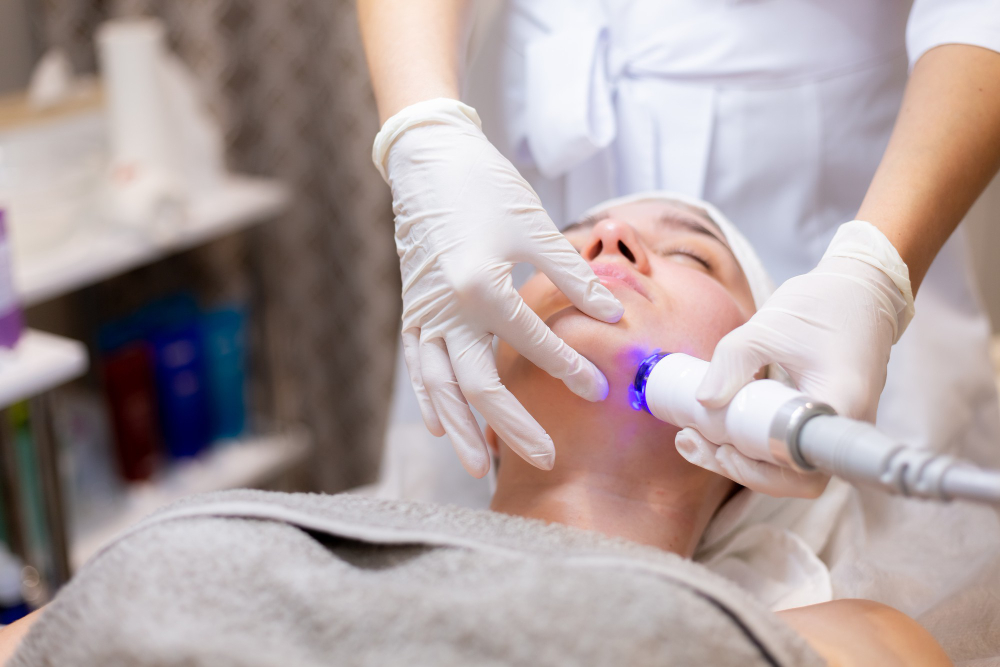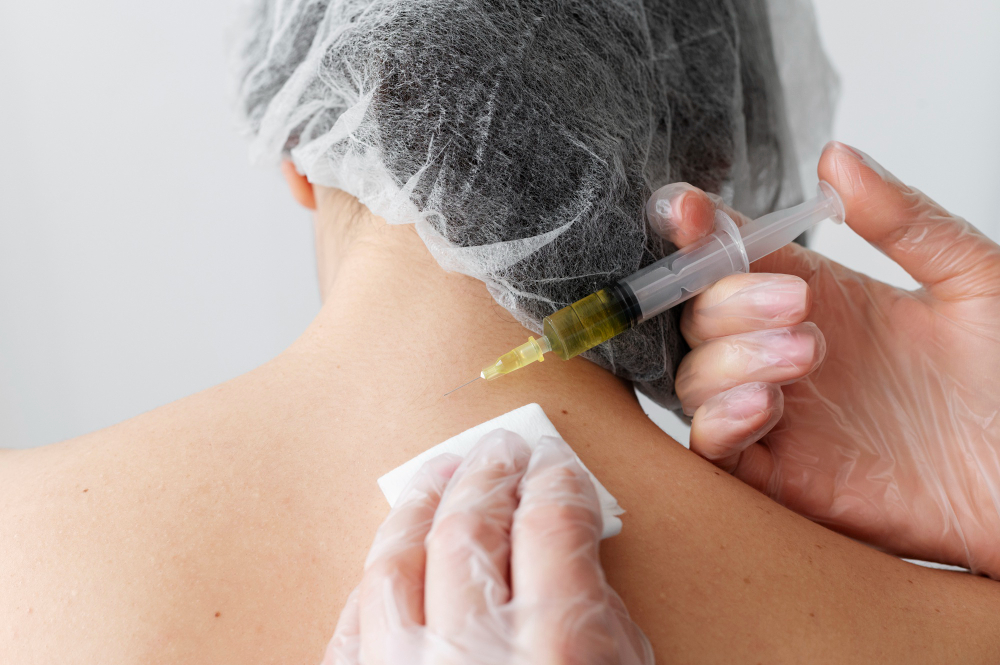


Skin boosters are one of the most misunderstood injectables. Patients often expect one session to deliver the glass-skin look they saw online. Then they feel disappointed when the effect fades faster than expected. The truth becomes clear once you understand how the product works. Skin boosters need a course, not a single treatment. The timeline matters as much as the injection itself.
This guide walks you through the first session, the initial course, and the maintenance phase that follows. You’ll also see why results fade faster in a sun-and-salt-water climate like Bali. And you’ll learn how to calculate the real annual cost before you commit.
What Skin Boosters Actually Do (and Why the Effect Fades)
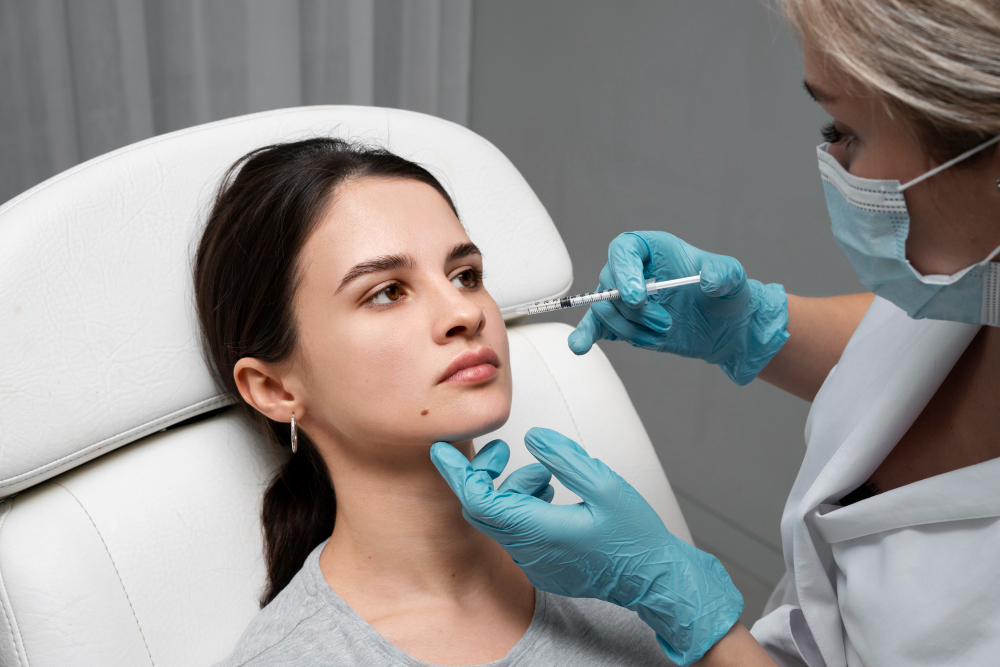
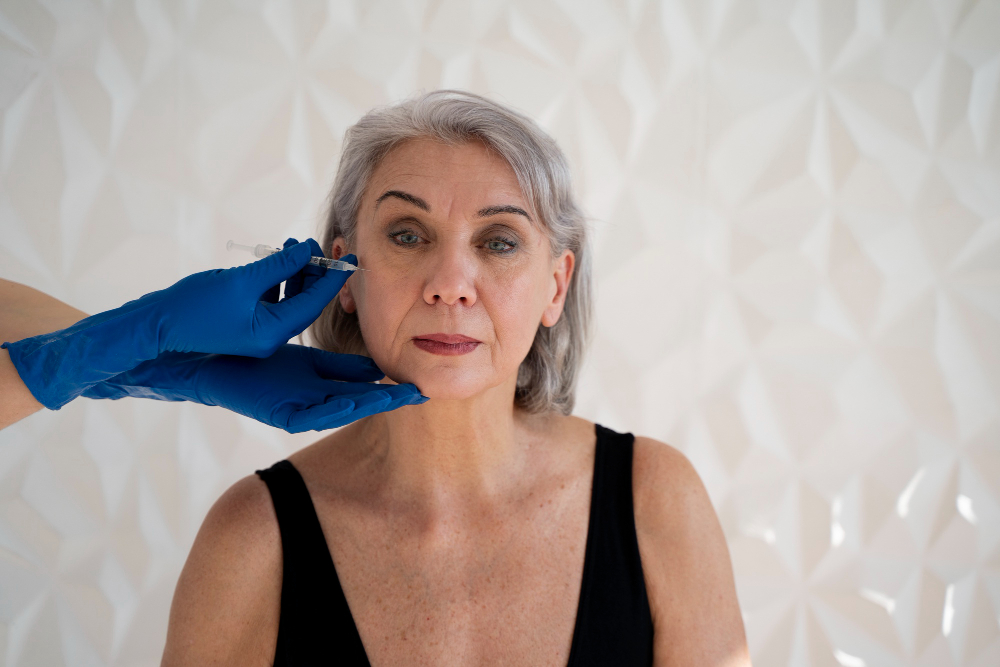
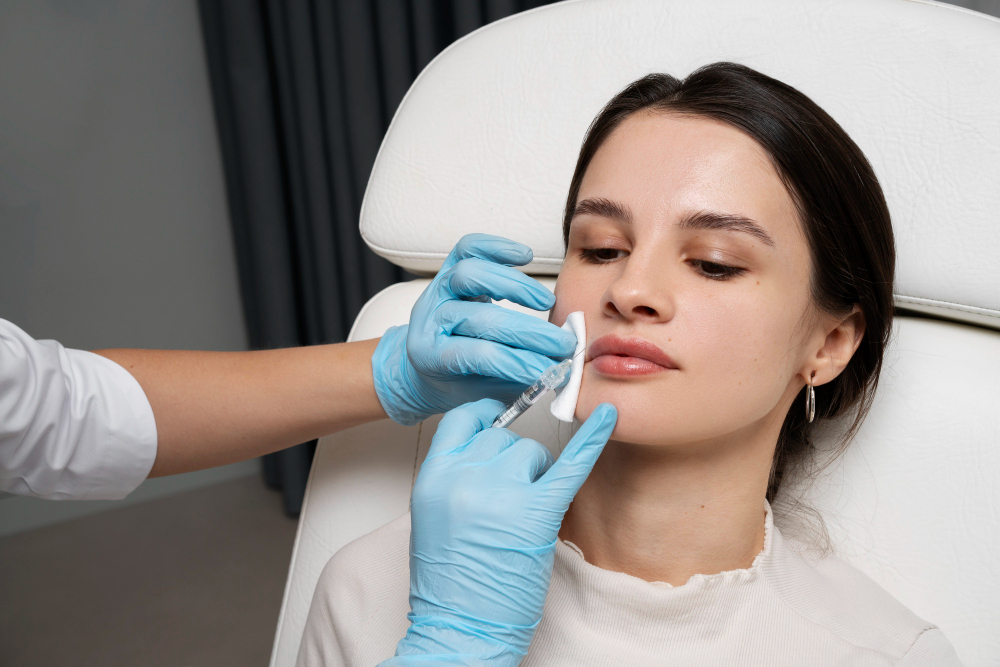
Skin boosters spread hyaluronic acid evenly under the skin through tiny micro-injections. Clinics don’t inject it in one spot like they do with a filler. The goal isn’t volume. It’s hydration from within, better elasticity, and a smoother light reflection across the face. That mechanism differs from a dermal filler, which restores volume or reshapes contour in one area.
Clinics use hyaluronic acid that’s lightly cross-linked for a reason. This lets the product blend into the skin instead of sitting as a visible pocket. But it also means the effect won’t last forever. Over time, enzymes in the skin break down the HA. Hydration levels then drift back toward baseline unless you repeat the course.
The Realistic Timeline: First Session to Maintenance
Most patients notice a mild improvement after the very first session. The skin looks slightly plumper, with a subtle glow within a few days. But one session rarely delivers the full result. Skin boosters work cumulatively, so clinics typically recommend two to three sessions for the initial course, spaced three to four weeks apart.
Each session builds on the last one. The first session lays a foundation of hydration. The second reinforces it, and the third helps the skin hold moisture more consistently. You’ll usually see the full result six to eight weeks after the first injection, once the HA has fully integrated and any swelling has settled.
After the initial course, most patients need maintenance sessions every four to six months. This interval shifts depending on your skin type, the product used, and how you treat your skin day to day. Some patients pair boosters with other face rejuvenation treatments, like medical facials, to keep the skin barrier in better condition overall. That combination often stretches the gap between maintenance visits a little longer.
Why Sun and Salt Water Shorten Results
Climate plays a bigger role than most patients expect. UV exposure speeds up the breakdown of hyaluronic acid in the skin. It also raises oxidative stress, and both factors shorten how long a booster lasts. Constant sun exposure, unavoidable if you live in or visit Bali, means results can fade noticeably faster than they would in a cooler climate.
Salt water and pool chlorine add another layer to this. Frequent swimming dries out the skin’s surface. That dryness disrupts the barrier that helps your skin retain the hydration a booster provides. Surfers and daily swimmers often need maintenance closer to the four-month mark rather than six, simply because their skin faces more drying conditions more often.
None of this means boosters aren’t worth it in a tropical climate. It just means you need to plan the interval around your actual lifestyle. Don’t copy a generic schedule built for a cooler, drier country. A daily sunscreen habit and rinsing salt water off promptly both help stretch results toward that upper six-month window.
Calculating Annual Cost, Not Per-Session Cost
Most patients make one common mistake: they compare skin boosters by price per session. That number looks attractive on its own, but it hides the real commitment. A better approach calculates the annual cost instead. Add the price of the initial course to the number of maintenance sessions you’ll realistically need across a year.
| Stage | Typical Sessions | Interval |
|---|---|---|
| Initial course | 2 to 3 sessions | 3 to 4 weeks apart |
| First year maintenance | 2 to 3 sessions | Every 4 to 6 months after the course |
| Ongoing maintenance (year 2+) | 2 sessions per year | Every 5 to 6 months |
Once you multiply the per-session price by the realistic session count, comparisons become much clearer. This applies whether you’re comparing clinics or comparing boosters to other treatments. Some patients pair a maintenance booster schedule with occasional Botox Bali sessions for expression lines. This combination often works out more cost-effective annually, since the two treatments address different concerns and don’t compete for the same budget.
Ask your clinic directly what interval fits your specific skin type and lifestyle. Don’t assume the manufacturer’s average interval applies to you. A doctor who examines your skin can give you a realistic number based on how you actually live, not a generic brochure figure.
Frequently Asked Questions
A1: A single session typically lasts eight to twelve weeks before hydration noticeably drops. This is why most clinics recommend a short initial course rather than judging results from one appointment.
A2: Usually not quite as long. Constant UV exposure and frequent contact with salt water or chlorinated pools can shorten the interval between maintenance sessions by several weeks.
A3: These treatments address different concerns, so switching isn’t a straight swap. Boosters improve hydration and skin quality broadly, while filler restores volume or contour in one area. Many patients use both on separate schedules.