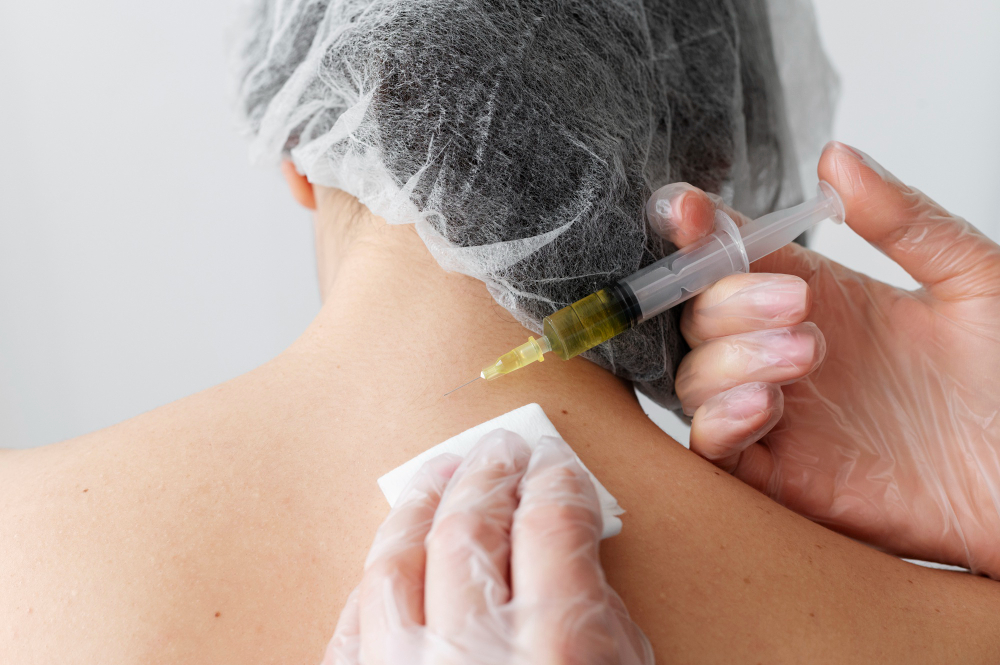

Whitening drips get marketed aggressively across Bali, often with claims that sound closer to a miracle cure than a medical treatment. Patients ask for them expecting dramatic skin lightening after a single session. The reality sits somewhere between the marketing and total skepticism, and understanding that gap matters before you spend money on a treatment that won’t deliver what you’re hoping for.
This guide separates the evidence from the hype. It covers what vitamin infusions genuinely do for brightness, hydration, and recovery, and where a drip supports a treatment plan rather than replacing one entirely.
What’s Actually in a Vitamin Infusion
Most vitamin drips marketed for skin combine a base of saline or fluid with vitamin C, glutathione, and sometimes B-complex vitamins or collagen boosters. Glutathione gets the most attention because it’s the ingredient behind most whitening claims. It’s an antioxidant your body already produces, and it plays a role in reducing oxidative stress and supporting the liver’s detox pathways.
The whitening claim comes from glutathione’s effect on melanin production. In theory, higher glutathione levels can shift melanin synthesis toward a lighter pigment type. In practice, the evidence for meaningful, visible skin lightening from IV glutathione remains thin and inconsistent. Some small studies show mild changes with sustained, repeated dosing over months. A single session, or even a short course, rarely produces the dramatic brightening seen in before-and-after marketing photos.
Vitamin C works differently and has stronger backing. It supports collagen synthesis and acts as an antioxidant, which can genuinely improve how the skin looks and feels when levels are adequate. B-complex vitamins support energy metabolism and general wellbeing, which indirectly shows up in skin appearance when someone’s been run down, dehydrated, or nutrient-depleted.
What Drips Genuinely Do Well
Where IV drips earn their reputation is hydration and recovery, not pigment change. Direct fluid delivery bypasses the digestive system, so hydration reaches the bloodstream faster than drinking water alone. This matters after long flights, heavy sun exposure, or a stretch of poor sleep and alcohol, all common in a place like Bali where travel and heat both dehydrate the body quickly.
Recovery support is the other genuine benefit. Patients who’ve had a demanding week, whether from travel, illness, or overtraining, often report feeling noticeably better within a day of a drip. This isn’t skin-specific, but visible skin quality does improve when the body overall is well-hydrated and nutritionally supported. Tired, dehydrated skin looks duller and shows fine lines more prominently, so addressing the root cause through hydration genuinely helps appearance, even without any pigment-altering effect.
Antioxidant support from vitamin C and glutathione also helps skin recover from UV stress, which matters constantly in a tropical climate. This isn’t the same as reversing existing pigmentation or achieving lighter skin, but it does support the skin’s ability to manage daily oxidative damage.
Where a Drip Supports a Treatment Plan, Not Replaces One
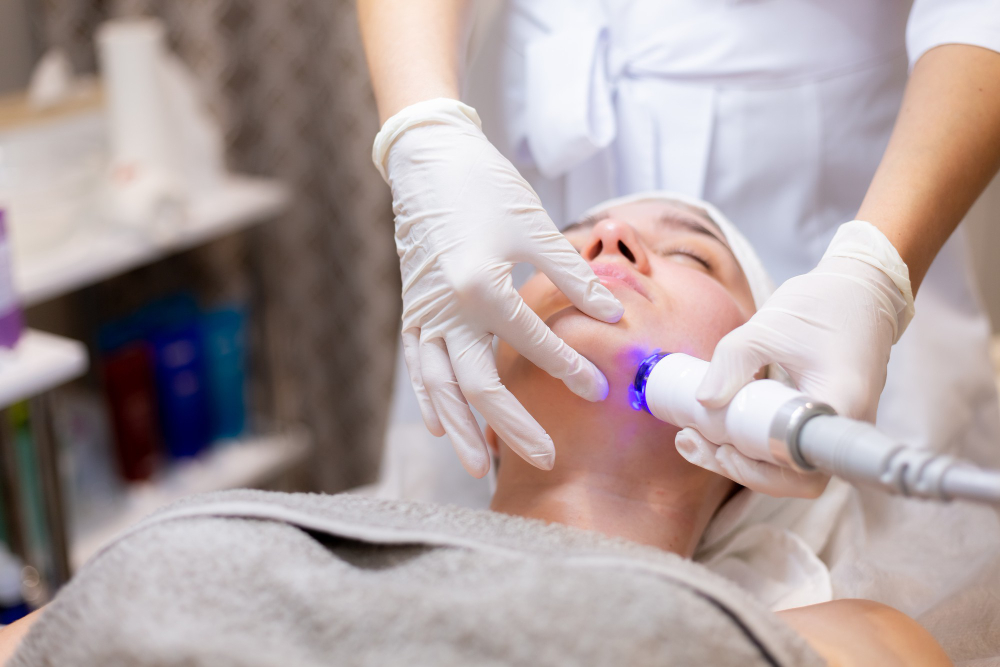
The clearest use case for IV drips is as a supporting layer alongside actual skin treatments, not as a standalone fix for pigmentation or texture concerns. Patients preparing for an event often combine a drip with a skin booster session, since the hydration boost from the IV complements the deeper hydration the booster delivers to the skin itself. Neither replaces the other, but together they can improve how the skin looks and feels heading into a specific date.
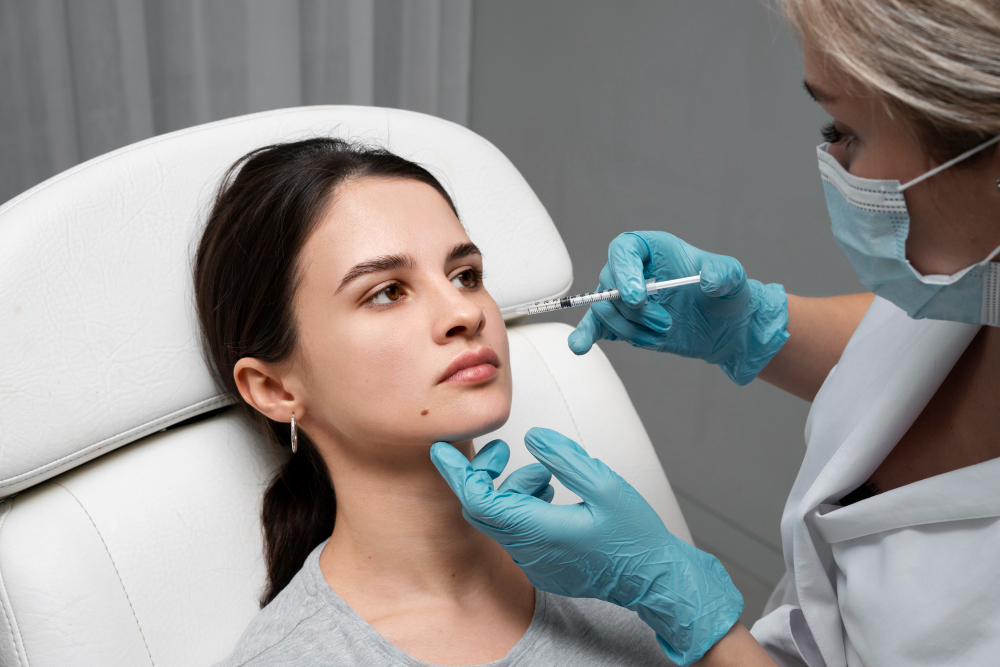
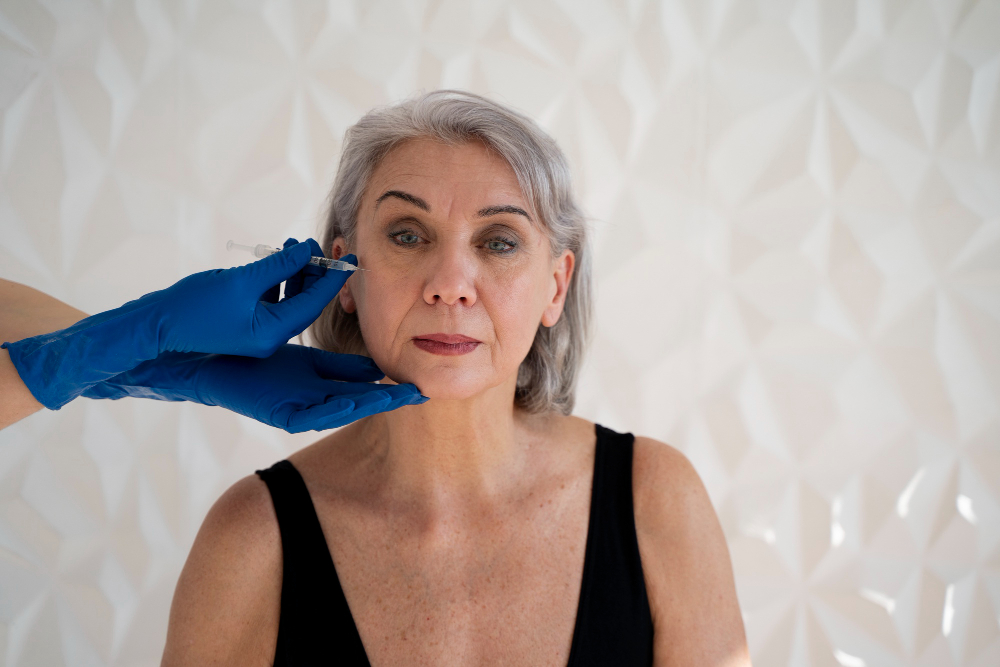
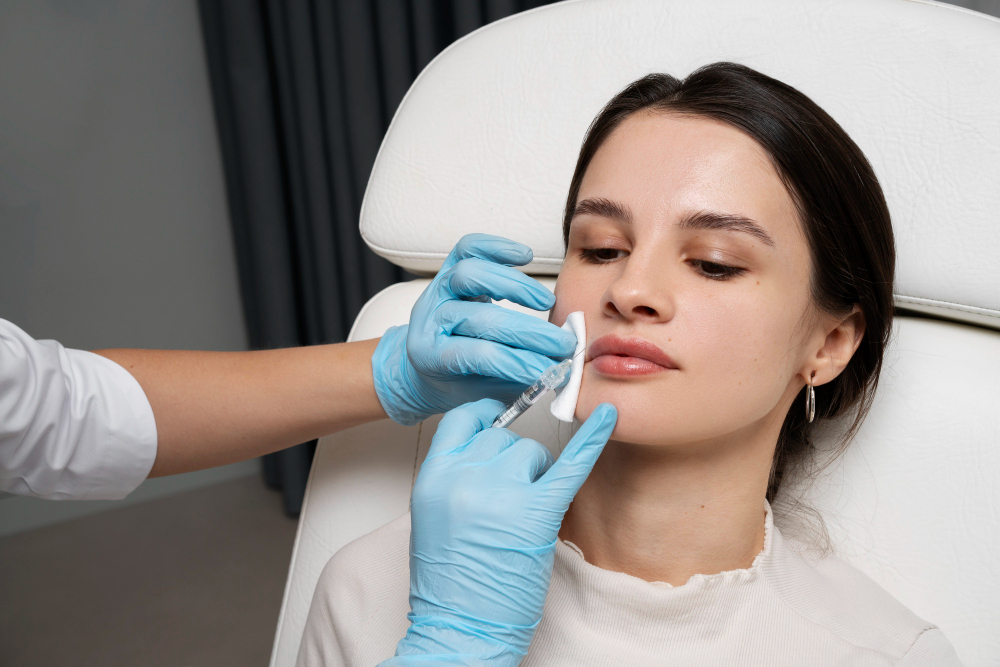
The same logic applies to recovery after more involved procedures. Patients who’ve had jawline contouring or another injectable treatment sometimes add a drip afterward to support general recovery and reduce the fatigue that can follow a longer clinic visit, especially when combined with travel. It won’t speed up how the filler settles, but it can make the recovery period feel more comfortable.
Understanding this distinction protects you from disappointment. A drip won’t fix melasma, won’t erase sun spots, and won’t replace a proper pigmentation treatment plan. What it does well is support hydration and general skin condition, which forms a reasonable foundation underneath other treatments rather than a substitute for them.
Comparing What Each Ingredient Actually Delivers
| Ingredient | Marketed Claim | Realistic Effect |
|---|---|---|
| Glutathione | Skin whitening/brightening | Mild antioxidant support; limited evidence for visible lightening from short courses |
| Vitamin C | Brightness, collagen support | Genuine antioxidant and collagen synthesis support with adequate dosing |
| B-complex vitamins | Energy, glow | Supports overall energy and wellbeing, indirect effect on skin appearance |
| Fluid/saline base | Instant hydration | Fast rehydration, useful after travel, sun exposure, or dehydration |
Patients considering IV drips Bali should treat the whitening claim with healthy skepticism while still recognising the genuine hydration and recovery benefits on offer. A doctor can explain honestly which ingredients suit your goals rather than selling the treatment on an exaggerated promise.
Frequently Asked Questions
A1: Marketing often implies one session is enough, but meaningful pigment changes, if they occur at all, typically need a sustained course over several weeks or months. A single session mainly delivers hydration and antioxidant support rather than visible whitening.
A2: Generally yes, when administered by trained medical staff using registered products. However, frequent high-dose glutathione use has raised safety questions in some studies, so it’s worth discussing frequency and dosing with a doctor rather than booking drips on a whim.
A3: No. A drip supports hydration and general skin condition, but it doesn’t replace a targeted pigmentation treatment plan. If you’re dealing with melasma, sun spots, or uneven tone, a proper in-clinic assessment gives you a more reliable path to visible change.