

Aging is a natural, beautiful part of life, but the sudden appearance of fine lines, especially around the eyes, mouth, and forehead—often leads people to reconsider their skincare strategy. While over-the-counter creams, serums, and moisturizers work well for daily hydration and basic barrier protection, they have structural limits.
Topical formulas primarily target the epidermis (the outermost layer of the skin), whereas deeper structural changes require targeted, professional interventions. Understanding how clinical therapies work at a cellular level empowers you to make informed decisions about your skin health without falling for quick-fix promises.
The Science Behind Fine Lines: Why Do They Form?
Before exploring solutions, it helps to understand why fine lines develop in the first place. Fine lines are early indicators of structural shifts within the skin’s dermal layer.
Several factors contribute to their development:
- Collagen and Elastin Depletion: Starting in our mid-20s, natural collagen production decreases by roughly 1% each year. Collagen provides structural support, while elastin allows skin to snap back into place.
- Repetitive Facial Expressions: Squinting, smiling, and frowning cause underlying muscles to contract. Over time, skin loses the resilience needed to bounce back, turning dynamic lines into static ones.
- Environmental Damage: Photoaging from UV exposure generates free radicals, breaking down healthy skin fibers at an accelerated rate.
- Dehydration and Skin Barrier Function: As skin ages, its ability to retain moisture diminishes, making fine, shallow creases far more noticeable.
How Professional Treatments Address Aging at the Core
Over-the-counter products act as surface shields, but clinical therapies penetrate deeper, triggering the body’s innate healing mechanisms. Instead of merely masking fine lines, professional procedures stimulate collagen synthesis, accelerate cell turnover, and restore structural density.
When visiting a medical-grade skin care clinic, practitioners assess your specific skin architecture to recommend therapies that match your skin’s precise needs.
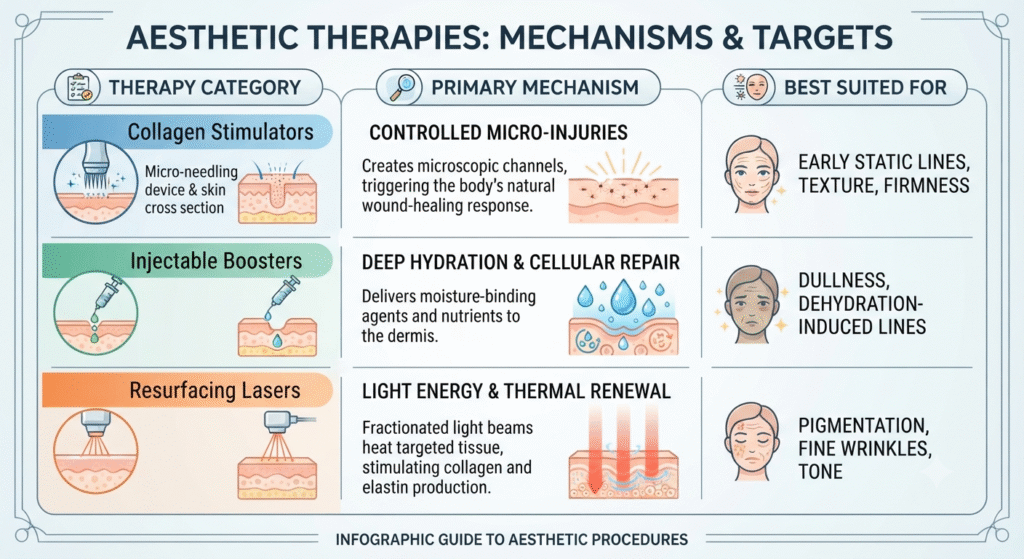
1. Rebuilding Collagen Through Controlled Renewal
One of the most effective ways to treat early signs of aging is by encouraging skin to repair itself. Treatments such as microneedling, radiofrequency (RF), and laser therapy create micro-thermal or mechanical stimulation within the dermis.
This process signals the body to release growth factors, which in turn produce fresh collagen and elastin. Over a series of sessions, the underlying matrix thickens, gradually smoothing out visible fine lines from within.
2. Deep Hydration and Cellular Repair
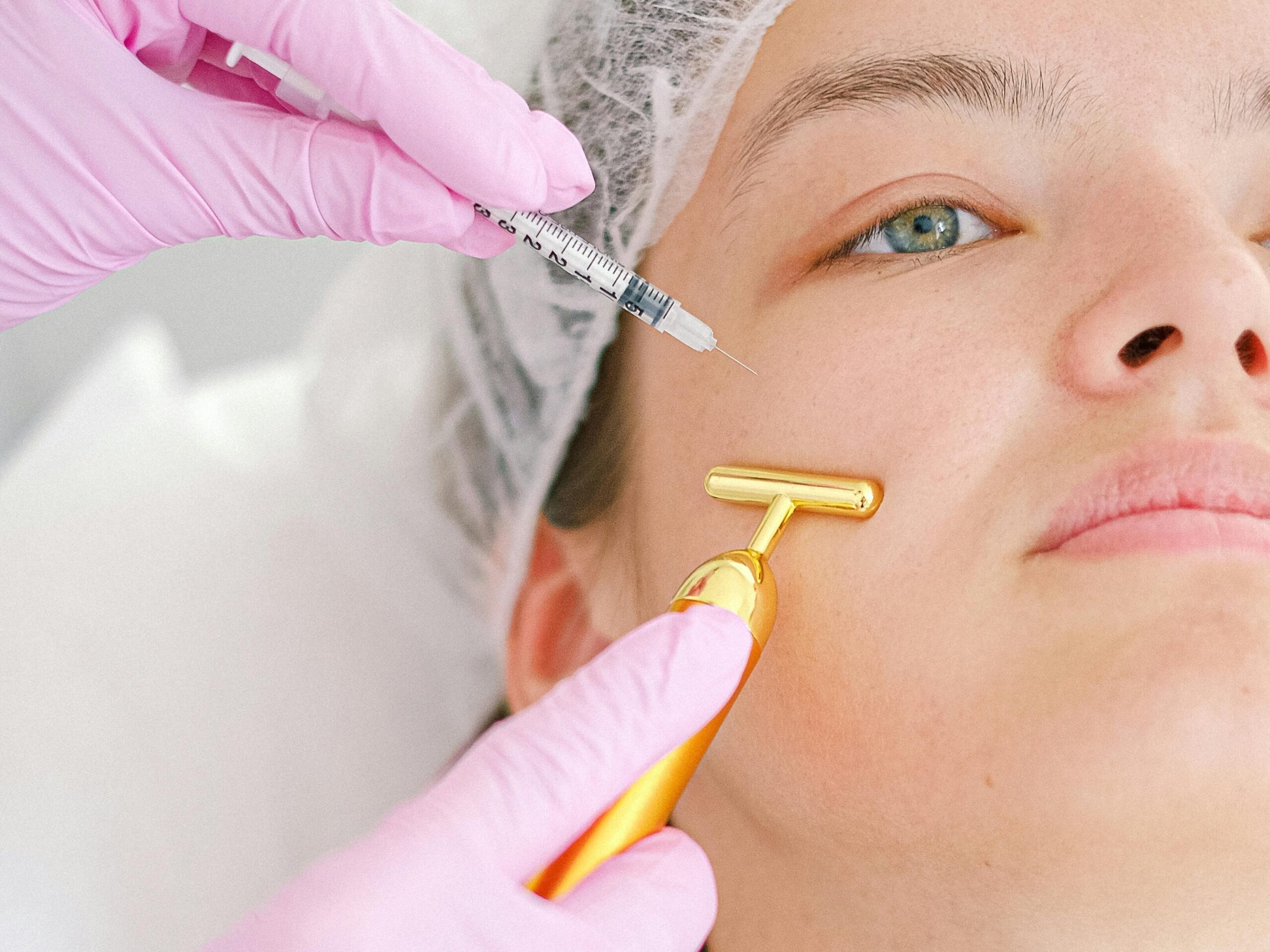
Surface hydration often falls short when dealing with persistent fine lines caused by underlying moisture loss. Advanced injectable treatments bridge this gap by delivering active nutrients and hydrating agents directly into the dermal layer.
A prime example is the use of polynucleotides, such as a rejuran skin booster, which goes beyond basic hydration. Polynucleotide molecules derived from biological sources help repair damaged cellular structures, improve micro-circulation, and promote a thicker, more resilient dermal matrix. Rather than adding temporary volume, these treatments focus on bio-rejuvenation, making the skin naturally smoother and firmer.
3. Targeted Energy and Light Modalities
Light-based devices, including fractional lasers and Intense Pulsed Light (IPL), address fine lines alongside skin tone irregularites. By delivering precise wavelengths into target layers, these devices shed damaged outer cells while heating the deeper tissues to encourage structural remodeling.
Choosing the Right Path for Your Skin Goals
No single procedure fits every individual. Achieving natural, long-lasting results requires a tailored combination of modalities based on your age, skin type, lifestyle, and specific aesthetic goals.
Consulting a practitioner experienced in modern face treatments ensures your plan remains safe, balanced, and effective. A holistic regimen typically blends preventative in-clinic procedures with consistent home care and sun protection to maintain structural integrity over time.
FAQ
Dynamic lines appear only during facial movements, such as laughing or frowning. Static lines remain visible even when your face is completely relaxed, indicating deeper structural changes in collagen levels.
Yes. Modern clinical procedures are highly customizable. Practitioners adjust intensity levels, needle depths, or energy parameters to accommodate delicate or sensitive skin types safely.
While subtle improvements in hydration and texture appear shortly after initial treatments, most structural therapies require a series of 3 to 4 sessions spaced weeks apart to allow new collagen to mature.
No. Clinical treatments and home routines work synergistically. In-clinic therapies focus on deep structural repair, while a daily home routine protects the skin barrier, maintains hydration, and shields against UV damage.