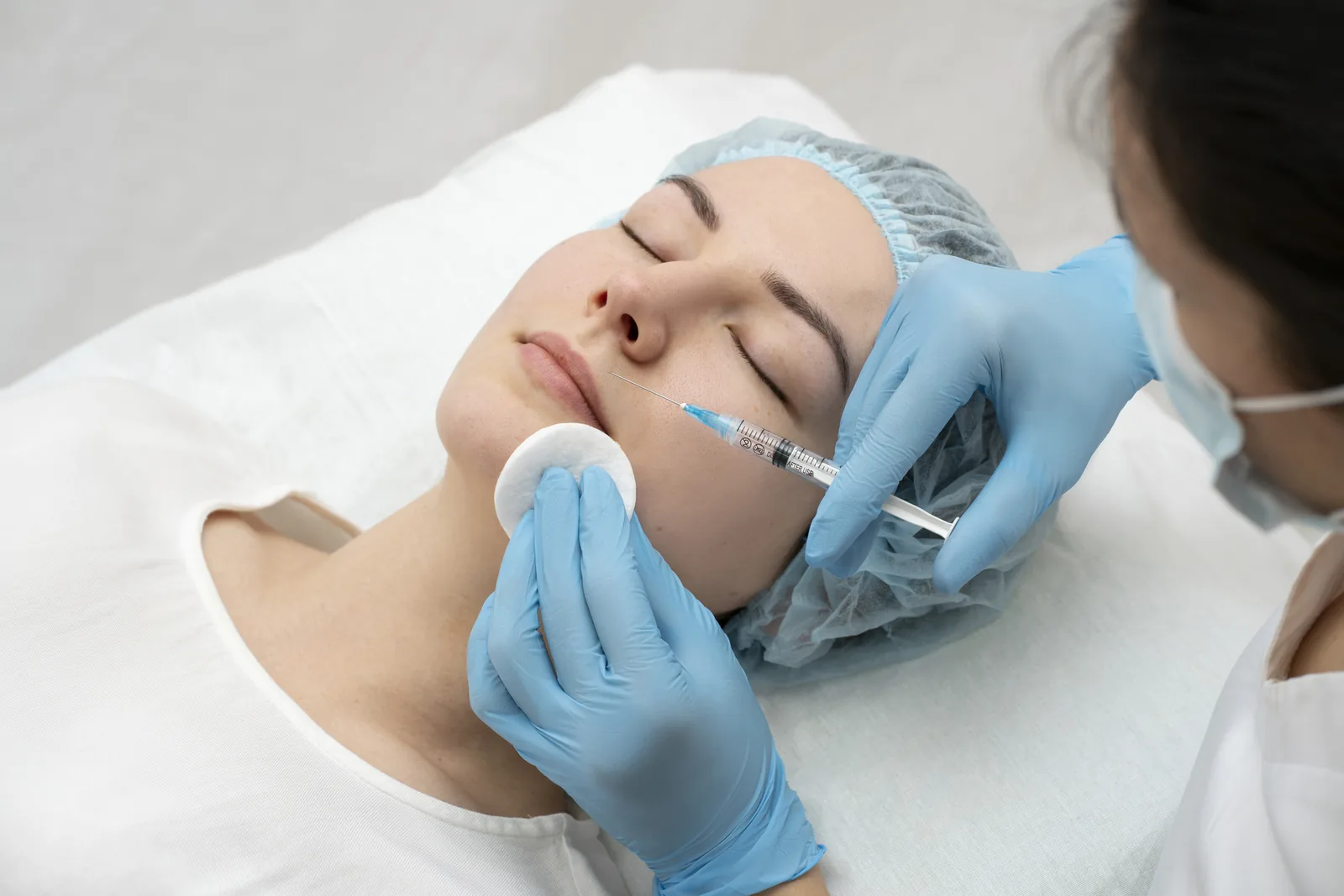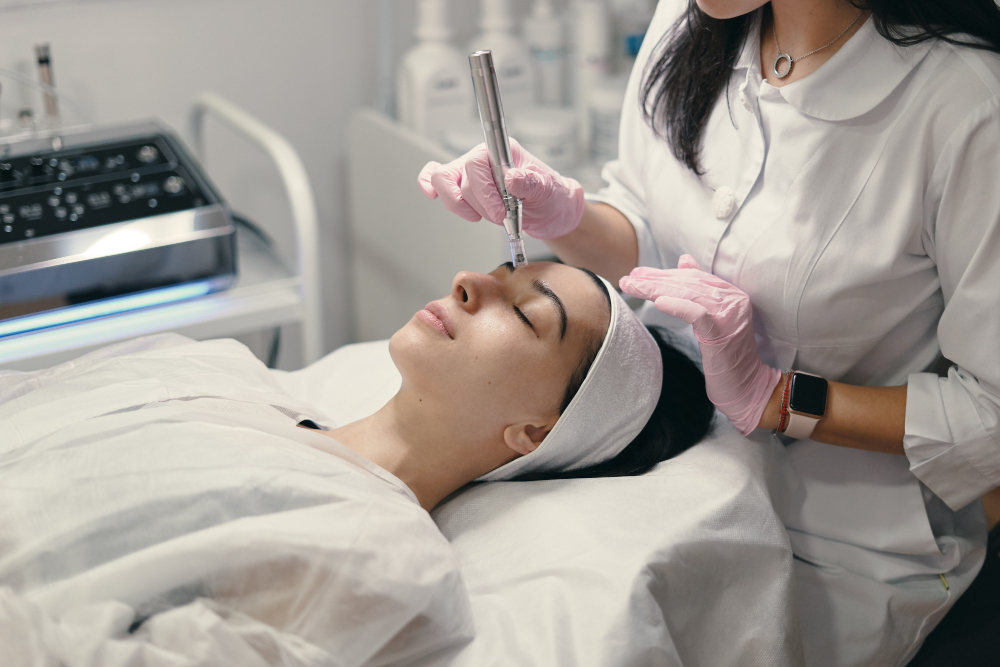



Choosing between dozens of facial menus online can feel overwhelming. That’s exactly why certified skin specialists don’t start with a treatment menu at all — they start with your skin. Before applying any serum or switching on a device, a specialist runs a proper clinical evaluation. That evaluation determines which face treatments will actually move the needle for your hydration, tone, texture, and long-term skin health. It’s not about guessing based on trends or copying what worked for someone else.
Why Personalized Face Treatments Start With a Clinical Skin Assessment?
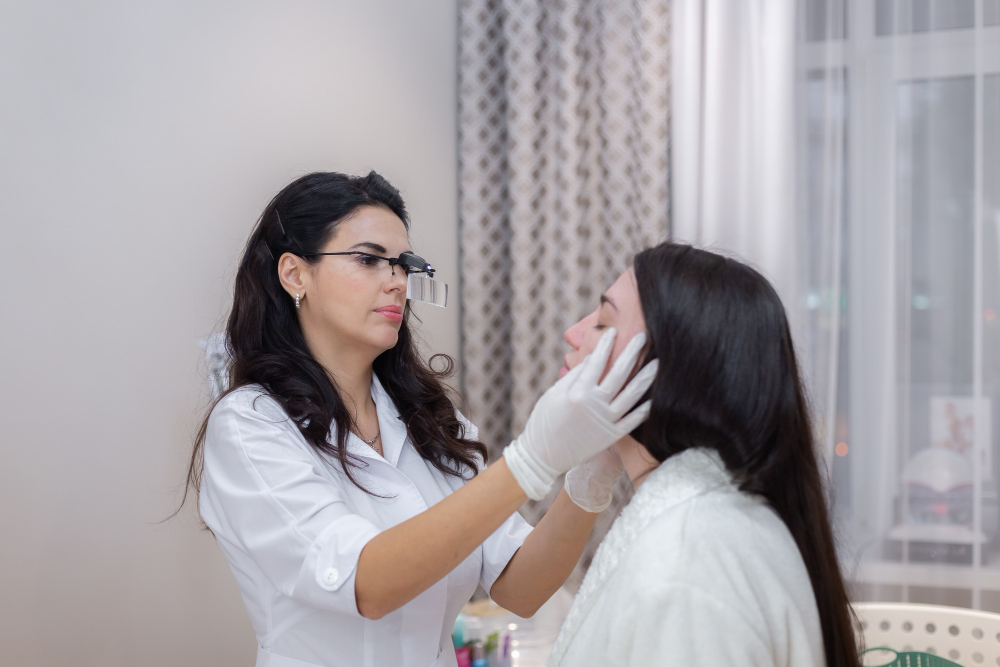
Every effective facial program begins with a structured consultation, not a product catalog. During this initial assessment, a specialist performs skin typing, maps out specific concerns, and reviews your medical history to flag any allergies, medications, or conditions that could affect treatment choice.
This is also where hydration levels, skin elasticity, pigmentation patterns, and sensitivity are tested directly on your skin, often using tools like moisture meters and magnified skin analysis, rather than relying on a client’s self-description alone. That distinction matters because generic protocols are built for an “average” skin type that doesn’t actually exist. Two clients with the same visible concern, say, dullness, can have completely different underlying causes, and treating both the same way typically underperforms compared to a plan built from real diagnostic data.
1. Understanding Your Skin Concerns
The specialist starts by listening: breakouts, dullness, fine lines, redness, or uneven texture are each investigated separately, since two concerns that look similar on the surface often need very different corrective approaches.
2. Assessing Your Skin Type and Condition
Using visual inspection and diagnostic tools, the specialist classifies your skin as oily, dry, combination, or sensitive, then layers in condition-specific factors such as current inflammation, barrier strength, and hydration reserves.
3. Understanding Your Goals and Lifestyle
A clinical picture is only half the story. Your specialist also asks about your routine, sun exposure, stress levels, and what results matter most to you, since a busy schedule or frequent travel can change which protocol is realistic to maintain.
4. Reviewing Your Skincare and Treatment History
Past procedures, including chemical peels, laser sessions, or injectables, along with any active skincare ingredients you’re currently using (retinoids, acids, or prescription topicals), are reviewed to avoid overlapping actives, unnecessary downtime, or reduced treatment effectiveness.
5. Selecting the Right Facial Protocol
Once the assessment is complete, the specialist matches your profile to a protocol designed for your specific combination of concerns, rather than defaulting to a popular or seasonal treatment.
6. Adjusting Treatment Intensity
Strength, depth, and frequency are calibrated to your skin’s tolerance. A first-time client with reactive skin will receive a noticeably gentler version of the same protocol given to someone with a stronger barrier and treatment history.
7. Aftercare and Follow-up
Customization doesn’t end when you leave the treatment room. Specialists provide aftercare instructions specific to what was done, then track your skin’s response at the next visit to fine-tune the plan going forward.
How Specialists Match Treatments to Skin Goals
Once your assessment is complete, the specialist maps your results to a protocol category. A rejuran treatment, for example, is typically positioned for clients focused on elasticity and long-term skin regeneration, while a hydration-focused facial addresses barrier repair and moisture loss more directly. The table below outlines how these focus areas generally compare.
| Protocol Focus | Primary Goal | Common Techniques | Best Suited For |
| Hydration-Focused | Restore moisture barrier & plumpness | Hyaluronic infusion, hydrafacial, sheet masking | Dry, dehydrated, or flaky skin |
| Anti-Aging | Improve elasticity & reduce fine lines | Rejuran treatment, microneedling, collagen stimulation | Sagging skin, early signs of aging |
| Brightening | Even tone & reduce pigmentation | Chemical peels, vitamin C infusion, laser toning | Dullness, sun spots, uneven tone |
| Sensitivity-Calming | Reduce redness & reactivity | Soothing enzyme masks, barrier-repair serums | Reactive, easily irritated skin |
Remember, treatment selection isn’t product-based, it’s assessment-based. A specialist doesn’t choose a protocol because it’s trending or because a product line is being promoted that month. The choice is anchored to what your skin’s diagnostic data actually shows, which is also why the same concern can lead to different treatment plans for different people.
What to Expect at a Trusted Aesthetic Clinic Bali?
If you’re visiting or living in Bali, you may be searching for a reliable aesthetic clinic bali clients can rely on. Expect a consistent first-visit flow. It generally includes a private consultation, a skin diagnostic session, a discussion of realistic timelines, and a written or digital record of your treatment plan.
A trustworthy clinic will never rush this step or skip the assessment to get you into a treatment chair faster. You should expect clear explanations of why your specialist recommends a specific protocol, along with transparent pricing before any procedure begins. You should also get the chance to ask questions about downtime, expected results, and how many sessions you’ll realistically need.
This consultation-first approach protects local and visiting clients alike. It matters most if you’re combining facial therapy with other procedures, sun exposure from beach days, or a tighter travel timeline than a typical multi-week program allows for.
Maintenance Tips for Sustaining Results Between Sessions
The results of any professional facial protocol are extended, or shortened, by what you do at home between visits. A few habits consistently support the outcomes discussed above:
- Follow your specialist’s exact aftercare routine for your protocol. A hydration-focused facial and a brightening treatment call for different post-care products.
- Maintain consistent SPF use, especially after treatments involving exfoliation, peels, or laser toning. Your skin stays more vulnerable to sun damage during this window.
- Avoid introducing new active ingredients (retinoids, strong acids) in the days right after a session. Wait for your specialist’s approval first.
- Keep hydration levels up internally and topically, particularly if your assessment flagged low moisture reserves.
- Book follow-up sessions on the schedule your specialist recommends, rather than stretching intervals based on convenience alone.
These habits don’t replace professional treatment, but they do help preserve the specific results your protocol was designed to deliver, whether that’s smoother texture, improved elasticity, or a more even tone.
Generic facial menus can only take your skin so far. If you want a plan built around your actual skin data rather than a seasonal trend, book a personalized skin assessment with a certified skin specialist and start your next facial therapy with a protocol that’s genuinely designed for you.
Frequently Asked Questions
A: Certified skin specialists base every recommendation on a clinical assessment that maps your skin type, hydration levels, sensitivity, and goals, rather than applying a one-size-fits-all protocol.
A: Yes. Even for returning clients, a brief check-in helps the specialist confirm your skin hasn’t changed and that the chosen protocol, such as a rejuran treatment or brightening facial, still fits your current condition.
A: Most personalized programs run every 3 to 6 weeks, though your specialist will set an exact schedule based on your skin’s response, treatment intensity, and long-term goals.
A: Absolutely. One core benefit of working with a certified specialist is the ability to modify intensity, ingredients, or frequency in real time based on how your skin responds.
A: Not always, but your specialist will review your current routine and any recent procedures during the consultation to avoid overlapping active ingredients or downtime conflicts.