
Achieving a healthy, glowing complexion often feels like a balancing act. With endless skincare routines circulating online, two steps frequently take center stage: hydration and exfoliation. While both are crucial for maintaining skin health, they fulfill entirely different needs.
If your skin feels dull, flaky, tight, or prone to breakouts, you might wonder: Should I reach for a hydrating serum or a resurfacing scrub?
Using the wrong treatment can sometimes aggravate existing issues. Applying a heavy moisturizer to severely congested skin won’t clear clogged pores, just as over-exfoliating dry, compromised skin will only cause redness and irritation. To build a routine that yields real results, it helps to understand what each process does and how to recognize what your skin is asking for.
Understanding the Core Difference: Hydration vs. Exfoliation
To determine what your skin needs today, it helps to break down how hydration and exfoliation work at a cellular level.
What Is Skin Hydration?
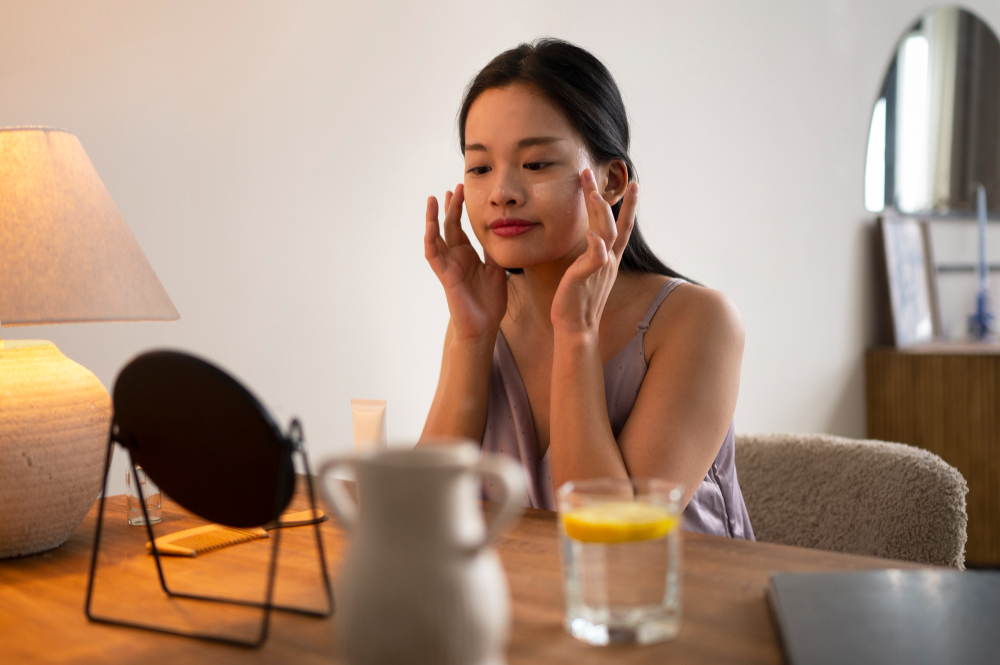
Hydration refers to increasing the water content within your skin cells. hydrated skin looks plump, smooth, and elastic. When skin cells lack water, the skin barrier becomes compromised, leading to dehydration. Key ingredients that boost hydration include humectants like hyaluronic acid, glycerin, and aloe vera, which pull moisture from the environment into the upper layers of the skin.
What Is Skin Exfoliation?
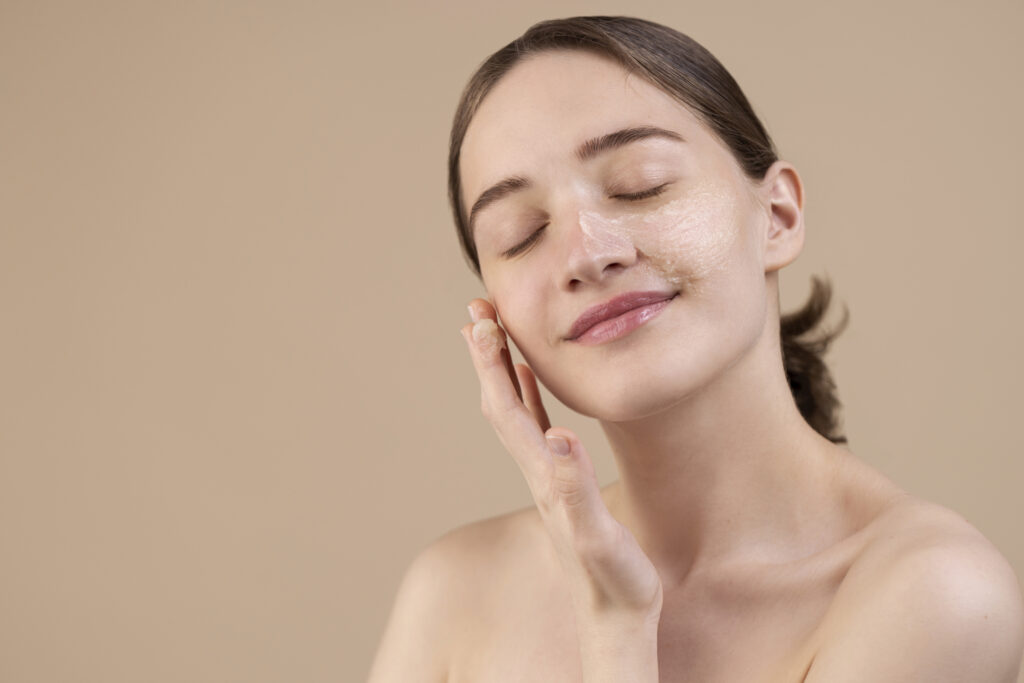
Exfoliation is the process of removing dead skin cells from the outermost surface layer (the stratum corneum). Naturally, your skin sheds dead cells every 28 to 40 days, but this process slows down due to aging, sun exposure, and environmental stressors. Exfoliation uses chemical agents (like AHAs, BHAs, or enzymes) or physical particles to slough off those dead cells, revealing fresher, smoother skin underneath.
Signs Your Skin Is Screaming for Hydration
Dehydrated skin is a condition, not a skin type. That means even oily or acne-prone skin can suffer from a lack of water. Here are the most common signs that your skin needs deep hydration:
- Tightness or Discomfort: Your skin feels taut, especially right after cleansing.
- Exaggerated Fine Lines: Dehydration causes fine lines around the eyes and mouth to look more prominent.
- Dull, Shadowy Appearance: Lack of moisture robs the skin of its natural radiance and light-reflecting quality.
- Increased Sensitivity and Redness: A weakened moisture barrier makes skin react easily to products and weather changes.
- Oily Yet Flaky Surface: When skin is dehydrated, it often overproduces sebum to compensate, resulting in an oily sheen paired with dry patches.
Hydration vs. Exfoliation: A Direct Comparison
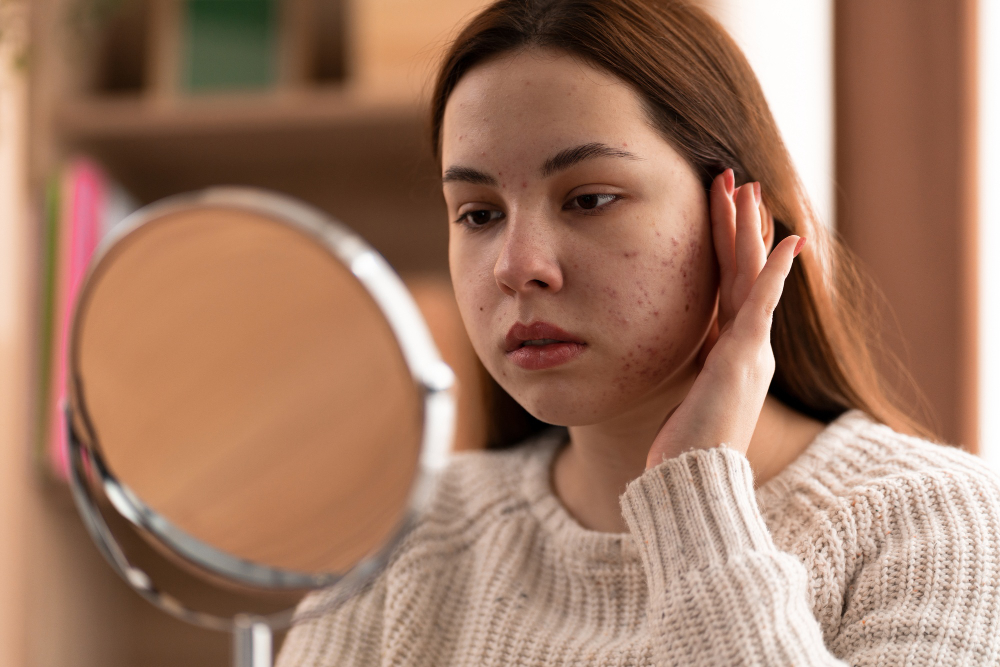
When dead skin cells accumulate on the surface faster than they can shed, your skin’s texture and clarity suffer. You likely need exfoliation if you notice:
- Uneven Makeup Application: Foundation clings to dry patches or settles into rough textures.
- Rough or Bumpy Texture: Your skin feels uneven to the touch rather than smooth.
- Clogged Pores and Blackheads: Excess dead skin mixes with oil, trapping debris inside pores.
- Persistent Dullness: Old cells sit on top of the skin, preventing natural luminosity from showing.
- Product Ineffectiveness: Serums and moisturizers sit on top of your skin without absorbing properly.
Hydration vs. Exfoliation: A Direct Comparison
| Feature | Hydration | Exfoliation |
| Primary Goal | Increase water content in skin cells | Remove dead skin cells & unclog pores |
| Key Ingredients | Hyaluronic acid, glycerin, ceramides | Glycolic acid, salicylic acid, lactic acid |
| Best For | Tightness, fine lines, dullness, sensitivity | Rough texture, clogged pores, hyperpigmentation |
| Frequency | Daily (Morning & Evening) | 1 to 3 times per week (depending on skin type) |
| Main Benefit | Restores skin barrier and elasticity | Smooths surface texture and clears pores |
Can You Do Both? How to Balance Hydration and Exfoliation
You do not have to choose between hydration and exfoliation permanently. In fact, they work best as a team. Exfoliating removes the barrier of dead skin cells, allowing your hydrating serums and moisturizers to penetrate deeper and work more effectively.
Here is how to safely balance both in your weekly routine:
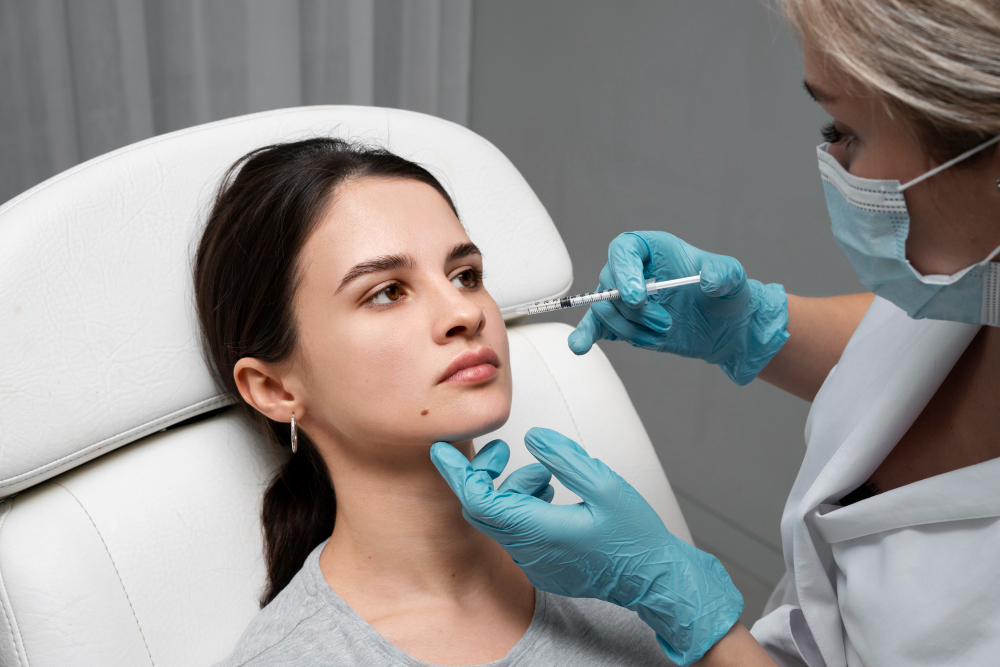
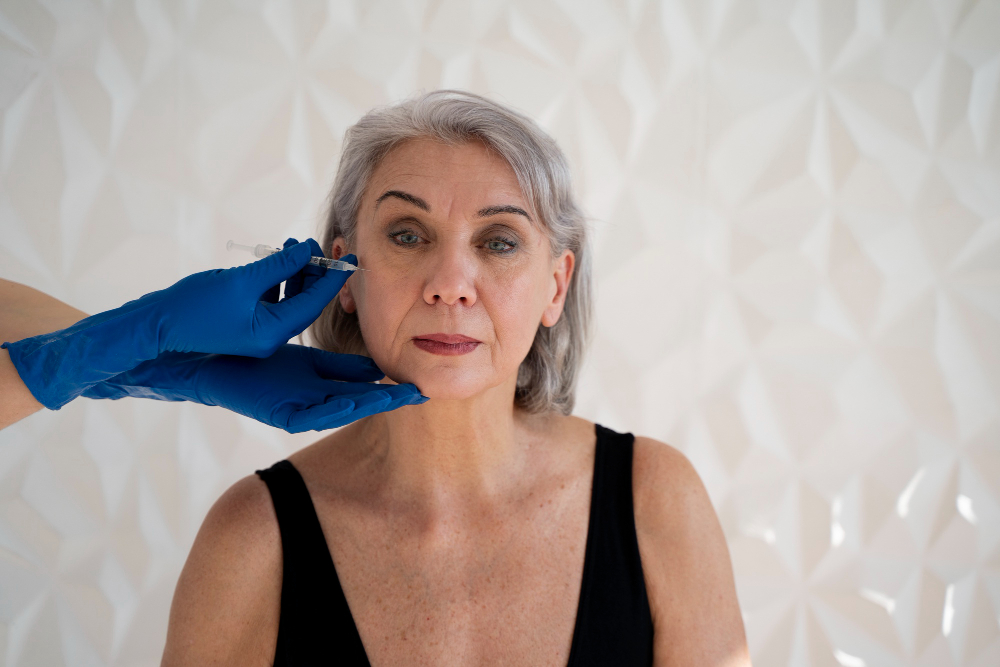
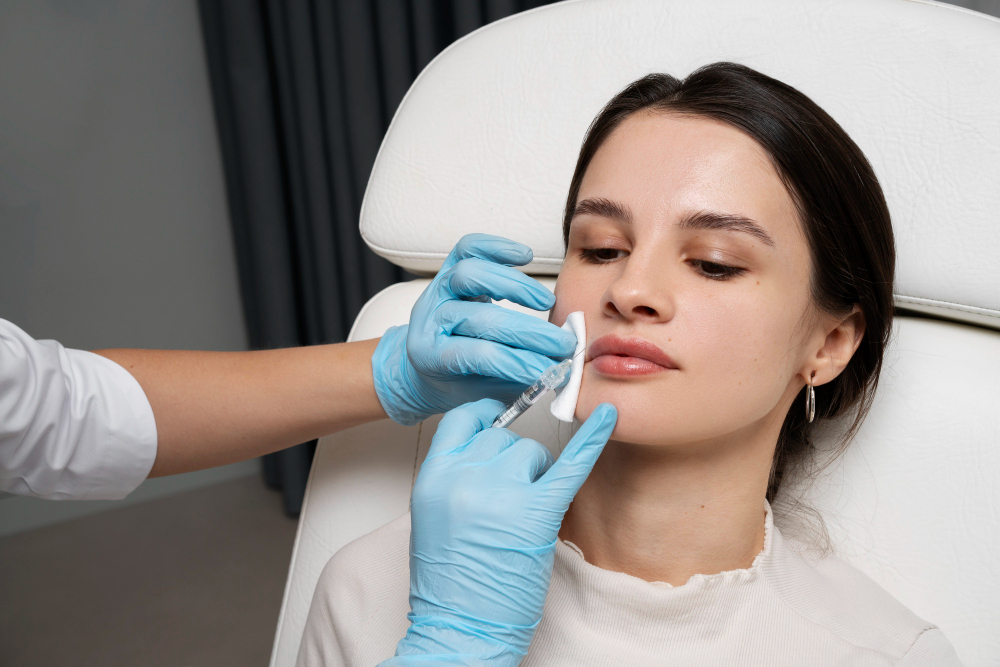
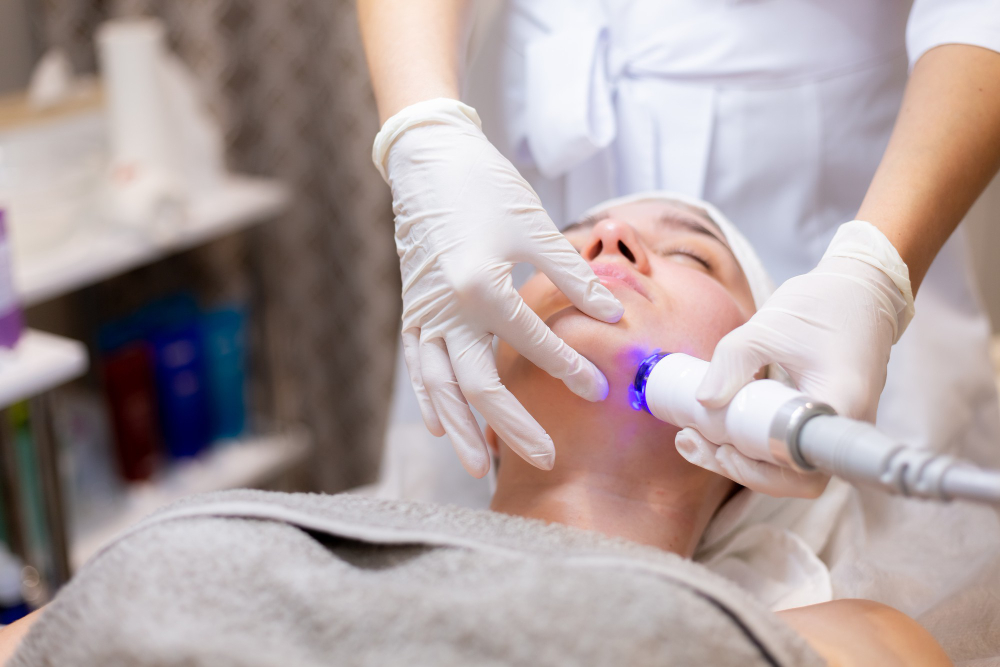
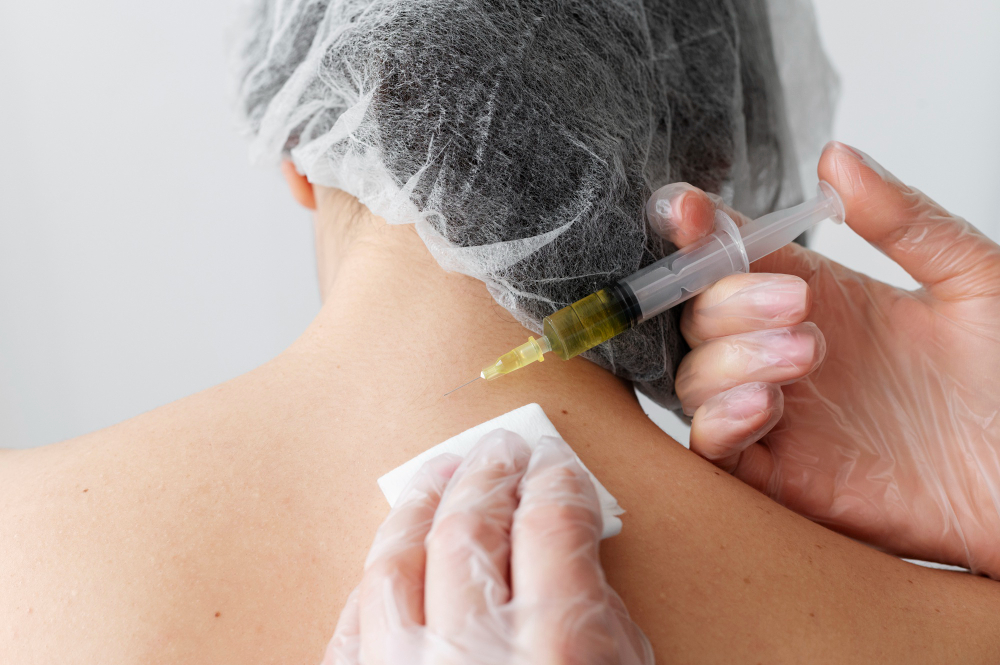
- Consider Professional Care: Professional aesthetic treatments provide precise, deeper care than at-home products alone. For instance, a clinical chemical peel provides controlled, deep exfoliation to address pigmentation and texture safely. Pair this with restorative facials in Bali to restore deep hydration and soothe the skin barrier. For comprehensive facial renewal that addresses structural dynamic lines alongside surface texture, combining smart topical care with targeted treatments like Botox Bali ensures a balanced, rejuvenated look.
- Exfoliate First, Hydrate Second: Always apply your exfoliants before your hydrating steps. Once you clear away dead surface cells, follow up immediately with soothing, water-focused serums.
- Never Exfoliate Damaged Skin: If your skin barrier is compromised, showing signs of severe burning, peeling, or inflammation, pause all exfoliants and focus exclusively on hydration and barrier repair.
- Listen to Environmental Cues: Humidity, sun exposure, and travel affect your skin’s balance. Tropical environments and strong sun exposure can accelerate dehydration, requiring extra moisture support.
FAQ
You should always exfoliate first. Removing dead surface cells ensures that your hydrating products absorb efficiently into the skin rather than sitting on top of dead tissue.
Yes. Over-exfoliating strips away essential natural oils and damages the protective moisture barrier. This speeds up transepidermal water loss (TEWL), leaving skin severely dehydrated, red, and irritated.
If you have dry or sensitive skin, limit chemical exfoliation to once a week using gentle acids like lactic acid or PHA. Always follow up immediately with a rich hydrating serum and barrier repair moisturizer.
Absolutely. Oiliness refers to sebum production, whereas hydration refers to water content. Oily skin often lacks water, leading the skin to produce even more oil to compensate for dehydration.