
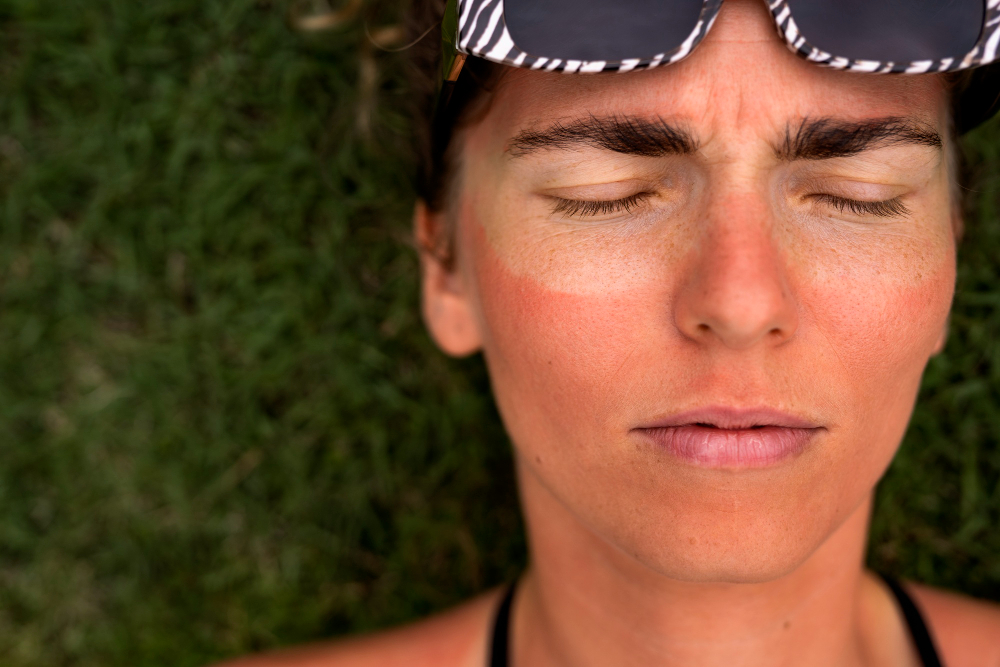
Pigmentation problems bring more patients into the clinic than almost any other concern in Bali. Constant UV exposure, heat, and humidity all push melanin production into overdrive. But not every dark patch responds to the same treatment. Melasma, sun spots, and post-inflammatory pigmentation look similar at a glance, yet they need different approaches entirely. Treating the wrong type can waste months, or worse, make the pigmentation harder to clear.
This guide breaks down how each type appears, why melasma keeps relapsing in a hot climate, which treatments suit each condition, and why an aggressive peel can backfire badly on melasma-prone skin.
Three Types of Pigmentation That Get Confused Constantly
Sun spots, also called solar lentigines, appear as small, well-defined brown patches. UV exposure causes them, and they usually show up on the cheeks, nose, and hands after years of accumulated sun damage. They stay put and don’t fade or shift with hormones. A dermatologist can often diagnose them just by looking at the border and colour consistency.
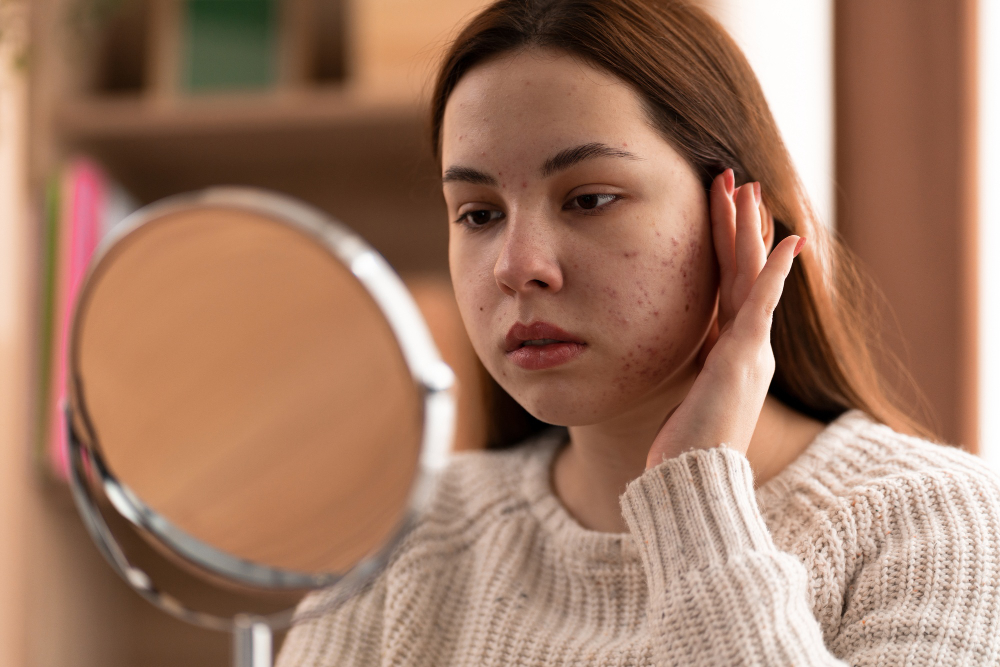
Melasma looks different. It forms larger, blotchy patches with irregular edges, usually across the cheeks, forehead, upper lip, or chin. Hormones drive much of it (pregnancy, birth control, and thyroid conditions all play a role), but heat and UV exposure trigger flare-ups even when the hormonal cause has settled. This is the type that frustrates patients most, because it improves, then returns without warning.
Post-inflammatory hyperpigmentation (PIH) develops after some kind of skin trauma: acne, a cut, an aggressive treatment, or even a bug bite. It follows the exact shape of whatever caused the injury and tends to fade on its own over several months, though darker skin tones often need longer.
Getting the diagnosis right matters more than any product or device. A proper assessment at a skin care clinic checks pigment depth, border pattern, and trigger history before recommending anything. Guessing from a mirror rarely gets it right, since melasma and PIH can overlap on the same face.
Why Melasma Keeps Relapsing in Hot Climates
Melasma behaves differently from the other two types because heat, not just UV light, triggers it. Studies show that infrared heat and even visible light can stimulate melanocytes, the pigment-producing cells, independent of sun exposure. That means a hot kitchen, a sauna session, or simply Bali’s ambient heat can reactivate melasma even with diligent sunscreen use.
This explains why melasma often improves indoors during a course of treatment, only to return within weeks of daily outdoor exposure. The melanocytes in melasma-prone skin stay hypersensitive long after the initial trigger fades. Sunscreen alone doesn’t fully protect against this, since it blocks UV but not always visible light or heat.
Patients who live in or frequently visit tropical climates need a maintenance mindset rather than a one-time fix. Melasma responds to treatment, but it rarely disappears permanently in a hot, sunny environment without ongoing management.
Matching the Treatment to the Type
Each pigmentation type responds to a different combination of treatments, and using the wrong one can either waste time or worsen the pigment.
| Type | Appearance | Best Treatment Approach |
|---|---|---|
| Sun spots (solar lentigines) | Small, defined, brown | Targeted energy-based devices, gentle chemical peels |
| Melasma | Large, blotchy, irregular edges | Gentle exfoliation, tranexamic acid, strict light and heat protection |
| Post-inflammatory hyperpigmentation | Follows shape of prior injury | Time, gentle brightening actives, mild peels |
Sun spots respond well to targeted treatments because the pigment sits in a defined, isolated area. Doctors can treat them more aggressively without disturbing the surrounding skin. PIH usually clears with time and consistent skincare, though a doctor may recommend a mild peel to speed up fading once the underlying trauma has healed.
Melasma needs a gentler hand. Hydration-focused treatments often help here more than aggressive resurfacing. Many patients combine their pigmentation plan with a hydrating booster like Profhilo, which supports the skin barrier without adding heat or irritation that could reactivate melasma. A stronger skin barrier tends to tolerate pigment-targeting actives better over time.
Why Aggressive Peeling Can Worsen Melasma
This is where many patients go wrong. A stronger peel sounds like a faster solution, but melasma-prone skin reacts to inflammation by producing more pigment, not less. An overly aggressive chemical peel can trigger a flare that leaves melasma darker and more widespread than before treatment even started.
The skin barrier plays a central role here. Melasma-prone skin already sits in a hypersensitive state, and stripping it too fast disrupts that barrier further. This creates a cycle: irritation triggers more pigment, and more pigment tempts a stronger peel, which triggers even more irritation.
A cautious, low-strength approach works far better for melasma. Doctors typically build up peel strength gradually, monitor the skin’s response closely, and pull back immediately if any redness or irritation appears. Patience matters more than intensity when it comes to this specific pigmentation type.
Frequently Asked Questions
A1: Yes, this happens often, especially in patients over 35 with years of sun exposure. A doctor needs to map each pigment type separately, since they require different treatment strengths and timelines.
A2: It can fade significantly with the right combination of treatments and consistent protection. However, melasma tends to relapse with heat and UV exposure, so most patients need an ongoing maintenance plan rather than a single course.
A3: Sunscreen helps, but it doesn’t block infrared heat or visible light, both of which can trigger melasma. Combining sunscreen with physical shade, hats, and gentle skincare gives much better long-term control.