
Dull skin, rough texture, and stubborn acne scars need more than surface care. In fact, a Rejuran skin booster repairs the skin from within, using polynucleotides (PN) from salmon DNA. However, many people still wonder how it works and what to expect. Therefore, this guide explains the treatment, the process, aftercare, and results, so you can decide with confidence at an aesthetic clinic in Bali.
What Is a Rejuran Skin Booster?
Rejuran is a skin booster that contains polynucleotides, which manufacturers extract from salmon DNA. These molecules closely resemble the DNA in human cells, so the skin accepts them well. Unlike hyaluronic acid products, Rejuran focuses on repair rather than pure hydration. In addition, it calms irritation and strengthens the skin barrier.
How Salmon DNA Repairs the Skin
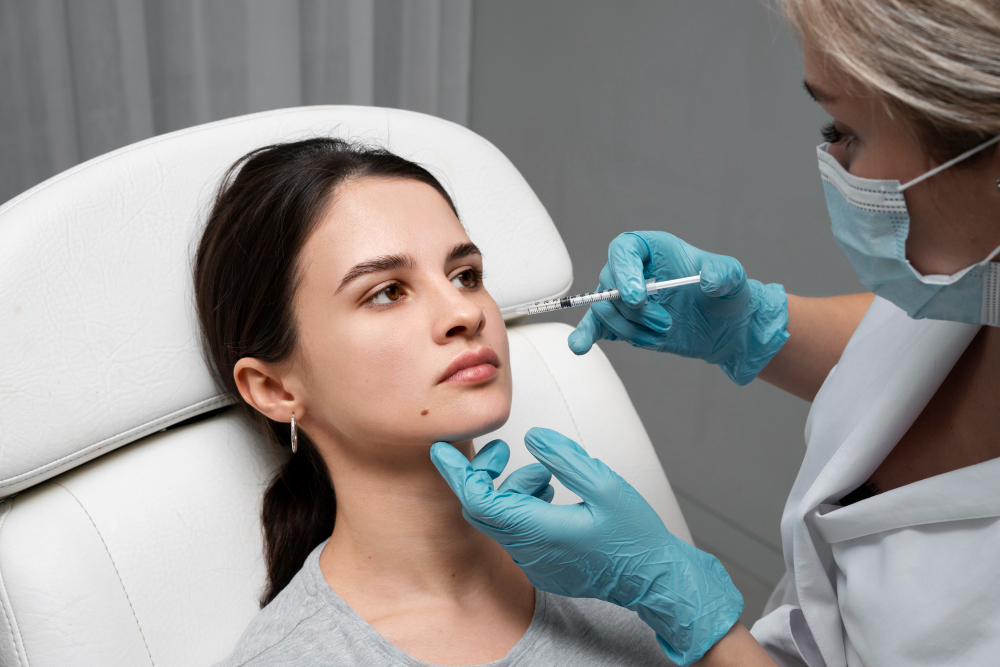
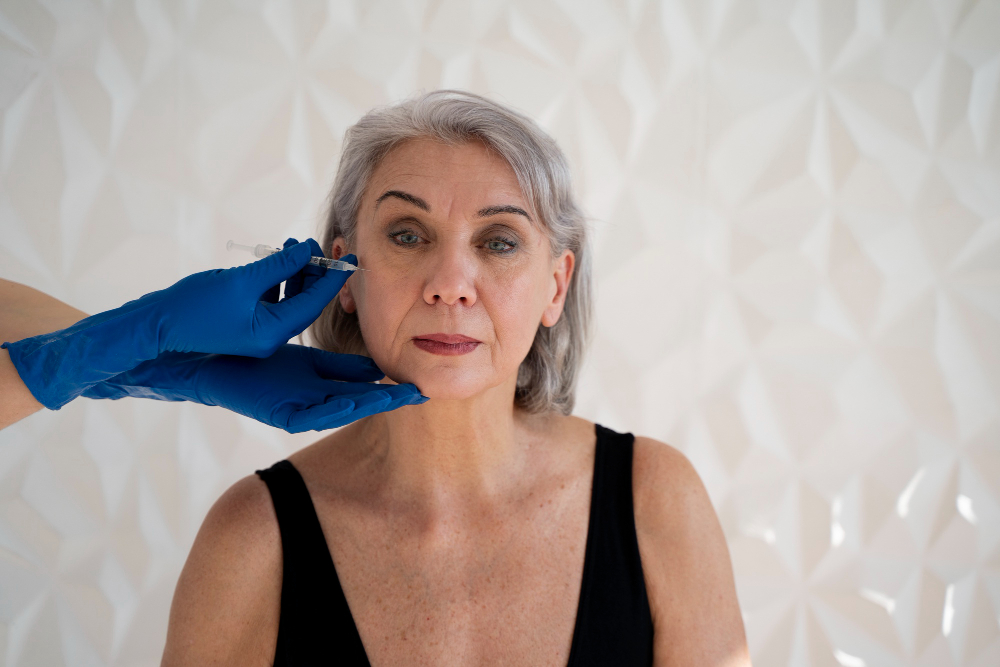
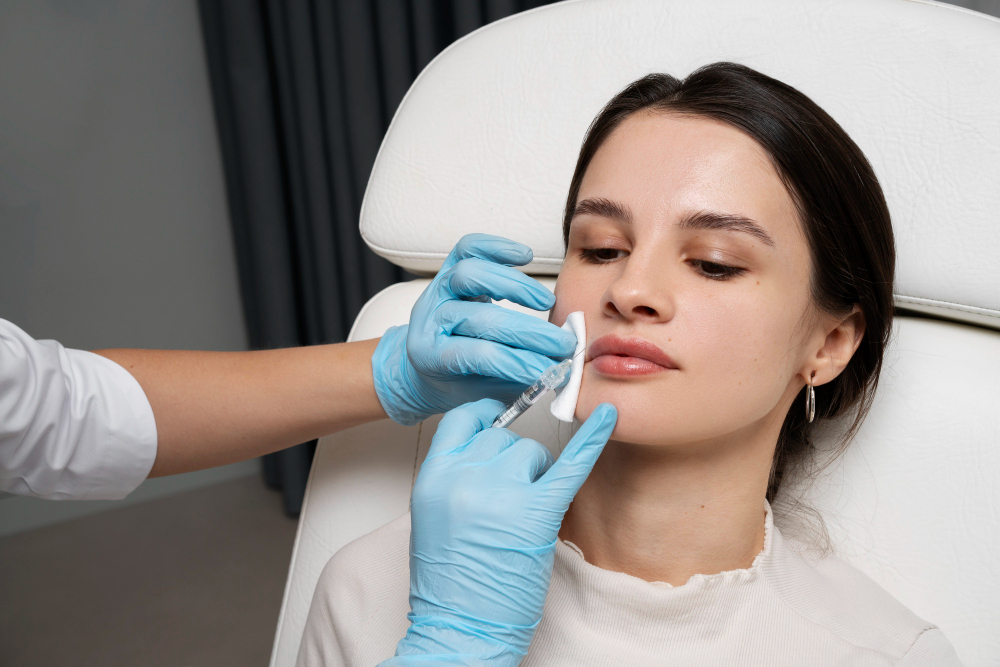
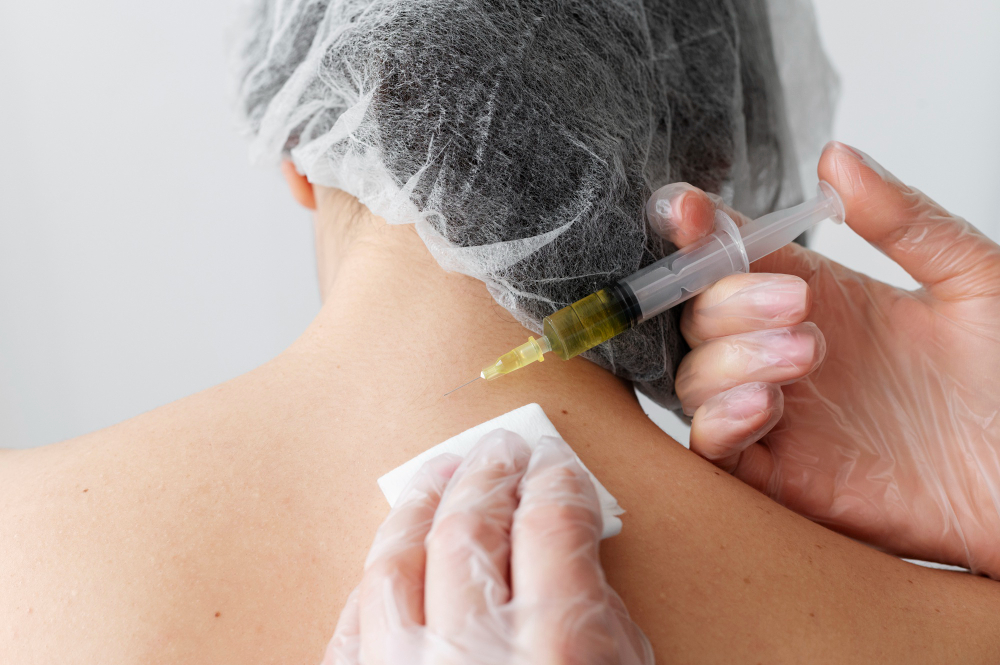
First, your doctor injects the polynucleotides into the dermis. Then the molecules activate fibroblasts, the cells that produce collagen and elastin. They also hold water and create a healthy environment for healing. As a result, damaged skin rebuilds itself step by step.
Moreover, this process improves elasticity and softens uneven texture. Because repair takes time, results build gradually over several weeks. Patience matters here, but the improvement lasts.
Skin Concerns a Rejuran Skin Booster Targets
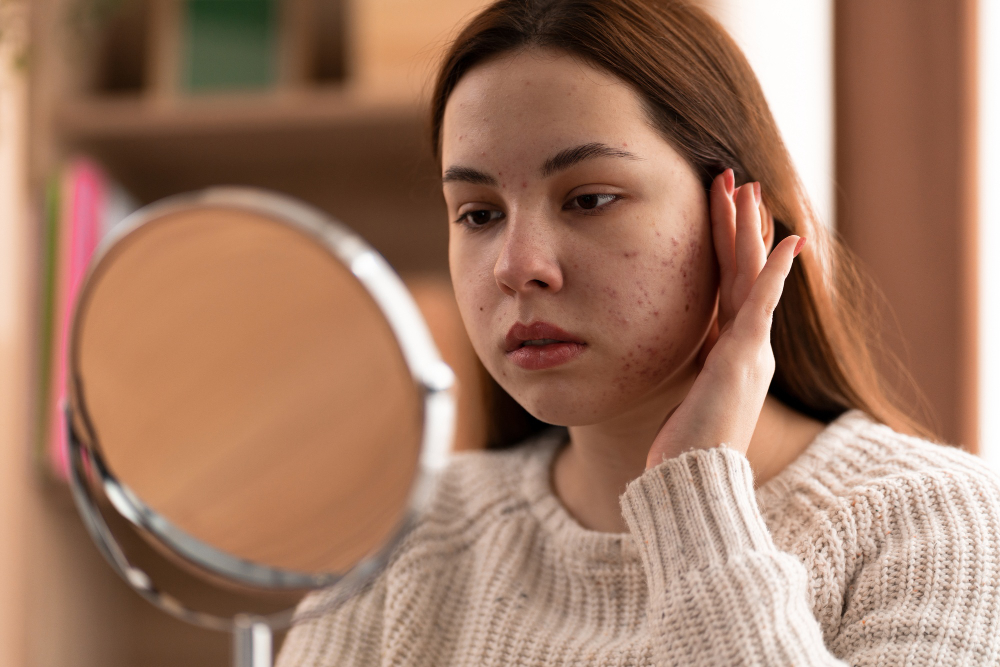
Rejuran suits many everyday concerns. For example, it softens fine lines, refines rough texture, and restores a dull complexion. Many patients also choose a rejuran treatment to improve acne scars, shrink the look of enlarged pores, and calm sun-damaged skin. Furthermore, thin or sensitive skin often responds well to this gentle approach.
The table below shows what each concern may gain from the treatment.
| Skin Concern | How Rejuran Helps | What You May Notice |
|---|---|---|
| Fine lines | Boosts collagen and elastin | Smoother, softer skin |
| Uneven texture | Supports cell repair | More even surface |
| Dullness | Improves hydration and recovery | Brighter, fresher glow |
| Acne scars | Stimulates tissue renewal | Gradually shallower marks |
| Sensitive skin | Calms irritation | Less redness and reactivity |
Keep in mind that deep scars may need more sessions. Likewise, results differ from person to person.
What Happens During a Rejuran Skin Booster Session
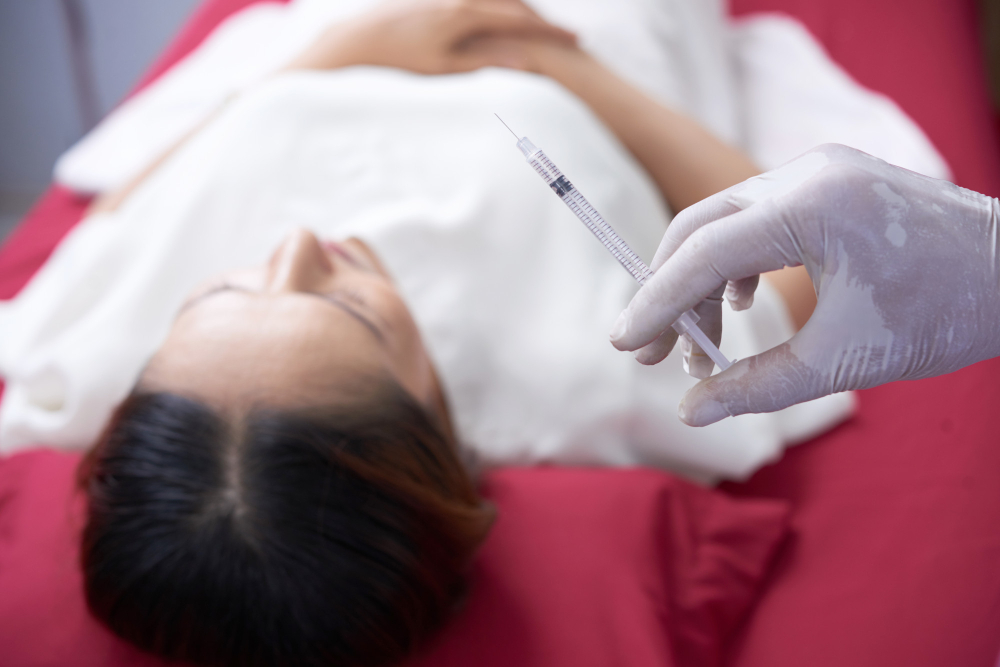
Each session follows a clear routine. First, the doctor examines your skin and discusses your goals. Next, the clinic cleanses your face and applies numbing cream. Then the doctor places tiny injections across the treatment area. Finally, the team soothes your skin and reviews your aftercare steps.
The whole visit usually takes 45 to 60 minutes. Most protocols include three to four sessions, spaced two to four weeks apart. In some cases, doctors pair Rejuran with other skin rejuvenation treatments to refine tone and texture. Your doctor builds a plan that fits your skin and schedule.
Rejuran Skin Booster Aftercare
Downtime stays short, but your skin needs care. Redness, swelling, and small bumps often appear and fade within three to five days. Meanwhile, follow these simple steps:
- Skip makeup for the first 24 hours.
- Wash your face with a gentle cleanser.
- Apply sunscreen every morning and reapply during the day.
- Avoid saunas, heavy workouts, and alcohol for a few days.
- Do not scrub, peel, or pick at your skin.
Because Bali’s sun is strong, sun protection matters even more. Consequently, a daily sunscreen habit protects your results.
How Long Do Rejuran Skin Booster Results Last?
Most patients notice a healthier glow within two to four weeks. After that, texture and tone keep improving as collagen builds. Generally, results last several months, and many doctors suggest a maintenance session every six to twelve months. However, lifestyle, sun exposure, and age influence how long your results stay.
If you compare Rejuran with other injectable skin boosters, remember the key difference. Hydrating boosters deliver quick plumpness, while Rejuran supports deeper repair. Therefore, a skin consultation helps you pick the right match.
FAQ
A1: Yes, most people tolerate it well. Polynucleotides calm irritation and strengthen the skin barrier. Nevertheless, your doctor checks your skin and medical history before treatment, especially if you have a fish allergy.
A2: Most people need three to four sessions, spaced two to four weeks apart. Your doctor adjusts the number based on your concern. For instance, acne scars often require a longer plan.
A3: Most patients feel mild discomfort. To reduce it, clinics apply numbing cream before the session. As a result, you usually feel only slight pressure or tingling.