
The phrase “salmon DNA” does a lot of work in aesthetic marketing, and almost none of it is explanation. Patients arrive having seen the words on Instagram, expecting either a miracle or something faintly unpleasant, and usually with no idea what is actually being injected.
The material is called a polynucleotide. It is not a filler, it is not a hydrating booster, and it does not work on the day you have it. Understanding those three points before you book will save you from the most common disappointment with this treatment, which is expecting a single session to do what a course is designed to do.
What a polynucleotide actually is
DNA is a long chain of building blocks called nucleotides. A polynucleotide is a shorter fragment of that chain, cut down and purified until what remains is the raw material, not genetic information.
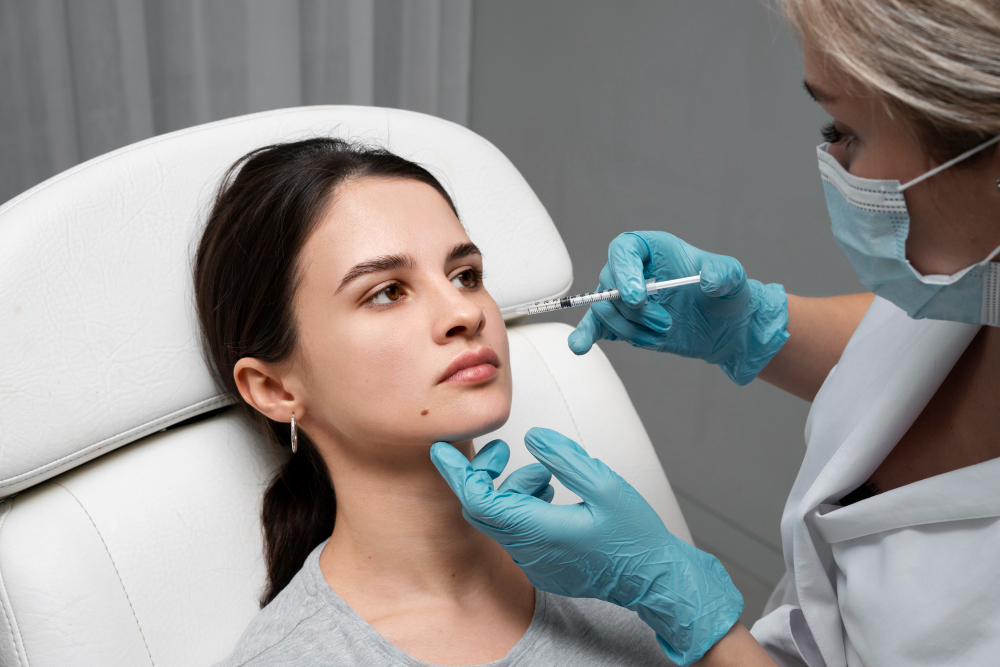
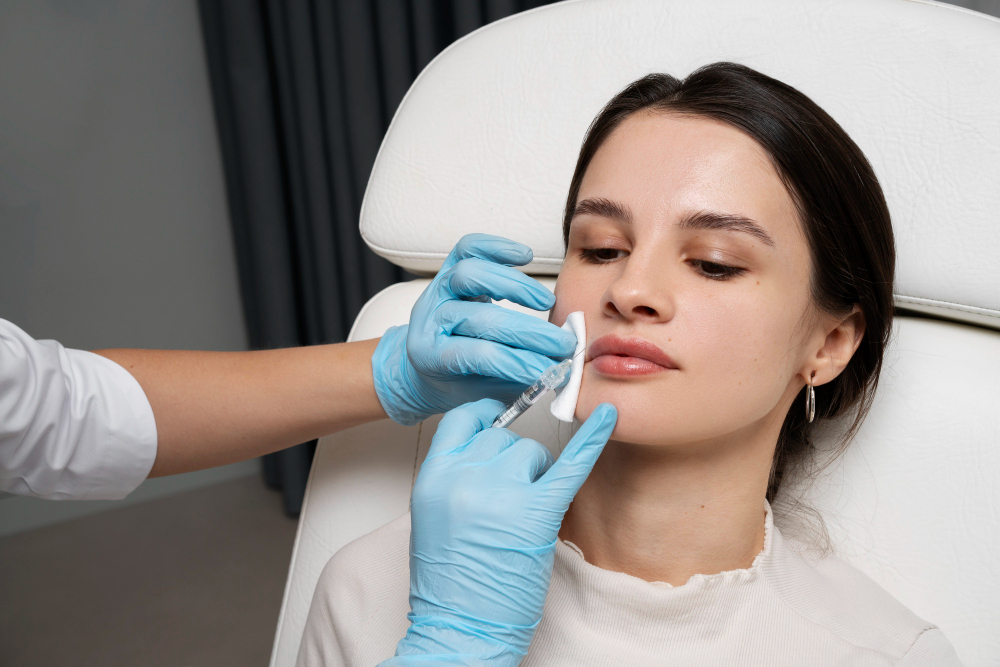
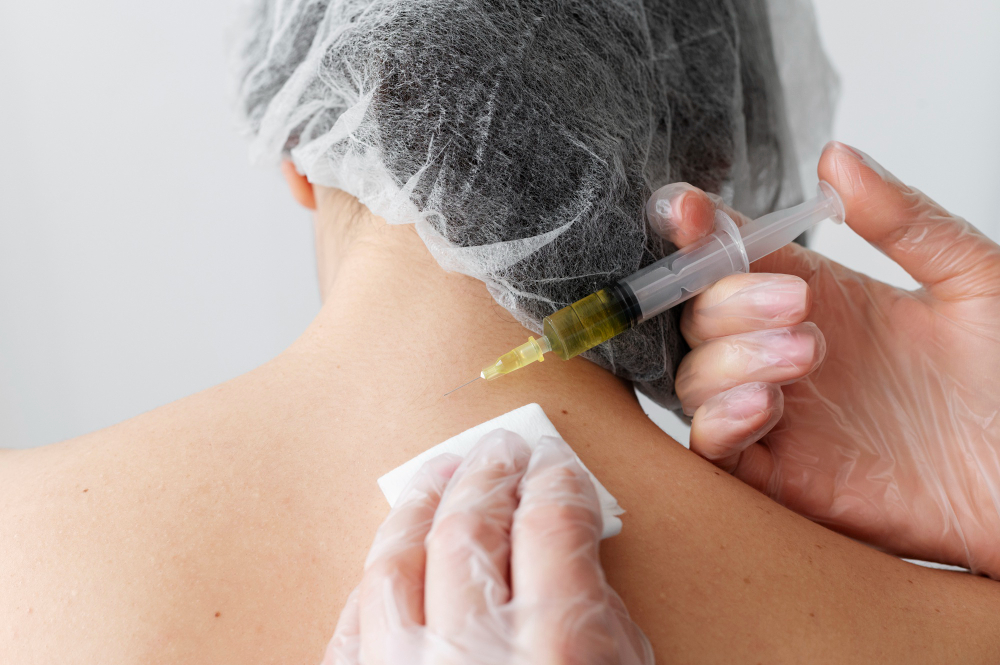
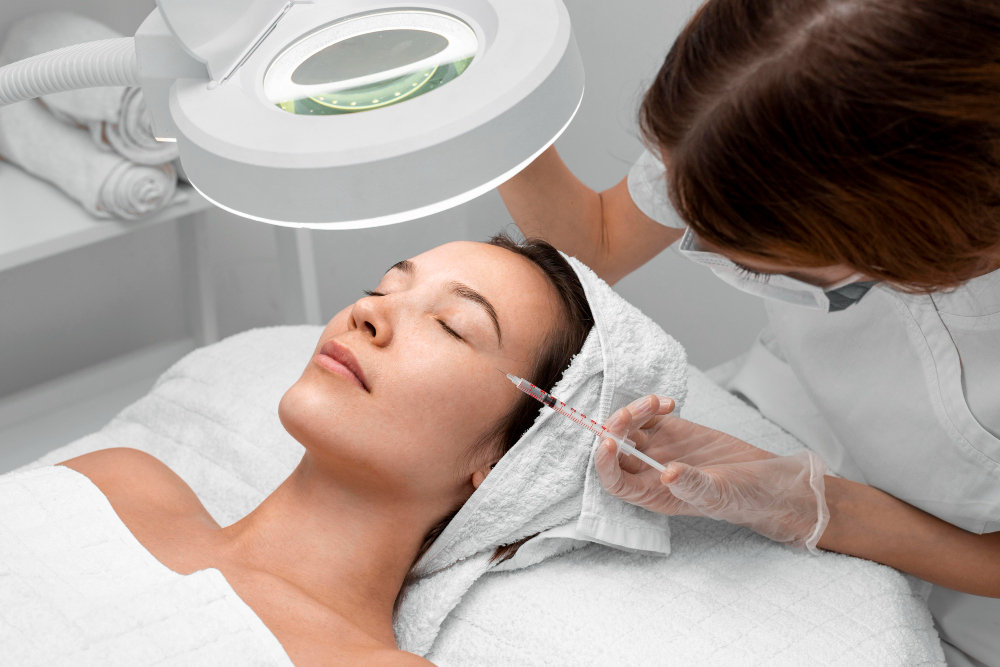
Injected into the skin, these fragments do two things. They hold water in the tissue, giving a mild hydrating effect, and they act as a scaffold and a signal to fibroblasts, the cells that produce collagen and elastin. The aim is to support the skin’s own repair activity rather than to add anything permanent to the face.
That distinction matters. Nothing is being placed under your skin to change its shape. The treatment is asking your skin to do the work, which is exactly why the result appears slowly.
Where the salmon part comes from
Manufacturers extract these polynucleotides from the milt, the soft roe, of salmon or trout. Repeated filtration then strips out proteins, which are the part of any fish product capable of triggering an allergic reaction.
Salmon serves a practical purpose. Its DNA structure is close enough to human DNA that skin tolerates it well, and the raw material is abundant and consistent. There is no genetic transfer involved, and nothing about the treatment alters your own DNA.
If you have a known fish or shellfish allergy, say so at consultation. Purification removes the protein fraction and reactions are uncommon, but this is a conversation to have before the needle, not after.
Regeneration, hydration and volume are three different jobs
Most confusion about this treatment comes from lumping it in with injectables that look similar on a treatment menu. They are doing different things.
| Polynucleotide | Hyaluronic acid booster | Dermal filler | |
|---|---|---|---|
| Main action | Supports repair and collagen activity | Binds water in the skin | Adds structural volume |
| Placement | Fine points across the treatment area | Fine points across the treatment area | Deep, in defined areas |
| Visible from | Around week 4 to 8 | Within days | Immediately |
| What it does not do | Add volume or lift | Change skin structure | Improve skin texture |
| Typical course | 3 to 4 sessions | 2 to 3 sessions | Usually one |
| Longevity | Several months after a full course | Several months | Months to over a year |
Read the table across rather than down. A hydrating booster makes skin look better quickly and stops working once the body metabolises it. A filler changes shape. Polynucleotides work on skin quality, which is the slowest of the three to change and the one people are most impatient about. A salmon dna course is the right choice for crepey texture, thin skin and dullness, and the wrong choice for a hollow cheek.
The session schedule nobody mentions in the ad
This is a course of treatment. A single session is a reasonable trial, but it is not the treatment.
The standard protocol is three to four sessions spaced two to four weeks apart. The spacing is not commercial. Each session builds on the repair activity started by the last one, and stacking them too closely wastes the product. After the initial course, most patients maintain with a single session every four to six months.
Plan around that if you are visiting Bali rather than living here. A two-week trip fits one session comfortably and two at a stretch, which is worth knowing before you commit to a package.
A realistic results timeline
Days 0 to 2. Small raised points at each injection site, sometimes with mild redness. These settle within a day, occasionally two. Light bruising is possible.
Weeks 1 to 3. Skin often feels better hydrated and slightly smoother. Nothing dramatic is visible yet, and this is the point where most people assume the treatment has failed.
Weeks 4 to 8. Texture and firmness begin to change as collagen activity increases. Improvement is usually clearer in photographs than in the mirror, because the change is gradual.
Weeks 8 to 12. The result of the full course. Skin quality, fine crinkling and overall resilience are what improve, not shape.
Results vary between individuals, and skin that is heavily sun-damaged or dehydrated responds more slowly. Pairing the course with sensible sun protection and a suitable facial treatment schedule tends to hold the result longer than injectables alone.
Who it suits, and who should wait
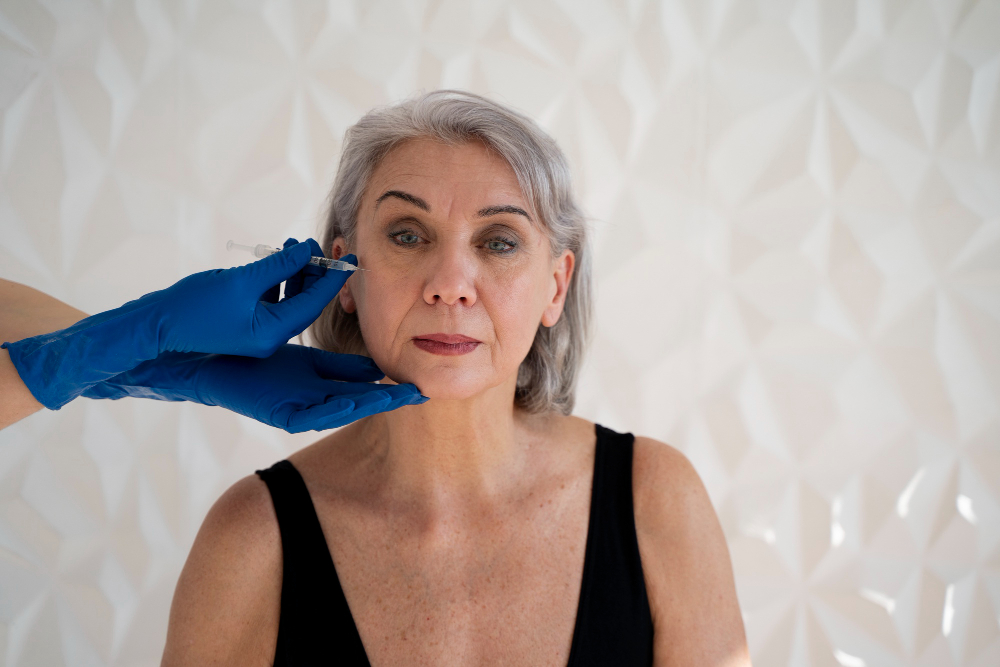
Good candidates have thin, crepey or dull skin, early fine lines, or under-eye and neck skin that has lost resilience. Patients who want gradual change rather than an obvious intervention tend to be happiest with it.
Treatment is postponed during pregnancy and breastfeeding, during active skin infection or inflammation in the area, and where an untreated skin condition should be addressed first. Anyone whose main concern is volume loss or sagging is a poor fit, because no amount of skin quality will correct a structural problem.
Book an assessment first
The honest way to decide is to have the skin examined rather than to pick a treatment from a menu. At our aesthetic clinic bali in Berawa, Canggu, Dr. Connie Calista Tham will tell you whether polynucleotides address what is actually bothering you, how many sessions your skin realistically needs, and whether your travel dates allow for a proper course.
Message the clinic on WhatsApp to book a consultation.
Frequently asked questions
Is salmon DNA safe, and will it affect my own DNA? The material is purified to remove proteins before use, and it does not interact with or alter human DNA. Declare any fish or shellfish allergy at consultation so the doctor can assess your suitability properly.
Does one session do anything? One session usually improves hydration and gives a modest freshening effect. The change in skin quality that people book this treatment for comes from completing a course of three to four sessions.
How much downtime is there? Small raised points at the injection sites typically settle within 24 hours, with occasional light bruising. Most patients return to normal activity the same day, though heat, sauna and heavy exercise are avoided for the first 24 to 48 hours.
Where is the clinic and when are you open? Aeconic Aesthetic Clinic is at Jl. Subak Sari No. 30a, Tibubeneng, Kuta Utara, Badung, Bali, in the Canggu and Berawa area. We are open Monday to Saturday, 10:00 to 17:00, and appointments are booked on WhatsApp.