

Achieving smooth, radiant, and youthful skin is one of the most common aesthetic goals today. However, navigating the sheer volume of available options can quickly become overwhelming. On one end of the spectrum are high-performance topical serums loaded with active ingredients like hyaluronic acid, vitamin C, and retinol. On the other end are professional injectable skin therapies that work beneath the skin’s surface to restore vitality from within.
Both approaches play a significant role in modern dermatology and aesthetics, but they function in fundamentally different ways. Understanding how each method works and what each can realistically accomplish will help you make an informed decision tailored to your unique skin concerns, budget, and lifestyle.
Understanding Topical Serums: Everyday Skincare Workhorses
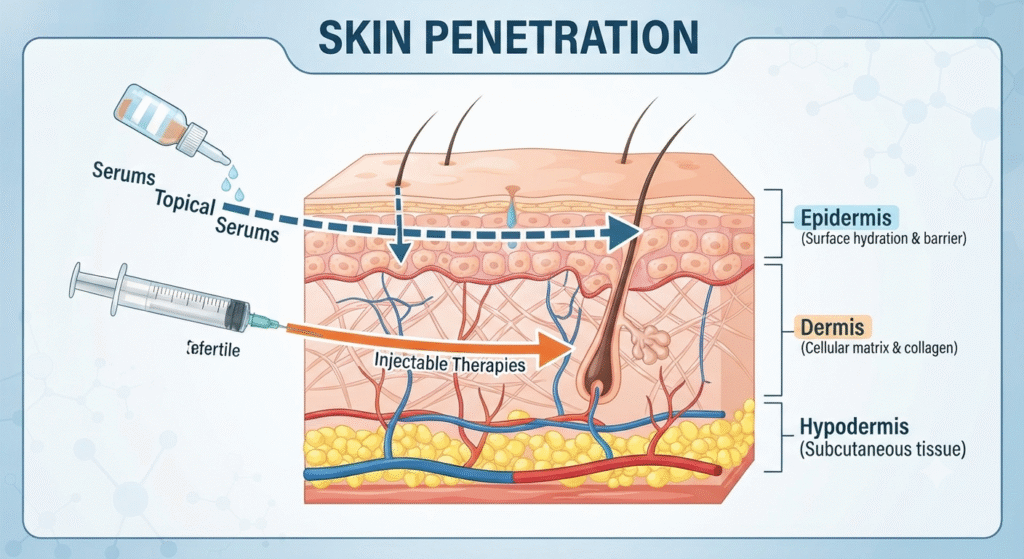
Topical serums are lightweight, highly concentrated skincare formulations designed to deliver targeted active ingredients directly to the outermost layer of the skin, known as the epidermis. Unlike heavy moisturizers, serums feature smaller molecules that allow deeper penetration into the superficial skin layers.
Key Ingredients and How They Work
Modern formulations incorporate advanced active compounds engineered for specific concerns:
- Hyaluronic Acid: Binds up to 1,000 times its weight in water to plump superficial layers and boost surface hydration.
- Vitamin C & Antioxidants: Neutralize free radicals caused by UV exposure and environmental pollution, helping to brighten dull tone.
- Retinoids & Peptides: Encourage cellular turnover and stimulate surface-level collagen synthesis over time.
- Niacinamide: Soothes inflammation, regulates sebum production, and strengthens the natural skin barrier.
Benefits and Limitations of Topical Care
Topical serums are non-invasive, accessible, and essential for maintaining daily skin health. They excel at preserving barrier function, improving texture, and preventing premature environmental damage.
However, topical products face a biological boundary: the stratum corneum. This outer barrier is specifically designed by nature to keep foreign substances out. Consequently, even the most advanced serums cannot reach the deeper dermis where significant structural aging, deep wrinkles, and pronounced volume loss occur.
Unpacking Injectable Skin Therapies: Deep Cellular Rejuvenation
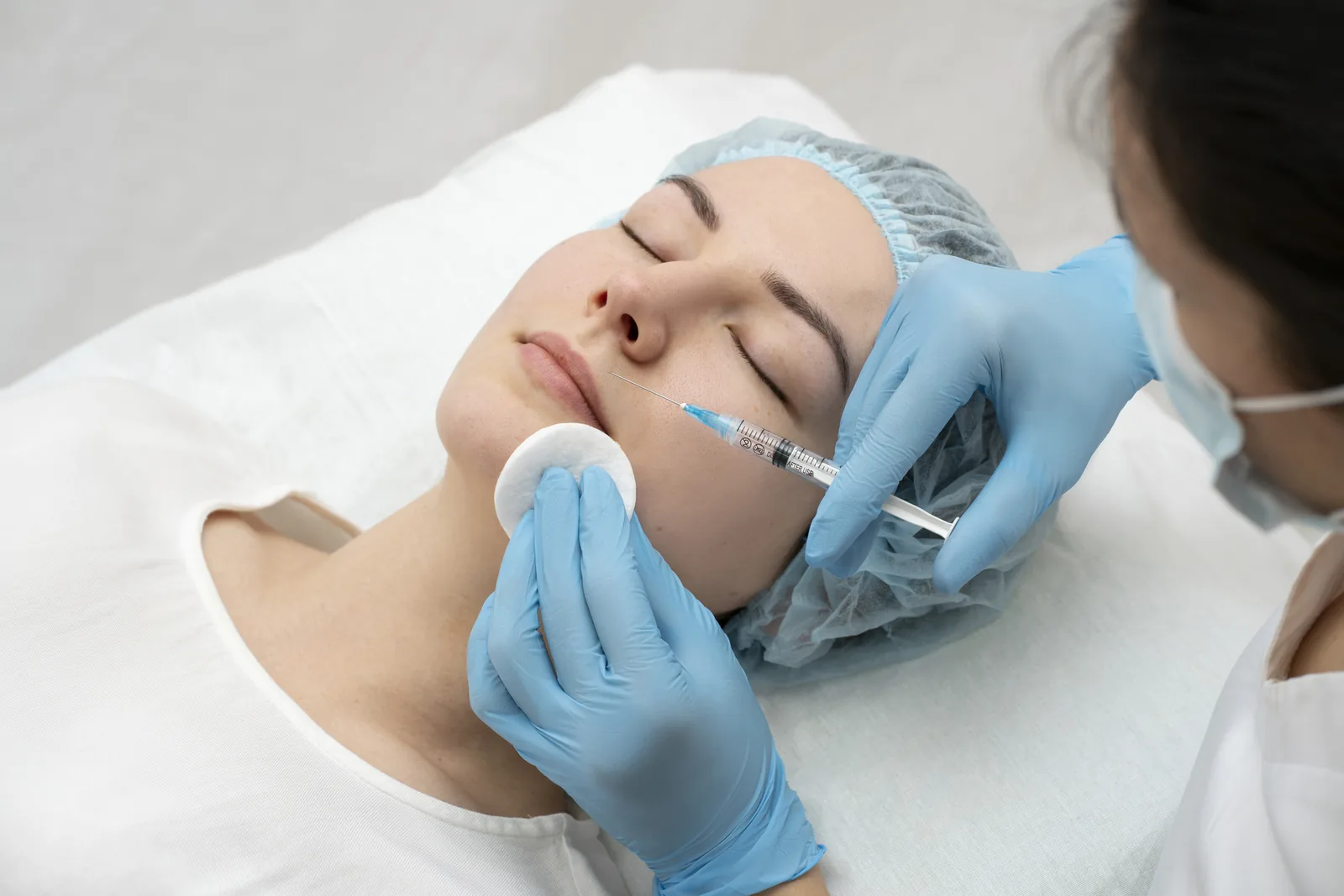
While topical serums protect and nourish the surface, injectable treatments cross the epidermal barrier entirely. Administered by qualified clinical professionals, these treatments deliver active biological agents, vitamins, and hydrating molecules directly into the dermal matrix.
Beyond the Surface: Mechanisms of Action
Injectable therapies work by stimulating the body’s intrinsic healing mechanisms. By placing micro-droplets of hyaluronic acid, polynucleotides, amino acids, or collagen stimulators into the dermal layer, these procedures trigger fibroblast activity, the cells responsible for producing structural collagen and elastin.
For individuals seeking targeted deep hydration and improved elasticity, a specialized skin booster treatment works beneath the surface to rebuild skin structure and restore an authentic, natural glow from within.
Why Injections Deliver Faster, Deeper Results
Because injectable formulations bypass the skin barrier entirely, bioavailability is 100%. The active components are delivered directly into the skin, where they immediately interact with living dermal cells.
This direct delivery results in faster, longer-lasting, and more noticeable improvements in skin firmness, deep hydration, and overall tissue quality compared to topical skincare alone.
Key Differences Compared: Topical Serums vs. Injectables
To help clarify how these two approaches compare, review the breakdown below:
| Feature | Topical Serums | Injectable Therapies |
| Depth of Action | Epidermis (Surface layer) | Dermis (Deep structural layer) |
| Primary Focus | Barrier support, prevention, minor texture | Structural repair, deep hydration, firmness |
| Onset of Results | Gradual (4–8 weeks of consistent use) | Fast (Often within days to 2 weeks) |
| Longevity | Daily application required | Results last 6 to 12 months |
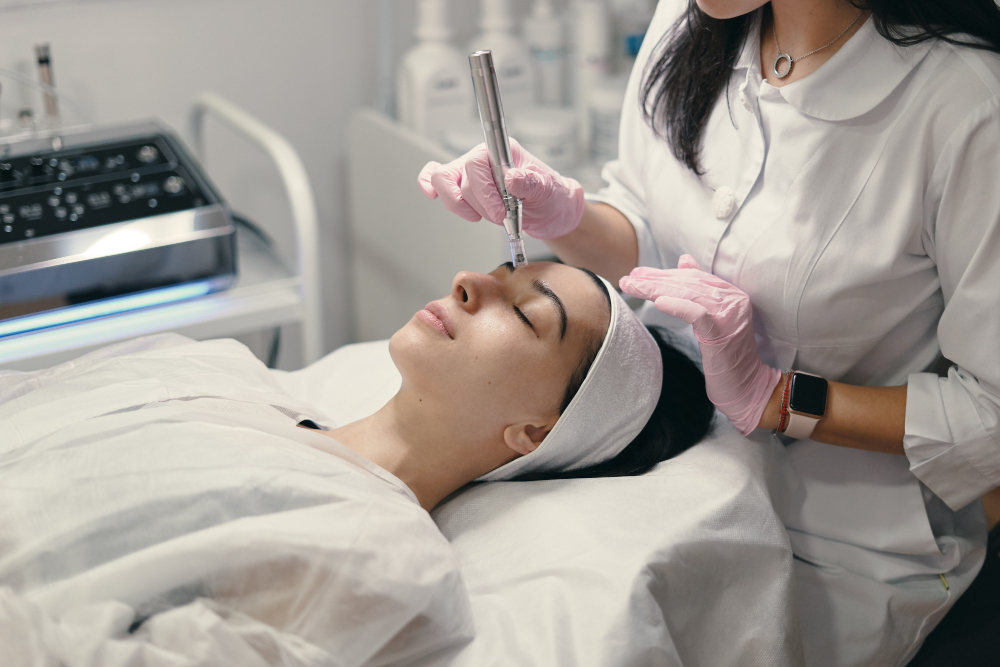
| Invasiveness | Non-invasive | Minimally invasive (microneedles) |
| Downtime | None | Minimal (slight redness or micro-swelling) |
How to Choose: Which Approach Fits Your Skin Goals?
Selecting between topical serums and injectable options depends on your age, current skin health, and primary aesthetic objectives.
When to Stick with Topical Serums
Topical serums are your best choice if:
- You are focused on daily maintenance, antioxidant protection, and mild hydration.
- You are in your early-to-mid 20s looking to delay early signs of aging.
- You prefer a non-invasive, low-maintenance home routine.
- You are managing active conditions like mild acne, excess oiliness, or surface hyperpigmentation.
When to Consider Injectable Therapies
Injectable treatments become ideal when surface products stop delivering desired changes. Consider deep dermal therapies if:
- You notice persistent dullness, loss of elasticity, or fine lines that topical hydration cannot smooth out.
- You want rapid, noticeable revitalization before a major event.
- You are exploring professional face treatments to target stubborn structural aging concerns.
The Hybrid Method: Combining Both for Maximum Results
Choosing between serums and injectables does not have to be an “either/or” decision. In modern clinical aesthetics, the most effective strategy is often a combined approach. Injectables create a dense, hydrated, and collagen-rich foundation in the deep dermis.
Meanwhile, daily topical serums defend that investment against daily environmental stressors, pollution, and UV exposure. Integrating professional skin rejuvenation treatments with a disciplined home skincare regimen ensures complete protection and nourishment across every layer of the skin.
FAQ
No. While premium serums significantly improve surface texture, radiance, and hydration, they cannot penetrate into the deep dermis. Injectables target the structural matrix that topicals simply cannot reach.
Discomfort is minimal. Clinicians typically apply a topical numbing cream prior to the procedure. The micro-injections use ultra-fine needles, making the process quick and tolerable for most individuals.
Depending on the specific formulation and individual metabolic rate, results generally last between 6 and 12 months. Periodic maintenance treatments help sustain collagen production and deep hydration over time.
It is best to wait 24 to 48 hours after an injectable procedure before resuming active topical serums (especially those with retinol, AHA/BHAs, or vitamin C) to avoid irritating open micro-channels in the skin.