
Dull skin and uneven tone frustrate almost everyone who lives under Bali’s sun. Two popular treatments promise a brighter, smoother finish. However, the glass toning laser vs chemical peel choice confuses many people. Therefore, this guide compares how each option works, how it feels, how long results take and who each one suits.
Key takeaways
- A glass toning laser uses gentle light to break up scattered pigment and even out tone.
- A chemical peel uses acid to renew the surface, refine texture and unclog pores.
- The laser has little to no downtime, while peels range from none to about a week of flaking.
- Many doctors combine both in one plan, spaced a few weeks apart.
- Above all, avoid both treatments on a fresh tan, and see a doctor first.
Side by side
Glass toning laser vs chemical peel: quick comparison
Both options brighten the skin, but they work in very different ways. The table below shows the main differences.
| Feature | Glass toning laser | Chemical peel |
|---|---|---|
| Main action | Breaks up pigment with light | Renews the surface with acid |
| Best for | Uneven tone, dullness | Dullness, texture, clogged pores |
| Comfort | Mild warmth or snapping | Tingling or mild stinging |
| Downtime | Little to none, mild redness | None to several days of flaking |
| Typical sessions | A series, spaced weeks apart | One or a short series |
| Results timeline | Gradual, over several sessions | Visible once peeling settles |
Swipe sideways to see the full table.
Costs differ between clinics and depend on the peel type, the device and the number of sessions. Therefore, ask your clinic for a clear quote at consultation.
Option 01 · Light
How a glass toning laser works
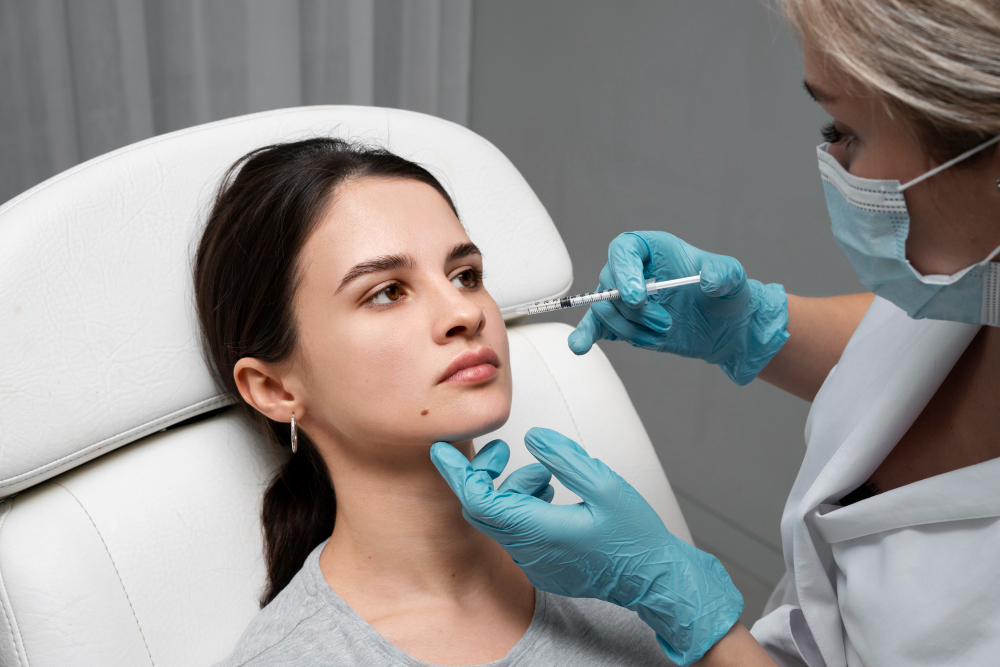
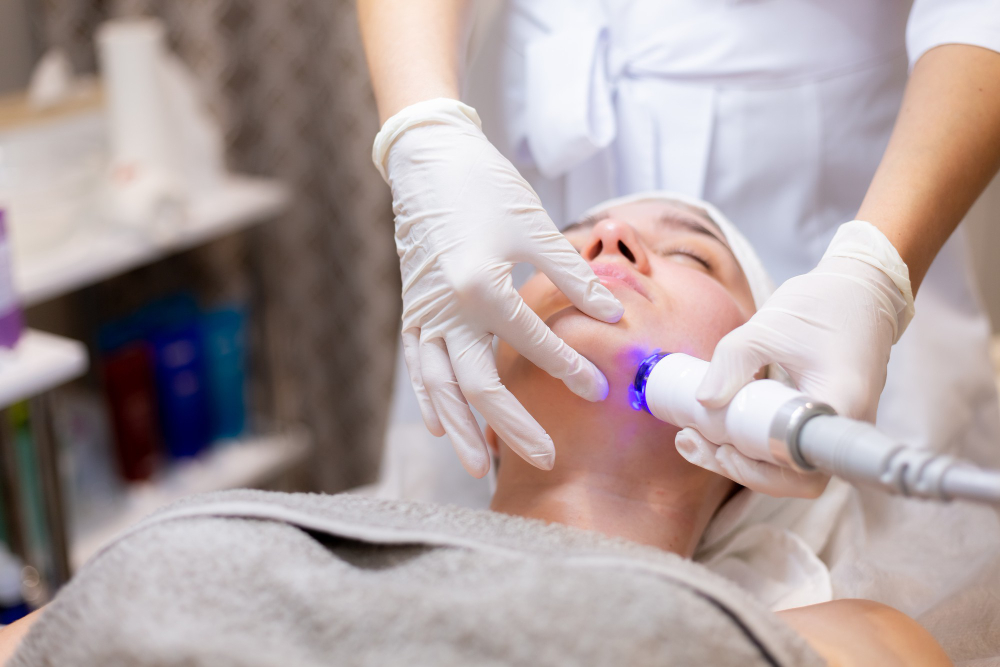
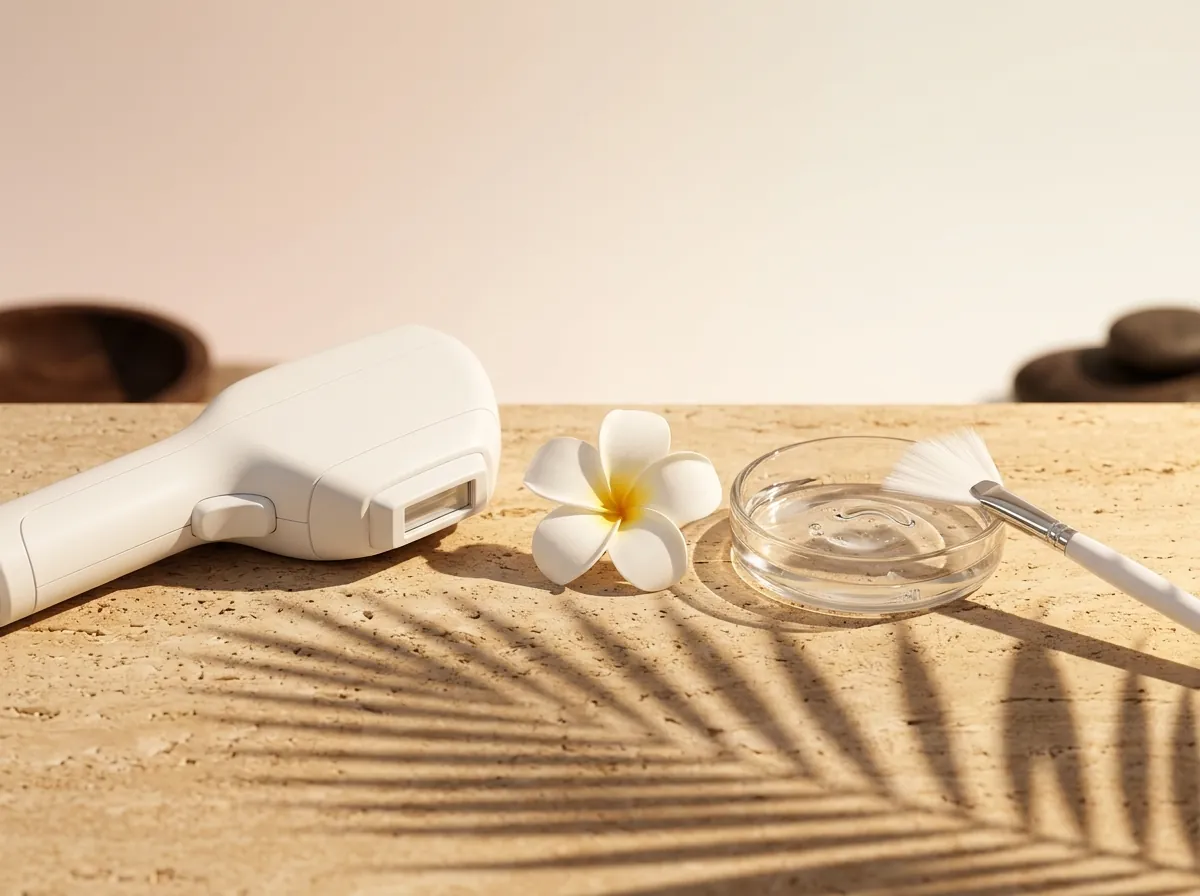
A glass toning laser uses gentle, low-energy pulses of light across the face. The skin absorbs this light, which breaks up scattered pigment and dullness. Your body then clears the fragments over time. As a result, your tone looks clearer and more even.
In addition, the treatment aims for a smooth, luminous finish, often called “glass skin.”
- SessionUsually 20 to 30 minutes
- Feels likeMild warmth or light snapping
- DowntimeLittle to none
- ResultsBuild gradually over a series
Option 02 · Acid
How a chemical peel works
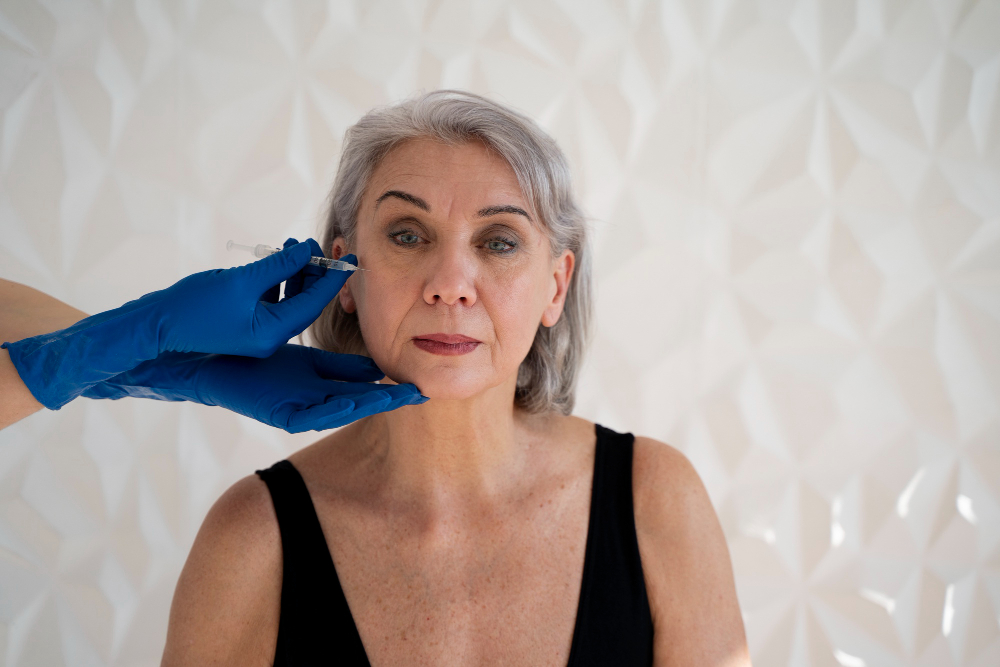
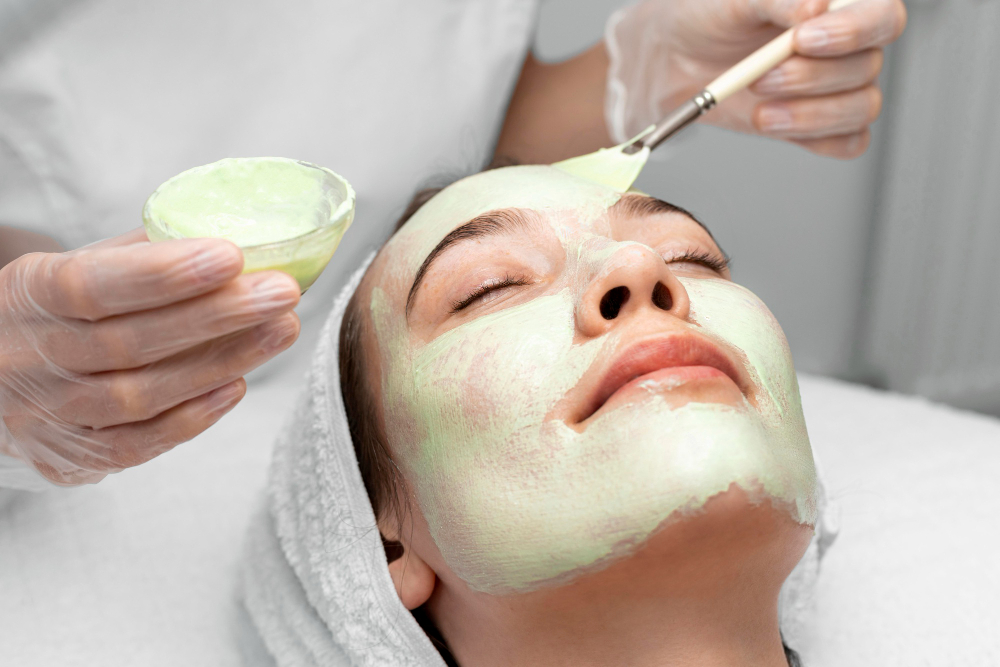
A chemical peel applies a controlled acid solution to the skin. The acid loosens dead cells and speeds up renewal. Fresh skin then replaces the dull top layer over several days. Moreover, peels refine texture and help unclog pores, so they also suit acne-prone skin.
Doctors choose the acid and its strength for your skin. Gentle peels cause little flaking, while stronger peels cause more.
- Feels likeTingling or mild stinging
- Works onTexture, pores and dullness
- DowntimeNone to several days of flaking
- ResultsVisible once peeling settles
Recovery
Downtime and comfort compared
Comfort feels similar for both, and neither needs a long recovery. However, the first few days look quite different.
After a glass toning laser
- Your skin may look slightly pink for a few hours.
- You can usually return to normal life right away.
- Daily sunscreen protects the result from the strong Bali sun.
After a chemical peel
- A gentle peel causes light flaking for a few days.
- In contrast, a stronger peel causes visible peeling for about a week.
- Never pick flaking skin, because picking can leave marks.
Contact the clinic straight away if you notice blisters, crusting, increasing pain or signs of infection after either treatment.
Your skin type
Which suits sensitive, oily or sun-exposed skin?
Your skin type changes the best choice. Consider these guidelines:
- Sensitive skinA gentle peel or a low-energy laser both work, but your doctor should test your reaction first
- Oily or acne-prone skinA chemical peel often helps more, since it clears pores and controls oil
- Sun-exposed skinA laser targets pigment well, but sun protection matters just as much
- Recently tanned skinWait for the tan to fade before either treatment
Furthermore, tanned skin reacts more strongly and risks dark marks afterward. For this reason, plan your treatment after your tan has faded.
Your skin plan
Can you combine a glass toning laser and a chemical peel?
Yes, in many cases. The two treatments solve different problems, so doctors often place them in one plan. For example, a peel refines texture, while the laser evens out tone.
Your doctor spaces them apart, usually by a few weeks, so your skin can recover. Some patients also add a regular facial treatment between sessions for hydration. Still, treating the skin too often causes irritation, so follow your doctor’s schedule.
Safety first
Why a doctor’s consultation comes first
Everyone benefits from a skin assessment, but some people need it most. Tell your doctor if any of these apply:
- Melasma or very sensitive skin.
- A recent tan or a history of dark marks.
- Pregnancy or cold sores.
- Medications that make skin sensitive to light.
A trusted doctor at an aesthetic clinic Canggu will examine your skin, explain the risks and recommend the right plan. In addition, an honest doctor tells you when another option suits you better.
Medically reviewed by Dr. Connie Calista Tham, Head Doctor at Aeconic Aesthetic Clinic in Berawa, Canggu.
This article offers general information and does not replace a personal consultation. Ultimately, the right treatment and its timing depend on your skin and medical history.
Book a consultation
Not sure which one your skin needs?
First, send us a photo of your skin and tell us what bothers you most. Then Dr. Connie Calista Tham will assess your skin in person and recommend a laser, a peel or a plan that combines both.
Jl. Subak Sari No. 30a, Tibubeneng, Berawa, Canggu · Monday to Saturday, 10:00 to 17:00 · +62 811 2503 3440
Questions
Glass toning laser vs chemical peel: frequently asked questions
Which is better for dull skin, a glass toning laser or a chemical peel?
Neither wins in every case. A peel suits dull skin with rough texture, while a laser suits uneven tone. Consequently, your doctor chooses based on your skin type and goals.
How long do the results last?
Results last longer with good sun protection and a steady skincare routine. Your skin keeps renewing itself, so many patients return for maintenance sessions. Your doctor will suggest the right timing.
Is a glass toning laser safe for sensitive skin?
Doctors often use low-energy settings for sensitive skin. Nevertheless, a patch test and a consultation come first. As a result, your doctor can adjust the plan to protect your skin.
Are these treatments safe for darker or Asian skin tones?
Yes, with careful settings and the right acid. Darker skin tones carry a higher risk of dark marks after irritation, so doctors often choose gentler options and may test a small area first. In addition, strict sun protection matters even more.
How many sessions will I need?
A glass toning laser usually works as a series, spaced a few weeks apart. A peel, on the other hand, may need only one session or a short series. Your doctor sets the exact number after assessing your skin.
Can I have either treatment while on holiday in Bali?
Often, yes. A glass toning laser or a gentle peel fits easily into a trip, as long as you can stay out of strong sun for a few days. However, plan a stronger peel only when you can skip beach days for about a week.