
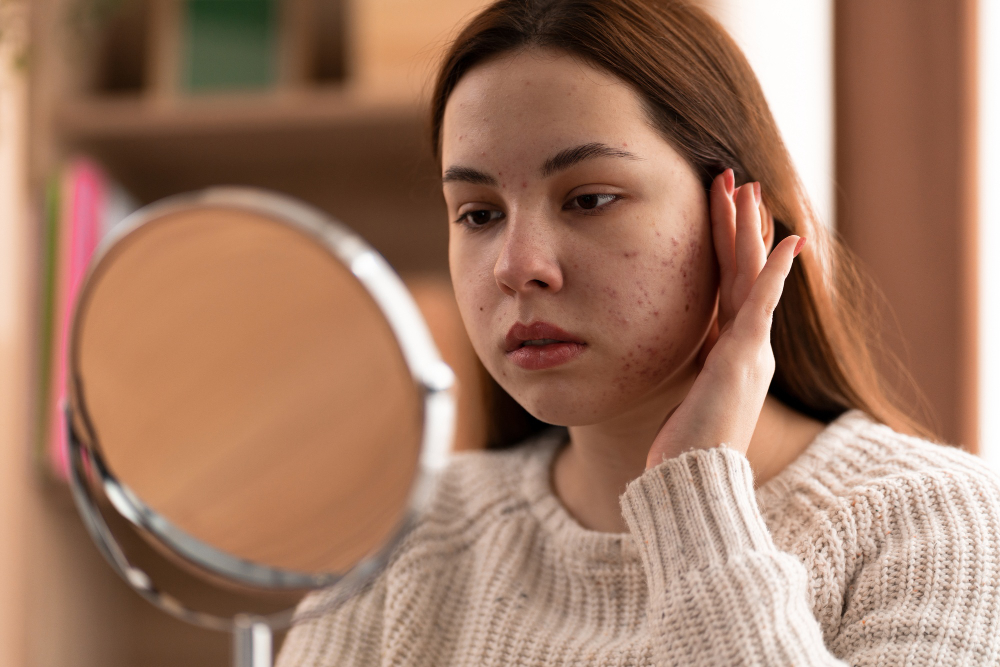
You booked a peel or a laser session to improve your skin. A few days later, however, it looks red, flaky and maybe even spotty. Before you panic, know this: skin purging after treatment is common, and in most cases it means the treatment is working. This guide explains the “ugly phase”, separates normal reactions from warning signs, and shows how to protect your skin while it heals.

Key takeaways
- Redness, flaking and small breakouts are normal and usually settle within days to a few weeks.
- Blisters, oozing, spreading redness, pus or fever are warning signs that need a doctor.
- Gentle care and daily sunscreen protect your skin while it heals.
At a glance
Skin purging after treatment: normal reactions vs warning signs
Most post-treatment reactions look worse than they are. The table below helps you tell a normal reaction from one that needs attention.
| Reaction | Normal? | Typical duration | What to do |
|---|---|---|---|
| Redness and warmth | Yes | Hours to 3 days | Cool water, gentle moisturizer |
| Tightness and dryness | Yes | 2 to 5 days | Hydrate, pause strong actives |
| Flaking or peeling | Yes | 3 to 7 days | Let it shed, never pick |
| Small breakouts (purging) | Yes | Usually 2 to 4 weeks | Keep your routine simple |
| Spots darkening before they flake (after laser) | Yes | 1 to 2 weeks | Sunscreen, no picking |
| Blisters, crusting or oozing | No | Not expected | Contact your doctor the same day |
| Increasing pain, pus or fever | No | Not expected | Contact your doctor the same day |
| New dark patches weeks later | No | Not expected | Book a review |
Swipe sideways to see the full table.
Timings vary with the treatment strength and your skin type, so always follow your doctor’s specific advice.
The science
Why skin looks worse before it gets better
Active treatments speed up how fast your skin renews itself. As a result, three things happen at once. First, congestion under the surface rises faster, which causes purging. Next, the old outer layer loosens and sheds, which causes flaking. Finally, heat or acid triggers short-term inflammation, which shows up as redness.
In other words, your skin is clearing out the old to make room for the new. That process rarely looks pretty, yet it usually leads to clearer, smoother skin.
Know the difference
Purging vs breakouts: how to tell the difference
Purging and a true breakout can look alike, but a few clues help you spot which one you have:
- PurgingAppears where you usually break out, as small spots that clear quickly
- Irritation breakoutAppears in new areas, often with itching, and keeps going
- Purging timelineSettles within about four weeks
- Breakout timelineLasts beyond six weeks or gets worse
If spots keep spreading or last longer than six weeks, a product or treatment may not suit your skin. In that case, ask your doctor to review your routine.
Phase by phase
How long each phase of skin purging after treatment lasts
- Days 1 to 3: redness, warmth and tightness peak, then begin to calm.
- Days 3 to 7: flaking starts, especially around the nose and mouth.
- Weeks 2 to 4: any purging spots surface and then clear.
- Weeks 4 to 6: fresher, smoother skin shows through.
Gentle treatments may skip some stages entirely. By contrast, a stronger peeling treatment can bring visible flaking for up to a week, so plan it around your social calendar.
Aftercare
How to protect your skin while it heals
Good aftercare shortens the ugly phase and lowers the risk of marks. Therefore, keep your routine simple for the first one to two weeks.
Do
- Use a gentle cleanser and a simple, hydrating moisturizer.
- Apply sunscreen (SPF 30 or higher) every morning and reapply outdoors.
- Wear a hat and stay in the shade, especially under the Bali sun.
Avoid
- Picking, peeling or squeezing anything.
- Scrubs, retinoids and strong acids until your doctor approves.
- Saunas, hot yoga and swimming pools for a few days.
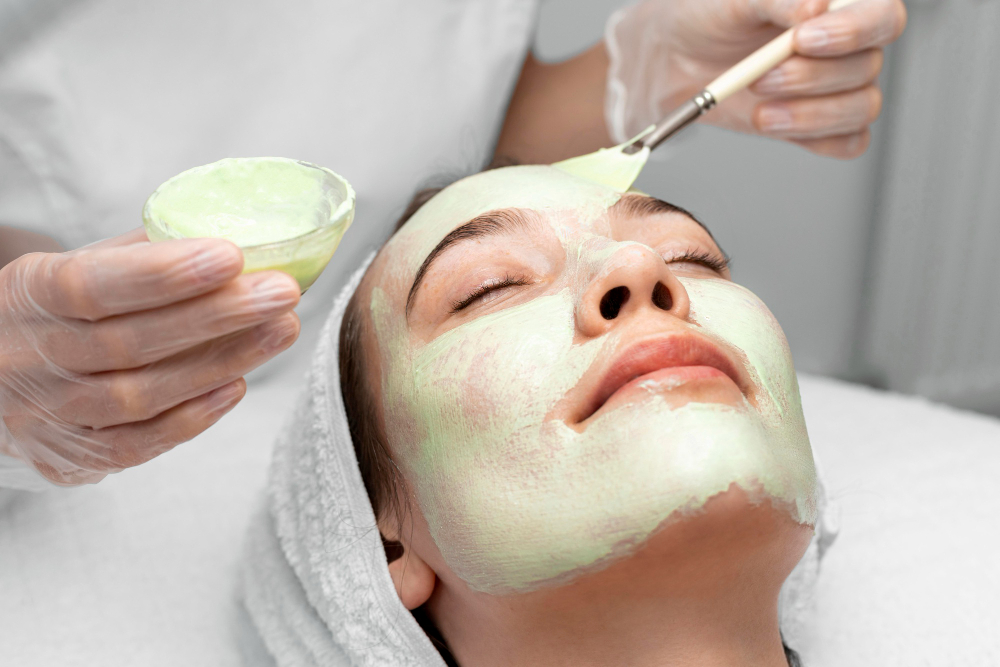
Once your skin has healed, gentle face treatments can restore hydration and keep the results fresh between sessions.
Contact the clinic straight away if you notice blisters, oozing, spreading redness, pus, fever or pain that gets worse instead of better.
Safety first
When to see a doctor
Most reactions settle on their own. However, some signs need a professional check:
- Redness or swelling that spreads after day three.
- Crusting, oozing or yellow discharge.
- Dark patches that appear weeks after treatment.
- Breakouts that last longer than six weeks.
An experienced doctor at an aesthetic clinic Canggu team can tell a normal reaction from a problem quickly, and early care prevents lasting marks.
Medically reviewed by Dr. Connie Calista Tham, Head Doctor at Aeconic Aesthetic Clinic in Berawa, Canggu.
This article offers general information and does not replace a personal consultation.
Need a check?
Not sure if your reaction is normal?
First, send us a photo of your skin on WhatsApp. Then Dr. Connie Calista Tham will review it and tell you whether it needs care or simply time.
Jl. Subak Sari No. 30a, Tibubeneng, Berawa, Canggu · Monday to Saturday, 10:00 to 17:00 · +62 811 2503 3440
Questions
Skin purging after treatment: frequently asked questions
Is skin purging after treatment a good sign?
Often, yes. Purging shows that your skin is renewing faster and pushing out congestion. Still, it should stay mild and clear within about four weeks.
Should I stop my treatment if my skin purges?
Not without advice. Mild purging usually passes, so stopping early can waste the progress you made. Instead, ask your doctor, who may adjust the strength or the timing.
Can I wear makeup while my skin is peeling?
Wait at least 24 hours after treatment. After that, choose light mineral products and remove them gently. Heavy foundation, on the other hand, can clog pores and make flaking more visible.